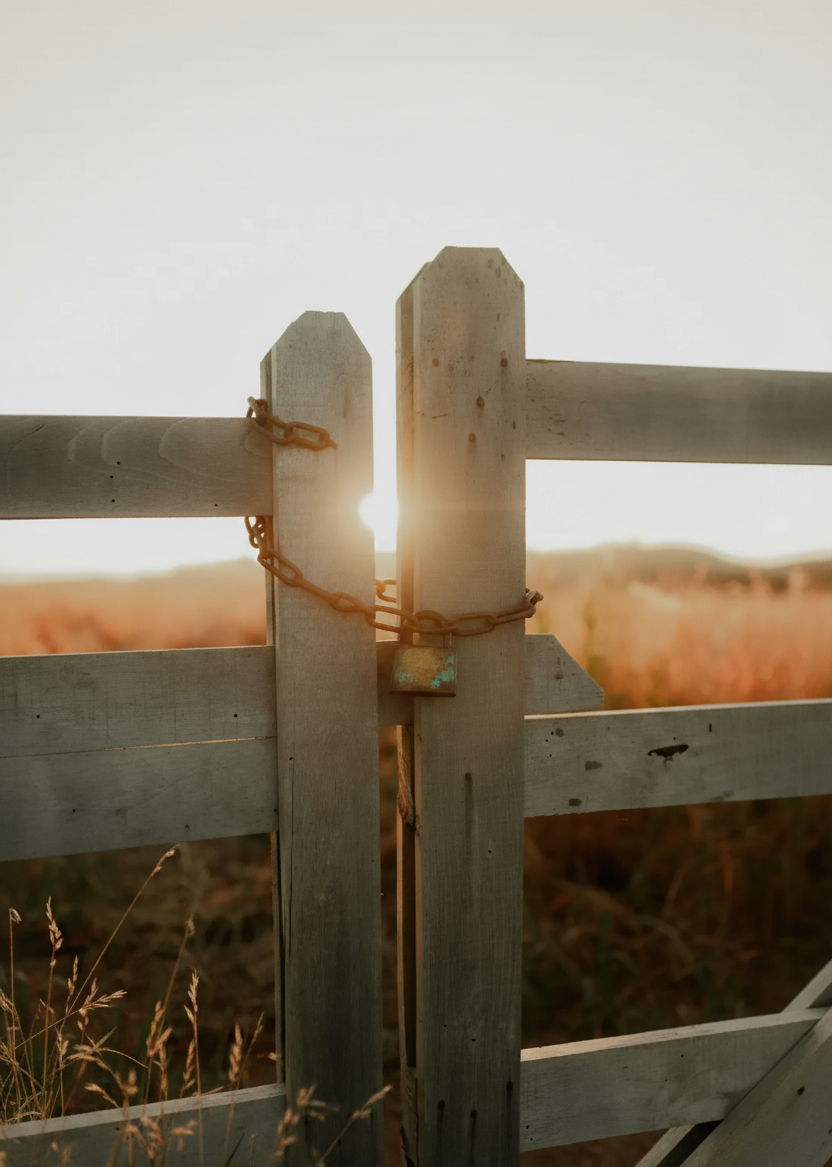
The quiet power of knowing where you end and others begin.
Nature of Boundaries
Normally, the word boundaries feels heavy to many people. It sounds rigid, defensive, and unkind. When we think of boundaries, we imagine building walls, creating distance, and ending our connections. But boundaries are not walls. As humans, we naturally desire harmony and a sense of belonging, which is why we often hesitate to set boundaries at all.
In reality, boundaries were never meant to isolate ourselves. They are set to clarify for us.
A boundary is not a declaration of rejection but an expression of truth.
It says:
This is where I end, and this is where you begin.
Without the above mentioned clarity, relationships do not grow, and needs are left unspoken. This results in silent resentment. And slowly, we lose touch with ourselves.
Why We Fear Setting Boundaries
Usually, the fear around boundaries does not come from the act itself but from believing what these boundaries will cost us.
These fears are:
- Being misunderstood.
- Disappointing people we care about.
- Seen as difficult, selfish, or cold.
For many of us, we take love only as conditional. We unintentionally learned that we are accepted if we are flexible, available, or adjust ourselves for others. These factors make boundaries dangerous and threaten our connections.
But none of us tries to realize that the absence of boundaries does not create closeness but builds confusion.
When we consistently override our limits, people do not feel closer to us. They simply become accustomed to our self-abandonment.
Cost of Living Without Boundaries
When we do not set boundaries and live without necessary boundaries, we may not feel the collapse dramatically or instantly. Rather, it will eat away at our inner selves quietly and slowly.
Because with time, you may face:
- Exhaustion you cannot explain.
- Irritation toward people.
- Feeling of being taken for granted.
When boundaries are absent, expectations grow unchecked, which gives the assumption that your time, your energy, or your emotional labor is easily accessible. And then, it feels unfair to blame anyone else because you never clarified your limits.
But, in reality, when you are willing to honor yourself, then others will also respect your boundaries. Without clarity, you will grow resentment that slowly poisons the connection.
A Form of Self-Respect
In reality, boundaries are not about controlling others. They are about protecting your inner space.
They always try to guard:
- How deeply you value your time.
- How seriously you take your emotional well-being.
- How honestly do you listen to your inner wisdom?
“Daring to set boundaries is about having the courage to love ourselves, even when we risk disappointing others.” — Brené Brown.
Self-respect does not always look bold. Sometimes it may be like a restraint. Sometimes, you have to choose not to explain or say no without hostility or walk away from what repeatedly drains you.
The Difference Between Walls and Boundaries
Walls are built from fear, but we built boundaries from awareness.
Because:
A wall says, do not come close.
But a boundary says, come close, but with respect.
At its very core, walls shut people out indiscriminately. However, boundaries allow connection with honor to both sides. When you confuse boundaries with walls, you deprive yourself of healthy associations.
Healthy boundaries deepen relationships because they reduce tension and allow people to engage with you honestly. It will not allow people to navigate invisible expectations. This clarity offers safety.
Why Clear Boundaries Feel Uncomfortable at First
At first, you may feel that setting boundaries is uncomfortable because clarity disrupts your habits or patterns. Moreover, people who benefited from your lack of boundaries may resist them. And change, even its healthy for you, can feel threatening.
So, because of this change, you may:
- Feel guilt.
- Feel anxious.
- Question yourself.
But remember, this discomfort is not a sign that your boundary is incorrect. But it is showing that you are breaking an old agreement or pattern, and something meaningful is unfolding.
When you learn to tolerate this discomfort, your emotional maturity begins.
Boundaries Teach Others How to Treat You
One of the most empowering truths about boundaries is that they are educational.
They teach people:
What behavior is acceptable?
How much access do they have to you?
What you will carry emotionally.
Without boundaries, people fill your void with their own needs and assumptions. But when there are boundaries, expectations become visible and can be sorted out.
This is not about controlling outcomes but about removing ambiguity.
And ambiguity is where most emotional harm begins.
Boundaries and Inner Wisdom
Your inner wisdom often speaks first through discomfort. You will feel this like:
- Tightness in your chest.
- Sudden exhaustion.
The resistance you try to ignore.
These are not inconveniences but signals. When you ignore them, you will disconnect from yourself. But facing them will give you strength and self-trust.
Every boundary you set supports the message that your inner voice is reliable. And that trust compounds over time.
Boundaries Do Not Require Explanation
One of the biggest mistakes people make is believing that boundaries must be justified, but in reality, they do not need any.
Remember, you do not owe an explanation for protecting your peace. So when you overexplain things, it weakens boundaries because it invites debate. So try to avoid it, as clarity does not need defense.
A simple statement is enough to keep you guarded, just like:
- That does not work for me.
- I am not available.
- I need some space.
Silence, when needed, is also a boundary.
When Boundaries Reveal the Truth About Relationships
Boundaries have a revealing nature. They clarify not only you but also others.
So, you should focus:
- Some people will respect your boundaries immediately.
- Some will need time to adjust.
- Some will push back.
So, every kind of response is information. People who value you will value your clarity. But those who only valued your compliance will resist it. This realization is a lesson but also a liberation. The lesson is to understand that boundaries do not ruin relationships but reveal which ones are real and sustainable.
Learning to Hold Compassion Without Self-Betrayal
A common fear is that boundaries will make us less compassionate. However, compassion without boundaries turns into self-neglect.
Because:
- You can be understanding without being available.
- You can be kind without being consumed.
- You can care without carrying everything.
- True compassion includes yourself. And when you stand in clarity, soften you.
An Ongoing Practice
Boundaries are not a one-time declaration, as they evolve when you evolve. What once felt acceptable may no longer align, or what once required explanation may now require silence. In every situation, this growth brings new clarity.
There will be moments when you set boundaries imperfectly or when you hesitate. And the moments when you reflect and adjust. So keep in mind that this is not failure awareness.
“Clarity is not cruel. It is honest.”
Each time you choose clarity over comfort, you strengthen your relationship with yourself.
A Peaceful Life
When boundaries are present, life feels lighter.
Because:
- You stop carrying what was never yours.
- You stop resenting.
- You stop negotiating.
Clarity creates calm and space for genuine connection, which is rooted in choice.
Boundaries are not walls that separate you from the world. They are edges that allow you to meet the world without losing yourself.
If you struggle with boundaries, ask yourself now:
“Am I unclear with others or with myself?”
The answer is not judgement but awareness of the reality.
you can read this article on Inner Wisdom
Other related articles:
7 Rules for Protecting Your Energy
What I Learned When I Finally Slowed Down
11 Hidden Reasons – Why Your Mind Feels Heavy Even When Life Is Fine
Frequently Asked Questions (FAQs)
What are healthy boundaries in relationships?
Healthy boundaries are clear limits that define what is acceptable and respectful in a relationship. They help both individuals understand emotional, physical, and mental limits without creating distance or disconnection.
Why is setting boundaries important?
Setting boundaries protects your time, energy, and emotional well-being. Without boundaries, resentment, exhaustion, and confusion often grow in relationships.
Are boundaries the same as emotional walls?
No. Boundaries create clarity and allow respectful connection, while emotional walls are built from fear and shut people out completely.
Why do I feel guilty when setting boundaries?
Guilt often appears because you may be breaking old patterns of people-pleasing or over-accommodating. Feeling uncomfortable does not mean your boundary is wrong — it means change is happening.
How can I set boundaries without hurting others?
You can set boundaries calmly and clearly without hostility. Simple statements like “That doesn’t work for me” or “I need some space” communicate limits respectfully while maintaining compassion.