Channeling is the practice of quieting the conscious mind enough to receive and express information, insight, or energy that feels like it originates beyond one’s everyday thinking. People describe the source of that information differently: a spirit guide, an angel, a higher self, or simply a deeper layer of their own awareness. What almost every account agrees on is the mechanism, not the metaphysics: a shift from mental effort to mental receptivity.
That shift is the whole story, and also the hardest part to explain, because it happens in a space that doesn’t announce itself with fireworks. It’s quiet. It’s often described as more like remembering than inventing. And it shows up in far more places than most people expect.
What Is Channeling, really?
At its simplest, channeling means acting as a conduit. Instead of generating an idea through deliberate thought, a person allows an idea, image, phrase, or feeling to arrive, and then gives it form through speech, writing, art, or movement. The word itself borrows from plumbing and electricity for a reason: something is meant to pass through the channeler rather than be manufactured by them.

This is where the meaning of channeled work gets interesting. In spiritual traditions, the source is often framed as external: a guide, an ancestor, a collective field of consciousness. In psychological terms, the same experience is often framed as internal: the surfacing of intuition, subconscious processing, or pattern recognition that hasn’t yet been translated into logical language. Both framings describe the same lived event. They just locate its origin differently, and neither can be proven or disproven with current tools. A fair article on this topic has to hold both possibilities at once rather than picking a winner.
It’s also worth separating channeling from mediumship, since the two get used interchangeably. Mediumship specifically involves communicating with the deceased. Channeling is broader. It can involve spirit guides, a higher self, universal consciousness, or no defined “other” at all, just an unusually open state of mind.
How Channeling Works, Step by Step
However someone frames the source, the practical mechanics tend to follow a recognizable arc.
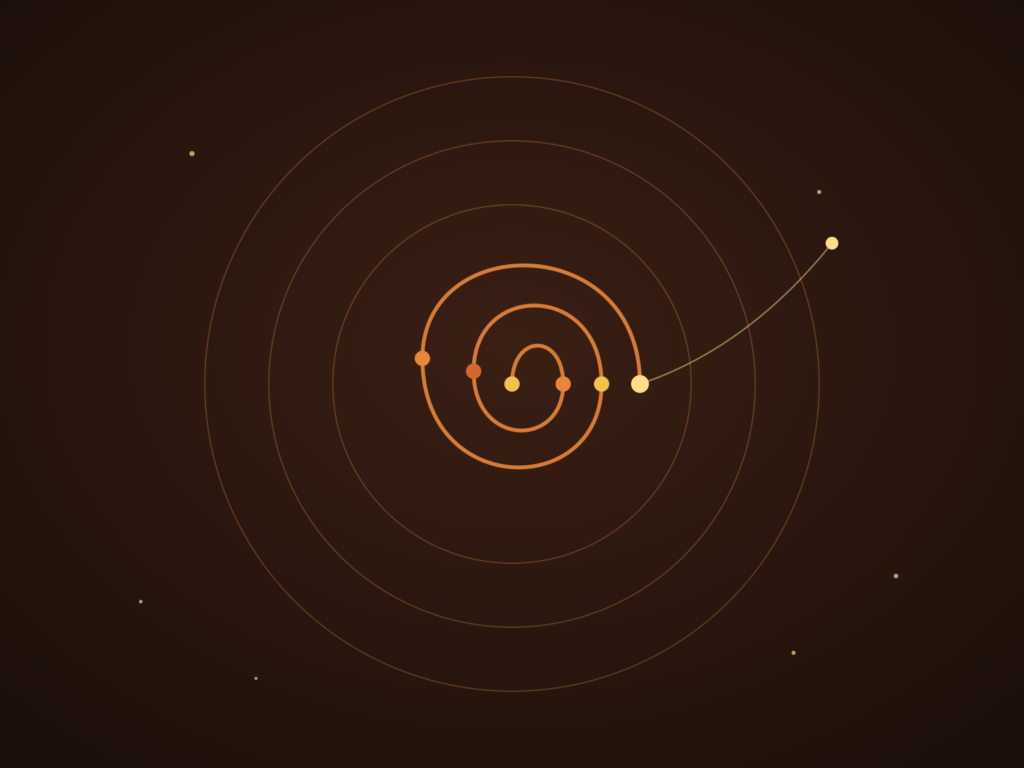
1. Preparation.
The person slows down, usually through breathwork, meditation, or simply sitting in silence. This isn’t optional flourish; it’s the part that actually does the work, because a busy nervous system rarely produces the kind of stillness channeling requires.
2. A shift in awareness.
Brain and body settle into a state that isn’t sleep but isn’t ordinary waking alertness either. Many practitioners compare it to the drowsy, associative feeling right before falling asleep, sometimes called the hypnagogic state.
3. Setting an intention.
Most traditions treat this step as essential. Rather than leaving the mind open to anything, the person directs attention toward a specific guide, question, or theme.
4. Receiving.
Words, images, phrases, or physical sensations begin to surface. Practitioners consistently describe this part as involuntary. It doesn’t feel composed; it feels noticed.
5. Expression.
The material gets released through speech, handwriting, typing, painting, or movement, often without the usual internal editor weighing in.
6. Integration.
After the session ends, the person reviews what came through and decides what’s useful, what needs more reflection, and what to set aside.
From a technical standpoint, this pattern overlaps closely with well-studied states like meditative absorption, hypnagogia, and creative flow. Researchers who study flow states, most notably psychologist Mihaly Csikszentmihalyi, have documented how a quieted, focused mind can produce output that feels like it’s arriving from somewhere outside conscious control, even when there’s no spiritual framing involved at all. That overlap doesn’t settle the metaphysical question of where channeled information originates. It does explain why the process of channeling looks so consistent across cultures and belief systems.
Main Types of Channeling
Channeling isn’t a single technique. It shows up in several recognizable forms, and most people who explore it eventually find one or two that fit them naturally.
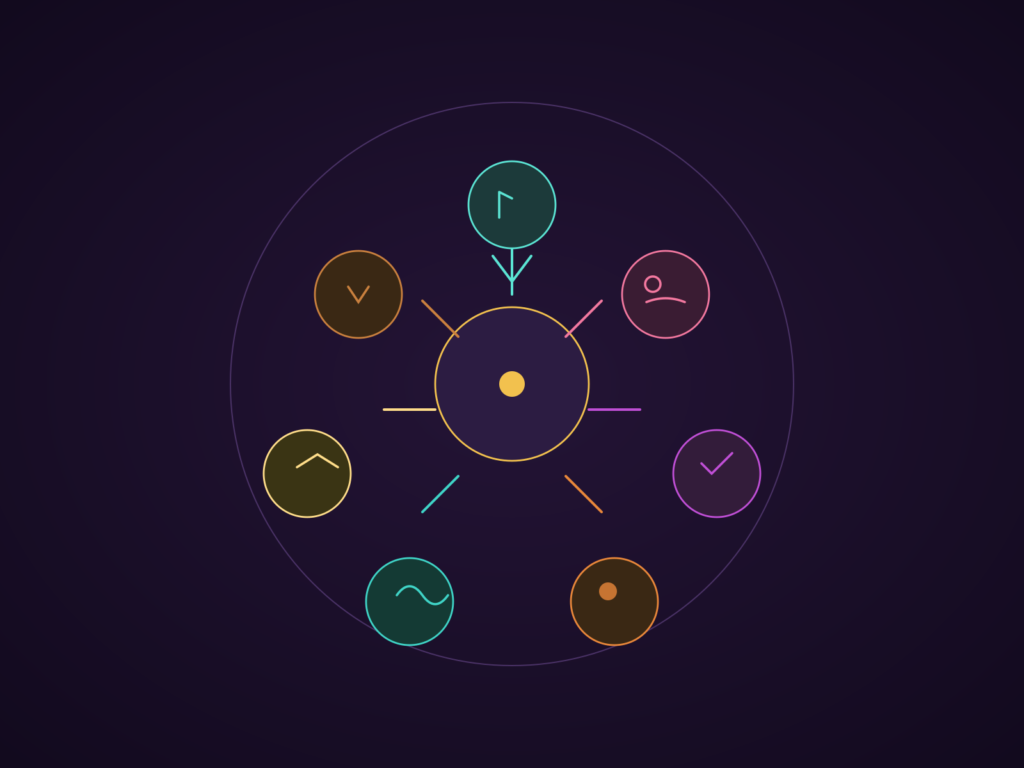
- Trance channeling. A deep, absorbed state in which the person speaks with minimal conscious editing, sometimes with a noticeable shift in tone, pacing, or vocabulary.
- Automatic writing. Words appear on the page without being deliberately planned in advance. Many people find this the easiest entry point because there’s no audience and no pressure to perform.
- Conscious (or intuitive) channeling. The person stays fully aware while receiving impressions, often experienced as a sudden, clear “knowing” rather than a slow thought process. This overlaps with what some describe as claircognizance.
- Inspired speaking. Ideas flow spontaneously while talking, common among teachers, coaches, and public speakers who describe “not knowing” what they were going to say until it was already out.
- Energy channeling. Associated with practices like Reiki, where the practitioner acts as a conduit for subtle energy rather than verbal information.
- Creative flow. Musicians, writers, and visual artists frequently describe a version of channeling in which a piece feels like it arrived rather than was built, even without any spiritual language attached to the experience.
That last category matters, because it shows channeling isn’t confined to séance rooms or spiritual retreats. A novelist who says a character “wrote themselves” and a meditator who says a guide spoke through them are, mechanically, describing a similar shift in how the mind is operating.
What Science, Psychology, and Tradition Each Say
Any honest look at channeling has to hold three perspectives side by side, because they don’t fully agree, and pretending they do would be dishonest.

The traditional and spiritual view treats channeling as genuine communication with a non-physical source, whether that’s a spirit guide, an ancestor, an angelic presence, or a higher aspect of the self. This view has deep roots across cultures, from shamanic traditions to modern New Age practice, and it’s typically supported through personal, experiential accounts rather than external verification.
The psychological view looks at channeling through the lens of the subconscious. Ideas that feel foreign or external may actually be the mind’s own material, processed below conscious awareness and then surfacing in a way that feels like it came from elsewhere. This is consistent with how memory, intuition, and creative insight are known to work; a great deal of mental processing happens without conscious access, which is part of why sudden insight can feel like it arrived from outside.
The parapsychological research view sits in between. A small body of academic research has examined channeled and mediumistic communication for patterns, consistency, and information that couldn’t plausibly be known through ordinary means. Results have been mixed and are not considered conclusive by mainstream science, and most researchers in this space are careful to say that anecdote and controlled evidence are not the same thing.
None of these three views cancels out the others. What they share is agreement that something measurable does happen: an altered, receptive mental state that produces material the person experiences as coming from beyond their usual thinking. Where that material actually originates remains an open question, and readers deserve to know that honestly rather than being handed a tidy answer that oversells the certainty either way.
How to Practice Channeling
For anyone curious about trying it, channeling is less about performing a ritual correctly and more about creating the right internal conditions. A few things tend to matter most.
Start with stillness, not with a script.
A short meditation or a few minutes of slow breathing does more to prepare the mind than any technique that comes after it.
Set a clear intention.
Decide what you’re opening yourself to before you begin, whether that’s guidance on a decision, connection with a guide, or simply space for whatever wants to surface.
Choose a low-pressure format.
Automatic writing is often the gentlest starting point because there’s no audience and no need to perform. Sit with a pen and paper, ask a simple question, and write without pausing to judge what comes out.
Don’t force it.
The instinct to make something happen is usually the biggest obstacle. Channeling tends to work best when effort relaxes rather than intensifies.
Trust the material but stay grounded.
Not everything that arrives in a receptive state needs to be treated as absolute truth. Holding insight loosely, and checking it against your own judgment, is part of doing this responsibly.
Practice in a quiet, distraction-free space.
Consistency matters more than intensity. A few minutes in the same calm setting, repeated regularly, tends to produce more reliable results than one long, forced session.
Is Channeling Safe? Common Misconceptions

The most common concern people raise is safety, and it’s a fair one. For most people, channeling in its gentler forms, intuitive impressions, automatic writing, creative flow, carries no more risk than meditation or quiet reflection. The practice becomes riskier mainly in a few specific situations: when someone uses it to avoid making their own decisions entirely, when it’s paired with untreated dissociation or psychosis, or when a person pushes into intense trance states without guidance or grounding. Anyone with a history of dissociative episodes, psychosis, or a diagnosed mental health condition should approach altered states, including meditation and channeling alike, with a mental health professional’s input rather than experimenting alone.
Another common misconception is that channeling requires special ability or years of training. In its everyday forms, most people have already experienced something close to it, in a burst of creative inspiration, a strong hunch that turned out to be right, or a moment where the “right words” arrived without conscious effort. What formal practice adds is intention and repetition, not a rare gift.
It’s also worth naming a completely unrelated use of the word: in the video game Minecraft, “channeling” refers to an enchantment that directs lightning toward mobs during storms. It has nothing to do with the spiritual or psychological practice described here, but it’s a common enough search that it’s worth a clear line drawn between the two.
Finally, spelling varies by region. “Channeling” is standard in American English, while “channelling” with a double l is common in British and Australian English. Both refer to the same practice.
For daily insights on consciousness, clarity, and trusting yourself, explore Bahlon’s free daily transmissions. Subscribe here to receive them each morning.
Related Readings:
Frequently Asked Questions
How do I know if I’m channeling?
Most people notice it as a felt shift: thoughts or words that arrive faster than usual, feel less “constructed,” or carry a tone slightly different from their normal inner voice. There’s no single test, but a sense of receiving rather than composing is the most commonly reported sign.
What is the purpose of channeling?
People turn to channeling for guidance, emotional clarity, creative inspiration, or a sense of connection to something larger than their everyday thinking. The intended purpose varies by tradition and by individual, from problem-solving to spiritual practice.
Is channeling dangerous?
For most people practicing gentle forms like automatic writing or intuitive listening, it carries minimal risk, similar to meditation. Deeper trance work and existing mental health conditions call for more caution, ideally with guidance from a qualified professional.
What’s the difference between channeling and mediumship?
Mediumship is a specific type of channeling focused on communicating with the deceased. Channeling is the broader category and can involve guides, a higher self, universal consciousness, or simply a deeply intuitive state.
Can anyone learn to channel?
Most traditions treat it as a trainable skill rather than a rare gift, built through regular meditation, a clear intention, and patience with a process that tends to develop gradually rather than all at once.