There are three broad types of psychic abilities explained here: sensory or “Clair” abilities, cognitive and perceptive abilities that reach across time or minds, and energetic abilities involving influence or connection beyond the self. Each category contains several distinct experiences, from seeing symbolic images to sensing another person’s emotions from across a room. While psychic abilities remain unproven by mainstream science, they are widely reported across cultures, spiritual traditions, and personal accounts, and understanding the different types can help someone make sense of experiences they may already be having.
What Are Psychic Abilities?
The term “psychic abilities” covers a wide range of experiences in which a person seems to receive or interpret information without relying on the five recognized senses. Some call it a sixth sense. Others describe it as intuition turned up several notches. In parapsychology, this general category is often labelled extrasensory perception, or ESP, though the everyday language people used to describe it tends to be far less clinical: a hunch that turns out to be right, a dream that predicts something small before it happens, a feeling in a room that can’t quite be explained.
The psychic abilities meaning shifts depending on who you ask. A researcher might frame it as a set of testable claims about perception and cognition. A practicing intuitive might describe it as a skill built over years of practice, like learning an instrument. A skeptic might argue its simply pattern recognition dressed up in mystical language. All three perspectives show up throughout this article, because none of them can be dismissed outright, and the honest answer is that the full picture is still being worked out.
What’s less debated is the structure. Whether or not the abilities themselves hold up to scientific scrutiny, there is a consistent framework, used across spiritual communities and parapsychology literature alike, for organizing the different types of psychic abilities people report.
The Main Types of Psychic Abilities
Most lists of psychic powers and abilities fall into three groups: the sensory “Clair” abilities, the cognitive abilities that stretch across time and minds, and the energetic or interactive abilities that involve some form of influence or contact beyond the individual.
Sensory Abilities: The “Clair” Family
The Clair abilities are named for the French word meaning “clear,” and each one maps loosely onto one of the physical senses.
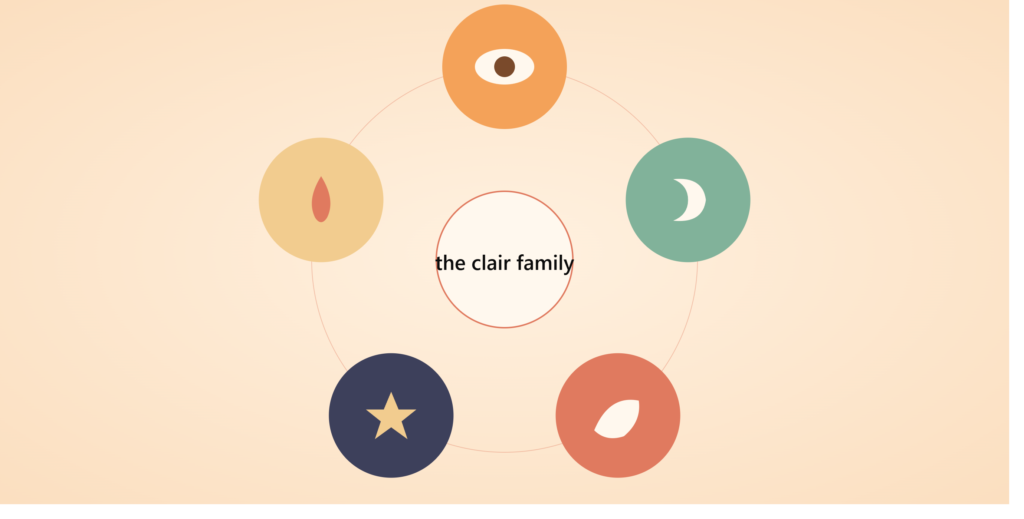
- Clairvoyance (“clear seeing”) is the intuitive reception of visual impressions, mental images, or symbols. People who describe this ability often say they “see” information rather than hear or feel it, sometimes as fleeting images, sometimes as a fuller scene playing out in the mind’s eye.
- Clairaudience (“clear hearing”) involves perceiving sounds, words, or inner voices that don’t originate from an external source. This can range from a single clear phrase to something closer to music or tone.
- Clairsentience (“clear feeling”) is the ability to sense emotions, physical sensations, or energy coming from another person or a specific place. It’s frequently linked to empathy, and many people who describe strong clairsentient experiences also describe themselves as highly sensitive to the moods of people around them.
- Claircognizance (“clear knowing”) is a sudden, unexplained certainty about something, without any traceable reasoning behind it. It tends to feel less like a sensation and more like a fact simply arriving.
- Clairgustance (“clear tasting”) and clairalience (“clear smelling”) are less commonly discussed but appear in personal accounts as tasting or smelling something with no physical source, often tied to memory or symbolic meaning.
Cognitive and Perceptive Abilities
This group involves accessing information that isn’t tied to the present moment or to the person’s own mind.
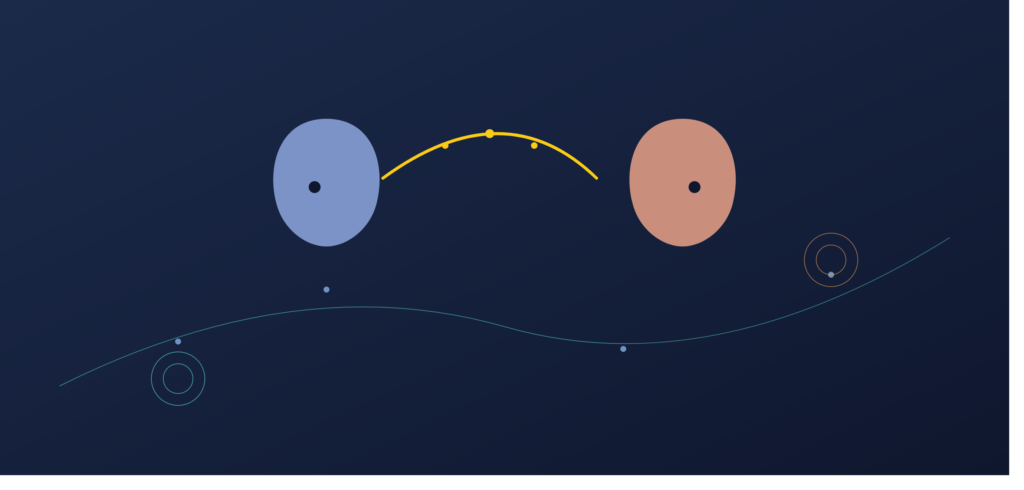
- Telepathy is the direct exchange of thoughts or feelings between two people, without spoken or written communication.
- Precognition is an awareness of a future event before it occurs, often reported as a dream, flash, or persistent feeling.
- Retrocognition works in the opposite direction: gaining knowledge of a past event the person did not personally witness or learn about through ordinary means.
- Psychometry is the practice of receiving impressions about an object, or its history, through touch.
Energetic and Interaction-Based Abilities
The third category involves some form of influence, connection, or communication that extends beyond ordinary perception.
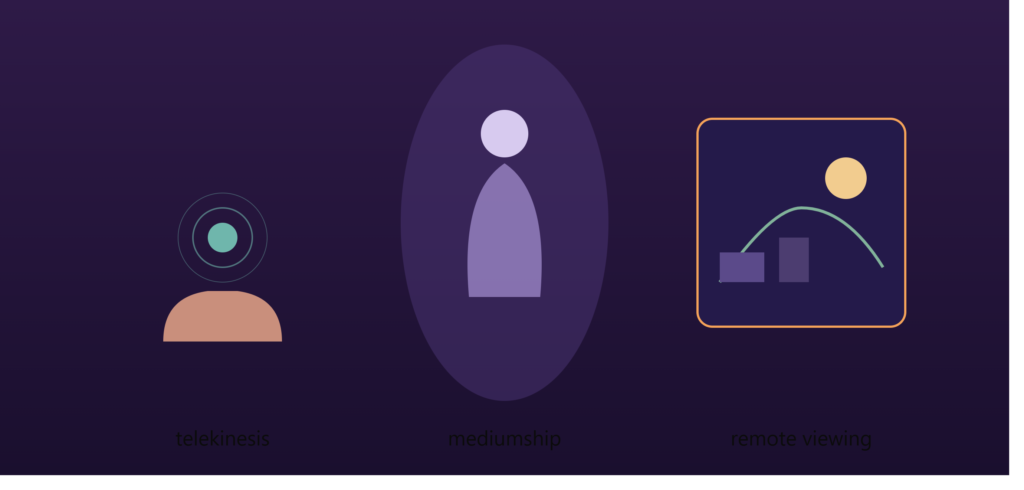
- Telekinesis, sometimes called psychokinesis, refers to influencing or moving physical objects using the mind alone. Of all the abilities on this list, it is the one with the least support in controlled research.
- Mediumship and channeling describe communication with non-physical entities or consciousness, often associated with connecting to those who have passed.
- Remote viewing is the perception of a distant or unseen location without being physically present there. This is one of the few areas that received formal government-funded research, discussed further below.
Different types of psychic mediums often specialize in a mix of these abilities rather than a single one. A medium doing readings, for instance, might rely heavily on clairaudience and claircognizance simultaneously, receiving both a sense of a message and a feeling of certainty about its meaning.
How These Abilities Are Said to Work
There’s no agreed-upon mechanism, but a few explanations recur across traditions and modern intuitive practice.
The most common framework describes psychic perception as a form of heightened sensitivity to subtle information that the conscious mind usually filters out. In this view, everyone is picking up on more than they consciously register, whether that’s a person’s body language, tone shifts, or environmental cues, and psychic ability is less about receiving supernatural signals and more about the brain letting more of that information through than usual.
A second framework, more common in spiritual and energy-based traditions, treats psychic ability as a kind of channel or connection to something outside the individual, whether that’s described as universal consciousness, spirit guides, or the collective unconscious. In this model, developing psychic ability isn’t about heightening ordinary perception so much as opening or strengthening a channel that already exists in everyone to varying degrees.
A third, more skeptical framework treats reported psychic experiences as a mix of confirmation bias, cold reading, coincidence, and the brain’s tendency to find patterns even where none exist. This explanation doesn’t require anything paranormal at all, and it accounts for a meaningful share of what gets labelled as psychic experience, particularly in casual or unverified settings.
None of these three frameworks fully explains every reported case, and most serious researchers and practitioners acknowledge that the honest answer is somewhere in the overlap.
Evidence and Perspectives
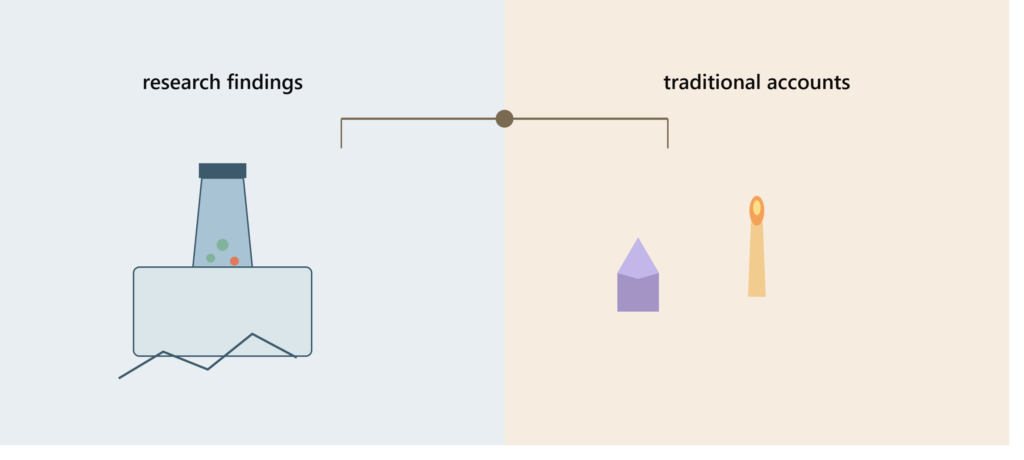
Scientific research into psychic abilities has a long, complicated history. The most well-documented example is the U.S. government’s Stargate Project, a program that ran from the 1970s into the 1990s and studied remote viewing for potential intelligence use. The project was eventually shut down, and a CIA-commissioned review concluded that while some individual sessions produced results that were difficult to explain through chance alone, the overall evidence wasn’t strong or consistent enough to justify continued funding or operational use.
Academic parapsychology, largely centered in labs studying ESP through card-guessing and random-number-generator experiments, has produced a mixed and contested body of results. Some meta-analyses report statistically significant effects slightly above chance; critics argue these results are better explained by methodological flaws, selective reporting, or statistical noise than by genuine psychic ability. As of now, no psychic claim has been reliably replicated under strict, independent, controlled conditions in a way that satisfies the broader scientific community. That remains the honest scientific consensus.
At the same time, personal and traditional accounts of psychic experience are enormous in volume and span nearly every culture and era, from indigenous shamanic traditions to contemporary intuitive coaching. Practitioners often describe psychic ability less as a fixed talent and more as a skill, something built through practice, quiet attention, and trust in subtle impressions rather than sudden dramatic revelation. Whether or not this constitutes scientific evidence, it represents a consistent thread of lived experience that deserves to be taken seriously on its own terms, even where it can’t be independently verified.
How to Tell If You Have Psychic Abilities
People asking how to tell if you have psychic abilities are often looking for something dramatic, but most accounts describe something far quieter. Common early signs include:
- Strong gut instincts that turn out to be accurate more often than seems explainable by chance
- Vivid or recurring dreams that seem to preview real events
- A tendency to sense someone’s mood or intentions before they say anything
- Sudden knowledge or certainty about something with no clear source
- Feeling drained or overwhelmed in crowded or emotionally charged spaces
None of these signs confirm psychic ability on their own, since they overlap heavily with ordinary sensitivity, empathy, and pattern recognition. A psychic abilities test, whether an informal online quiz or a more structured self-assessment, can offer a starting point for reflection, but it should be treated as a tool for self-inquiry rather than a definitive diagnosis.
How to Develop Psychic Abilities
For those specifically interested in how to develop psychic abilities, most practitioners point to a fairly consistent set of practices, even if the underlying explanation for why they work varies.

Meditation is the most commonly recommended starting point. Meditation and psychic abilities are frequently discussed together because a quieter, less reactive mind is thought to make subtle impressions easier to notice, regardless of whether those impressions are framed as intuition or something more.
Journaling impressions before checking whether they were accurate is another widely used method, particularly for developing precognition or claircognizance. Writing things down before the outcome is known reduces the risk of retroactively reshaping the memory to fit what happened.
Working with a single ability at a time rather than trying to develop everything at once tends to produce clearer results. Someone drawn to visual impressions might focus specifically on clairvoyance exercises, such as trying to sense the imagery associated with a face-down card, before branching into other abilities.
Grounding and energy practices, common in many spiritual traditions, are often recommended alongside intuitive work, based on the idea that a calmer, more centered nervous system is better able to distinguish subtle impressions from ordinary anxiety or wishful thinking.
Anyone asking how to increase psychic ability or how to strengthen psychic abilities should expect this to be a slow, incremental process rather than a quick unlock, closer to building a habit of attention than acquiring a new skill overnight.
Common Misconceptions
A few misunderstandings come up repeatedly. Psychic ability is often portrayed in movies and television as instantaneous and dramatic, but most real-world accounts describe something subtler and easy to miss. Types of psychic abilities in fiction, from telekinesis to full-scene precognitive visions, tend to be exaggerated for narrative effect and rarely resemble the modest, often ambiguous experiences described in real accounts. Another common misconception is that psychic ability is an all-or-nothing trait; in practice, most people who report these experiences describe them as occasional and specific rather than constant or all-encompassing. Finally, “is psychic powers real” is often treated as a yes-or-no question, when the more accurate answer is that the evidence is genuinely mixed, some experiences remain unexplained, others are well accounted for by ordinary psychology, and serious inquiry holds space for both possibilities at once.
For daily insights on consciousness, clarity, and trusting yourself, explore Bahlon’s free daily transmissions. It’s a simple way to build the kind of quiet, consistent attention that so many of these practices depend on.
Related Readings:
- Psychic Abilities Test: Personal Analysis
- Psychic Abilities Guide: From Telepathy to Precognition
- Psychic Abilities under the Microscope: Fact or Fantasy
Frequently Asked Questions
What are psychic abilities?
Psychic abilities are reported forms of perception that go beyond the five physical senses, including things like intuitive knowing, sensing emotions or energy, and receiving impressions about people, objects, or events without a clear external source.
Which psychic abilities do I have?
Most people lean toward one or two dominant types, often based on how they naturally process information. Someone who thinks in images may lean toward clairvoyance, while someone highly attuned to others’ emotions may lean toward clairsentience. Self-reflection, journaling, and simple exercises are the most common ways people start to identify their own tendencies.
Is psychic ability something you’re born with or something you develop?
Both explanations appear in different traditions. Some people describe a natural sensitivity present from childhood, while others describe developing noticeable ability later in life through meditation, practice, or a specific life event that seemed to open things up.
Can psychic abilities be scientifically proven?
Not conclusively. Some controlled studies report results slightly above chance, but nothing has been reliably replicated under strict, independent conditions to the satisfaction of the broader scientific community.
What’s the difference between intuition and psychic ability?
The line is genuinely blurry. Many researchers treat strong intuition as a milder, more explainable version of what gets labelled psychic ability, while some practitioners see the two as fundamentally the same thing expressed at different intensities.