Synchronicity is the experience of two or more events lining up in a way that feels deeply meaningful, even though nothing links them by cause and effect. You think of someone you haven’t spoken to in years, and the phone rings moments later with their name on the screen. You ask a difficult question out loud, and a stranger’s conversation on the bus answers it. Psychologist Carl Jung coined the term in the mid-twentieth century to describe exactly this kind of “meaningful coincidence,” and nearly a hundred years later, it remains one of the most debated and most lived-with ideas in psychology and spirituality alike.
This article walks through what synchronicity actually means, how it differs from ordinary coincidence and serendipity, what research and tradition have to say about it, and how you can work with these moments in your own life without turning every red light into a cosmic message.
What Is Synchronicity? A Definition Beyond Random Chance
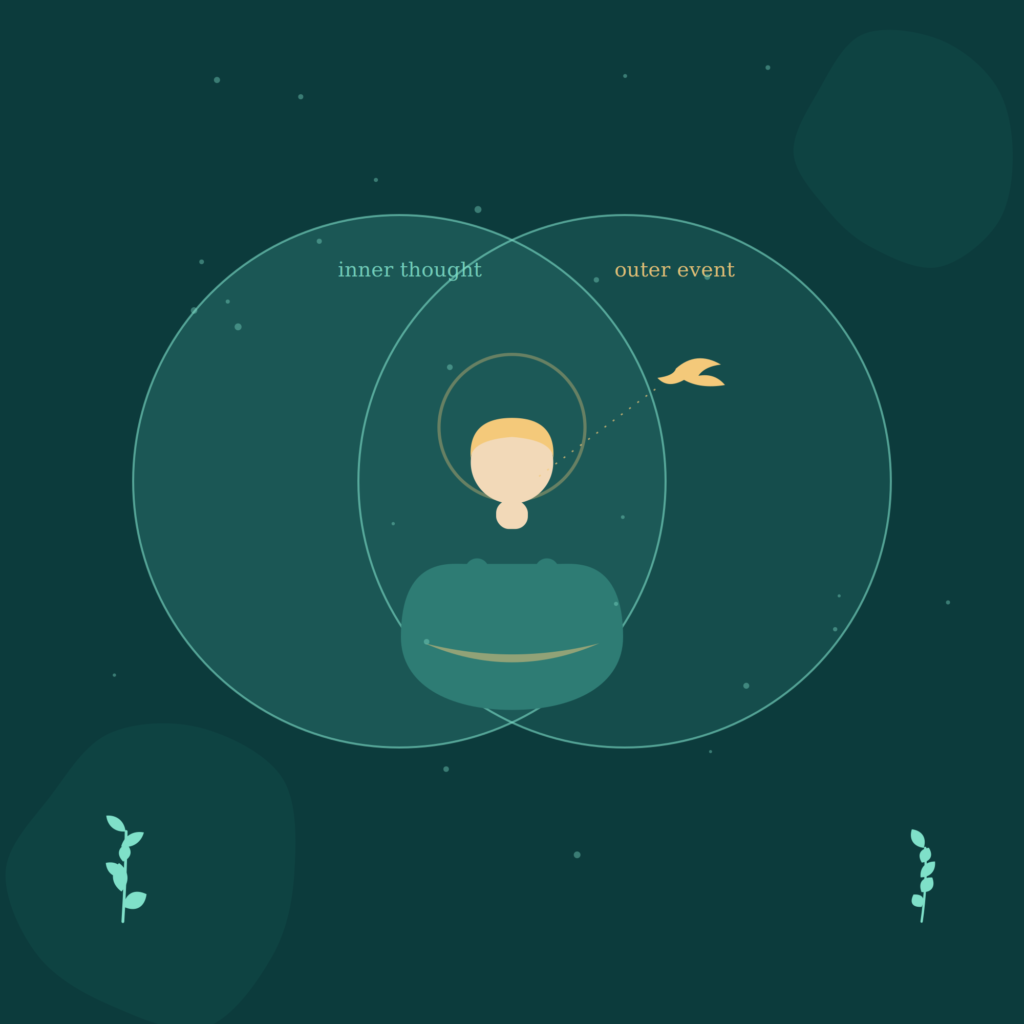
At its core, synchronicity describes a pairing of an inner experience (a thought, a dream, a strong feeling) with an outer event that mirrors or answers it, arriving without any traceable cause. Jung called it an “acausal connecting principle,” a deliberately awkward phrase meant to capture something science had no good name for: events that are connected by meaning rather than by mechanism.
This is different from saying the universe is sending signals through the mail. Jung was a clinician first, and he developed the concept while treating patients whose inner lives seemed to intersect with outside events in ways that felt too precise to dismiss as chance, yet too unpredictable to explain through ordinary causation. He wasn’t trying to prove magic was real. He was trying to describe a pattern he kept seeing in the therapy room and couldn’t ignore.
Three qualities tend to define a true synchronistic experience:
- Acausality. There’s no direct chain of cause and effect connecting the internal state to the external event. One doesn’t produce the other.
- Subjective meaning. The connection feels significant to the person experiencing it, often because it speaks directly to something they’re wrestling with at that moment.
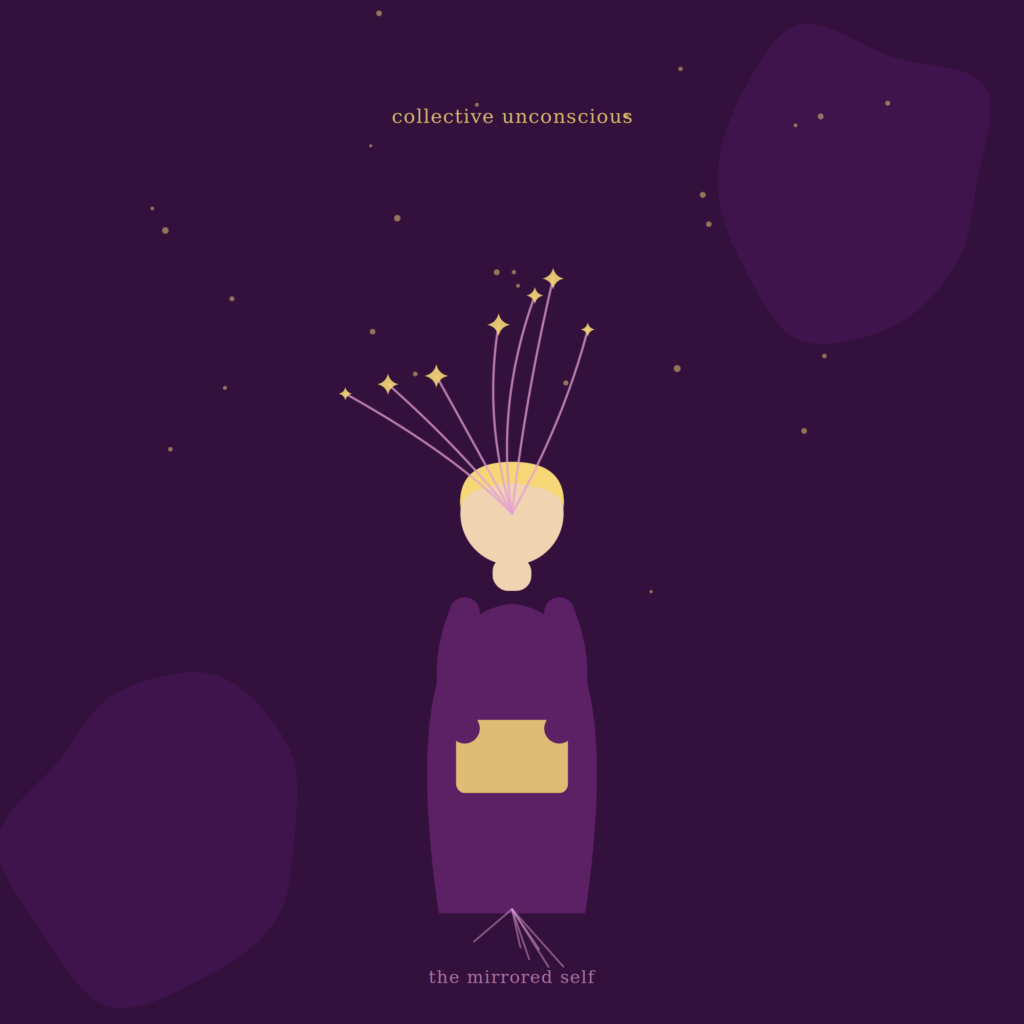
- Archetypal resonance. Jung believed many of these events tap into what he called the collective unconscious, touching on universal human themes like loss, transformation, or new beginnings rather than trivial details.
Synchronicity vs. Coincidence vs. Serendipity: Understanding the Differences
These three words get used interchangeably in casual conversation, but they describe distinct experiences, and understanding the difference actually sharpens how useful each concept can be.
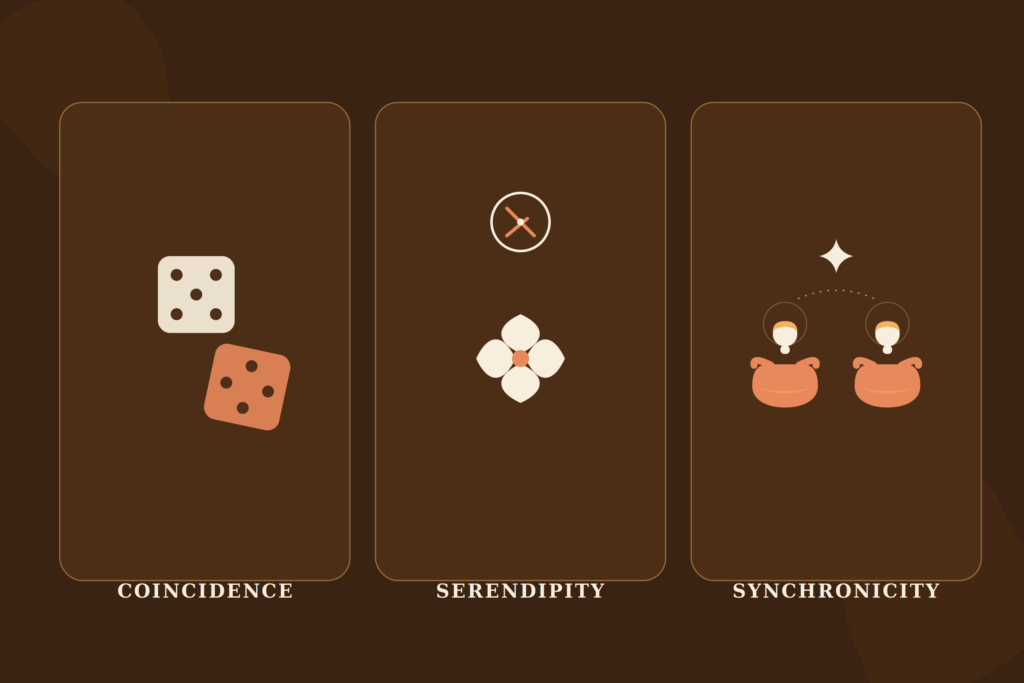
Coincidence is the broadest category. It simply means two or more events occurring together without an obvious connection. Some coincidences are trivial, like rolling the same number twice on a die. Others feel remarkable, like the deaths of Thomas Jefferson and John Adams on the same day, July 4, 1826, exactly fifty years after the signing of the Declaration of Independence. Whether a coincidence carries meaning is left entirely open; the word itself doesn’t claim significance one way or the other.
Serendipity is a coincidence with a practical payoff. The term was coined by writer Horace Walpole in 1754, inspired by a Persian tale called “The Three Princes of Serendip,” whose heroes kept stumbling onto valuable discoveries they weren’t specifically looking for. Alexander Fleming’s discovery of penicillin, found in a contaminated petri dish he almost threw away, is the textbook example. Serendipity combines chance with attentiveness. It rewards the person who notices something useful in an accident.
Synchronicity, by contrast, is coincidence with emotional or psychological weight rather than practical benefit. Thinking intensely about an old friend right before they call isn’t useful in any material sense, but it can feel profoundly significant, as though the timing itself is trying to say something. Where serendipity points outward toward opportunity, synchronicity points inward toward meaning and self-understanding.
Here is a simple way to hold the distinction:
| Concept | What connects the events | What it tends to produce |
| Coincidence | Chance alone | No inherent meaning |
| Serendipity | Chance plus awareness | A useful discovery or opportunity |
| Synchronicity | Chance plus personal significance | Insight, reflection, a sense of guidance |
Search interest around terms like synchronicity vs coincidence and coincidence and synchronicity has grown steadily, which suggests a lot of people are having these experiences and looking for language to describe them, rather than looking for a strict scientific verdict on whether they’re “real.”
How Synchronicity Works: The Psychology Behind Meaningful Coincidences
There’s no single accepted mechanism for synchronicity, and that’s part of what makes it such a fascinating subject rather than a settled one. A few different explanations tend to circulate, and it’s worth understanding all of them rather than picking a side.
The psychological lens.
Jung linked synchronicity to what he called individuation, the lifelong process of becoming a more integrated, self-aware person. In his view, synchronistic events tend to cluster around major life transitions: grief, falling in love, career change, or the kind of shadow work that surfaces during a spiritual crisis. The theory holds that during these periods, the unconscious mind is unusually active, and that activity somehow increases our sensitivity to outer events that mirror our inner state. This doesn’t require the outer event to have been caused by the person’s thoughts; it only requires that attention and emotional readiness make the connection noticeable.
The cognitive lens.
Skeptics and cognitive scientists point to something simpler: pattern recognition. Human brains are extraordinarily good at finding connections, sometimes too good. This is often called apophenia, the tendency to perceive meaningful links between unrelated things. Under this view, synchronicity isn’t a property of the universe; it’s a property of attention. If you start thinking about a particular car model, you’ll suddenly “notice” it everywhere, not because more of those cars have appeared, but because your brain has started filtering for it.
The traditional and spiritual lens.
Many contemplative traditions, long before Jung gave the phenomenon a clinical name, held that the visible world and the inner world are not as separate as modern thought assumes. Taoist philosophy describes a flow to existence that intelligent attention can align with. Various Indigenous and Eastern frameworks describe meaningful coincidence as evidence of an underlying order connecting mind and world. Jung himself was influenced by these ideas, along with early conversations with physicists exploring quantum theory, though it’s worth being honest that any claimed link between synchronicity and quantum mechanics remains philosophical rather than experimentally established.
None of these three lenses fully cancels out the others. It’s entirely possible that heightened attention during emotional transitions (psychological), a brain wired for pattern detection (cognitive), and a genuine felt sense of connectedness (traditional) are all operating in the same moment.
Evidence and Perspectives: What Research and Practice Actually Say
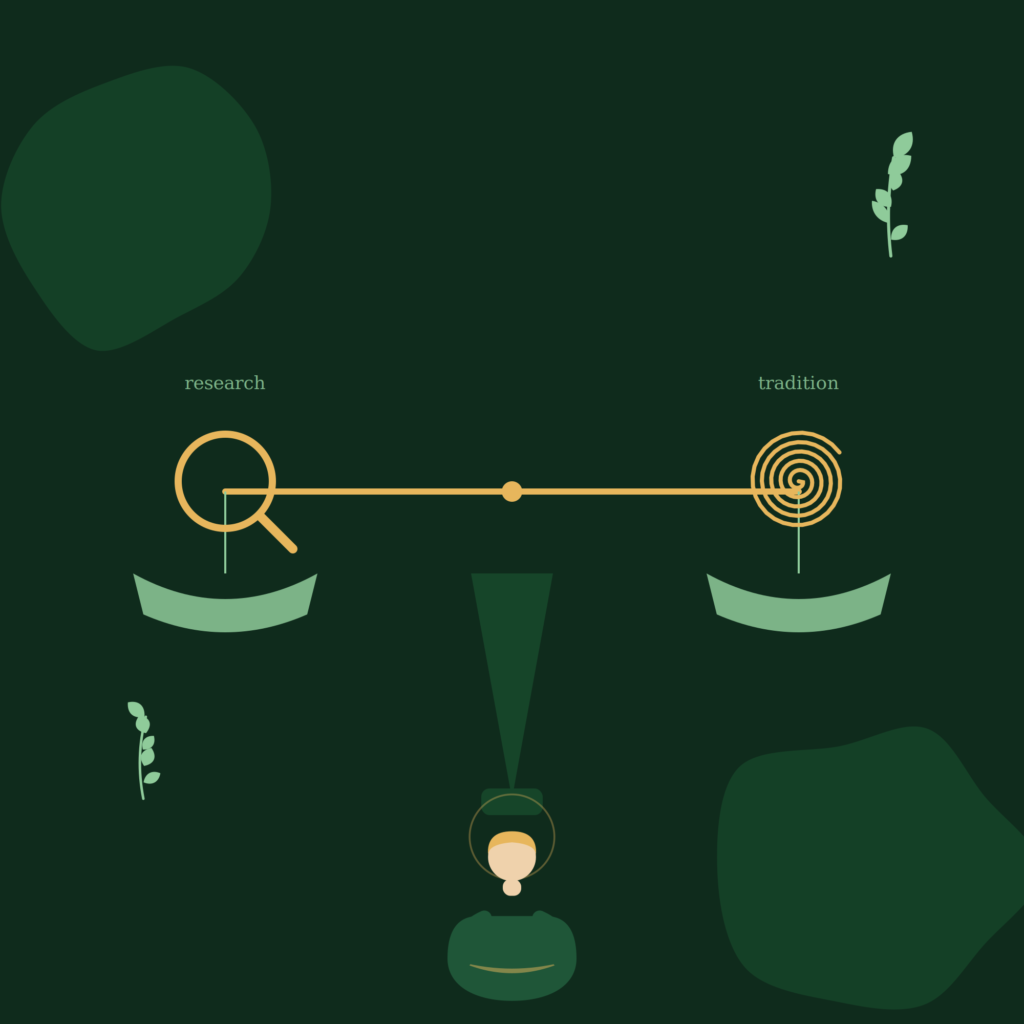
It’s worth being straightforward here: synchronicity, as Jung defined it, has not been demonstrated through controlled scientific experiment, and by its nature it may not be the kind of thing-controlled experiments can capture. Meaning is subjective, and a study can’t measure how significant an event feels to one particular person at one particular moment in their life.
What research has looked at more directly is serendipity, particularly in fields like innovation studies and the psychology of discovery. Researchers in these areas study how to increase the odds of useful accidental findings, treating serendipity as a skill cultivated through curiosity and the willingness to follow an unexpected thread. That research doesn’t touch the emotional dimension of synchronicity directly, but it supports the broader idea that attentiveness changes what we notice and use.
On the practitioner side, therapists working in Jungian and depth psychology traditions continue to treat synchronistic experiences as clinically meaningful, not because they prove anything about causality, but because a client’s interpretation of an event often reveals what that client is actually working through. A recurring dream image showing up in waking life, for instance, doesn’t need to be objectively “true” to be useful in therapy. It can still open a door to a conversation the person needed to have with themselves.
Outside clinical settings, countless personal accounts describe synchronicity as a felt sense of being supported or guided, particularly during difficult periods. These accounts are experiential rather than measurable and treating them as anecdotal isn’t a dismissal. It’s simply an honest description of the kind of evidence they represent real to the people who experienced them, not independently verifiable by others.
Practical Ways to Work with Synchronicity in Daily Life
Whatever explanation resonates with you, synchronicity can be a genuinely useful tool for self-reflection if approached with curiosity rather than anxiety. A few grounded ways to work with it:
Notice without forcing.
Meaningful coincidences tend to lose their power the moment someone starts hunting for them everywhere. Let them arrive rather than manufacturing significance out of every minor overlap.
Ask better questions when something lands.
Jung’s own approach was reflective, not superstitious. When something feels synchronistic, three questions tend to open the most insight:
- What was I thinking or feeling right before this happened?
- How does this connect to what’s currently unfolding in my life?
- What is this moment inviting me to notice or reconsider?
Keep a record.
Writing down synchronistic experiences as they happen, rather than trying to recall them later, makes patterns easier to spot over time. Many people who keep a regular spiritual journaling practice find that synchronicities become easier to interpret in hindsight, because the surrounding context is already documented.
Separate the signal from the noise.
Not every coincidence deserves deep interpretation. A useful filter is trusting your intuition: did the moment carry an emotional charge, or does it only feel significant because you’re actively looking for meaning today? The former is worth sitting with. The latter can usually be let go.
Hold interpretation loosely.
Even Jung treated synchronicity as an invitation to reflect, not a literal instruction from the universe. Meaning drawn from these moments is most useful when it stays flexible enough to be revised as your understanding of your own life deepens.
Common Misconceptions About Synchronicity
A few misunderstandings show up often enough to be worth addressing directly.

“Synchronicity means everything happens for a reason.” Jung’s framework doesn’t claim this. It describes specific moments where inner and outer experience align meaningfully, not a blanket theory that every event in life is preordained.
“If it isn’t synchronicity, it’s meaningless.” This is a false choice. Most coincidences are simply coincidences, and that’s fine. Synchronicity was never meant to explain everything; it was meant to name a specific, recognizable kind of experience.
“Synchronicity and serendipity are the same thing.” As covered earlier, they’re related but distinct. Serendipity tends to produce a practical outcome; synchronicity tends to produce emotional or psychological insight. A single event can occasionally contain both.
“Believing in synchronicity means rejecting science.” Many people who take these experiences seriously also hold a grounded, evidence-based view of the world in every other area of life. The two aren’t mutually exclusive, and researchers have taken the phenomenon seriously as a subject worth studying while remaining cautious about causal claims.
For daily insights on consciousness, clarity, and trusting yourself, explore Bahlon’s free daily transmissions. Subscribe here to receive them directly.
Related Readings:
Frequently Asked Questions
What is the simplest definition of synchronicity?
Synchronicity is a meaningful coincidence between an inner experience and an outer event, with no direct causal link between the two, first described by Carl Jung.
What’s the difference between synchronicity and coincidence?
A coincidence is any unexplained overlap of events, meaningful or not. Synchronicity is specifically a coincidence that feels personally significant, usually because it mirrors a person’s inner emotional or psychological state.
Are there signs that indicate synchronicity is happening?
Common signs people describe include repeated number sequences, unexpected reunions with people who were just on their mind, dreams that seem to anticipate real events, and a strong felt sense of timing that feels too precise to be arbitrary. These are subjective markers rather than proven indicators.
Is synchronicity scientifically proven?
No. Synchronicity, as Jung defined it, hasn’t been demonstrated through controlled experiment, largely because personal meaning isn’t something a study can measure objectively. It remains a psychological and experiential concept rather than an empirically established one.
Can synchronicity happen between two people, such as in a relationship?
Yes, many people describe shared synchronistic experiences with a partner, such as both thinking of the same thing simultaneously or repeatedly crossing paths before officially meeting. These accounts are common in personal narratives about meaningful relationships, though like other forms of synchronicity, they’re understood experientially rather than scientifically confirmed.