If you’ve ever walked out of a crowded room feeling like you’d run a marathon or absorbed a friend’s anxiety so completely that it took hours to shake off, you already know why so many people search for how to protect your energy as an empath. In short: it comes down to three things working together, grounding your body, setting clear emotional boundaries, and learning to tell the difference between what you’re feeling and what belongs to you. None of these are complicated tricks. They’re skills, and like any skill, they get stronger the more you practice them.
For some people, this isn’t a passing curiosity. It’s survival. Searches like “being an empath is killing me” show up often enough that it’s worth naming directly: chronic emotional overwhelm is real, it’s exhausting, and it deserves to be taken seriously rather than brushed off as sensitivity you should simply learn to live with.
What It Means to Be an Empath
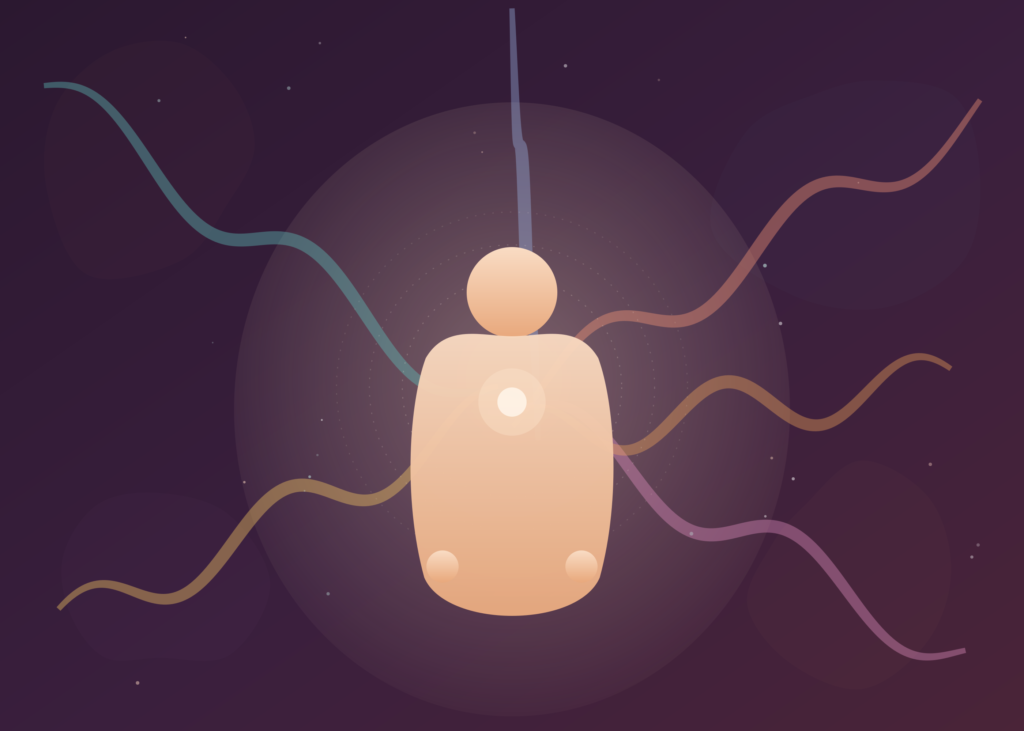
The word “empath” gets used loosely, so it’s worth being precise. In popular usage, an empath is someone who feels other people’s emotions with unusual intensity, sometimes to the point of confusing those feelings with their own. Walk into a tense meeting and you don’t just notice the tension; you feel it in your chest. Sit next to someone who’s grieving, and their sadness seems to seep into you before a word is spoken.
Psychology doesn’t have a formal diagnostic category called “empath,” but it does recognize the underlying trait. Researchers studying sensory processing sensitivity, a concept developed by psychologist Elaine Aron, have found that roughly 15 to 20 percent of people process sensory and emotional information more deeply than average. This isn’t a flaw. It’s a nervous system that’s wired to notice more, faster, which comes with real gifts (intuition, compassion, attunement to others) and real costs (overstimulation, fatigue, and difficulty separating your emotional state from someone else’s).
Traditional and spiritual frameworks describe this differently, often in terms of energy fields, auras, or subtle bodies that can be affected by the emotional states of others nearby. These ideas don’t have the same kind of controlled research behind them that sensory processing sensitivity does, but they’ve shaped centuries of practice around energy protection for empaths, and millions of people find them useful as a language for something they already feel in their bodies. If you’re curious how this connects to broader ideas about subtle energy and consciousness, it’s worth exploring alongside the more grounded psychological research. Both explanations point toward the same practical need: a way to stay grounded when the emotional volume around you turns up.
How Energy Protection Actually Works
There are two competing, and honestly complementary, ways to understand what’s happening when an empath feels drained and how to protect energy as an empath.
The external-influence model treats other people’s emotions as something that can genuinely affect your energetic state, almost like a contagion. Under this model, protecting yourself means creating a boundary, a shield, a buffer, so that other people’s emotional weather doesn’t become your own. This is the more traditional, widely taught approach, and it’s the basis for most of the practical techniques below.
The internal-processing model takes a different view. It holds that no one can control or drain your energy from the outside. What you’re calling “absorbing” someone’s emotion is really your own nervous system reacting, often because there’s already unprocessed emotional material sitting inside you that gets triggered by what you’re witnessing. Feeling wiped out around a difficult person isn’t proof they took something from you. It’s a signal pointing at something inside you that hasn’t been fully felt or released yet.
Neither view cancels the other out in practice. Even people who lean toward the internal-processing model still find value in grounding rituals, simply because those rituals calm the nervous system regardless of where the emotion originated. And even people who favor the external-influence model tend to notice, over time, that the moments they feel most “invaded” by someone else’s mood are often the moments they were already carrying something heavy of their own. The honest answer is probably that both are true at once: other people’s emotions can genuinely stir something in you, and what gets stirred often has roots that predate the interaction entirely.
What the Evidence and the Experience Both Show
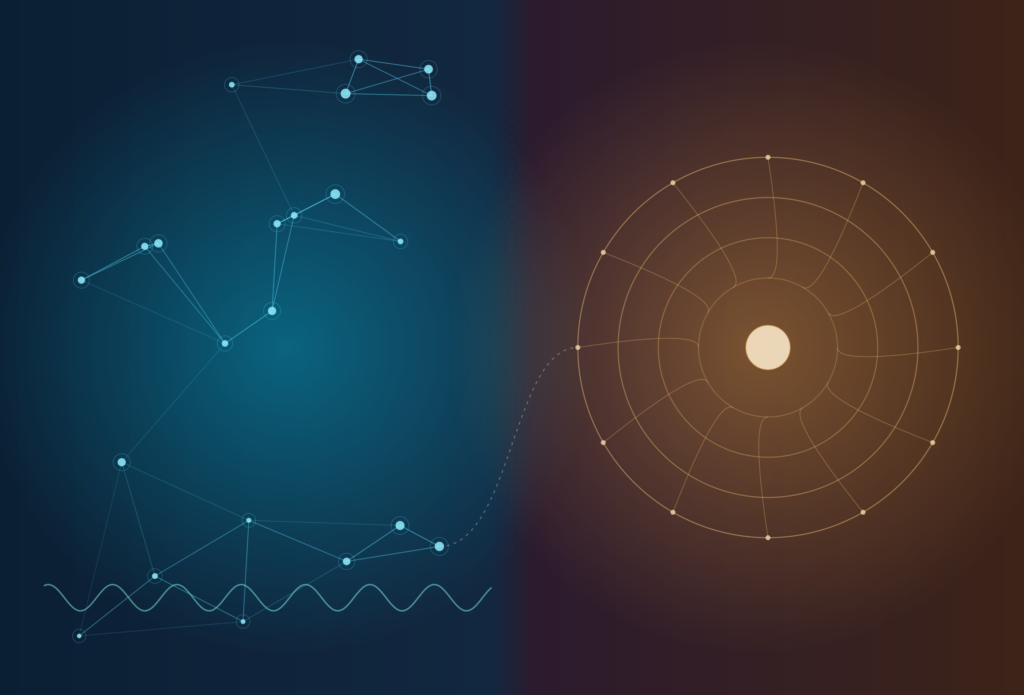
On the scientific side, the clearest support comes from research on emotional contagion, the well-documented phenomenon where moods and emotional expressions spread between people through facial mimicry, tone of voice, and body language, often below conscious awareness. This is measurable and well-replicated, and it explains a good portion of why sitting near an anxious person can make you feel anxious too, no metaphysics required. Highly sensitive people, per Aron’s research, show stronger physiological and neural responses to this kind of contagion, which lines up neatly with what empaths describe experiencing.
On the traditional side, practices like grounding, visualization, and salt-water cleansing draw from a long lineage across multiple healing traditions, from folk practices to more structured energy-work systems. These aren’t backed by clinical trials in the way emotional contagion research is, and it’s honest to say so plainly. But absence of controlled studies isn’t the same as absence of value. Practitioners across decades report consistent, replicable personal results, and the physiological logic behind many of these practices, like the calming effect of cold water or the focused breathing built into most grounding exercises, is well understood even if the “energetic” framing around it isn’t something a lab can measure directly.
Then there’s the inner-work perspective, most clearly represented by teachers who reframe empathic overwhelm as an invitation rather than a wound to manage. In this view, chronic empath exhaustion isn’t a life sentence, it’s a sign that emotional material is asking to be felt and released rather than defended against. This tends to appeal to people who’ve tried every boundary technique and shielding ritual available and still feel raw, because it points toward resolution instead of ongoing management.
Practical Ways to Protect Your Energy
Here’s where theory becomes daily practice. Most people find that combining a few methods from each perspective works better than committing to just one to protect energy as an empath.
Set actual boundaries.
This means limiting time with people who consistently leave you depleted and giving yourself permission to leave emotionally intense situations without guilt. A simple internal script helps here: “I can care about this person and still say no.” Boundaries aren’t coldness. They’re the container that makes sustainable compassion possible. For a deeper look at why this is so hard for sensitive people specifically, see why boundaries feel like betrayal for empaths.
Practice a quick internal check.
When your mood shifts suddenly, pause and ask, “Is this feeling mine, or did it start when I walked into this room?” This single question does a lot of work. It doesn’t require you to pick a side in the external-versus-internal debate; it just builds the habit of noticing before reacting.
Ground yourself daily, not just in a crisis.
Time outdoors, walking barefoot on grass, or simply imagining roots extending from your feet into the earth are low-effort ways to settle an overstimulated nervous system. This matters more as a daily habit than as a one-time fix, the same way stretching helps more when it’s routine rather than reserved for the day your back finally gives out.
Use a visualization or shielding technique before high-stimulation situations.
Picturing a band of light around your body, or a zipper sealing closed from your feet to your head, is a widely used method among people who work with empath energy protection. Whether you understand this as literal energetic defense or as a focused visualization exercise that calms the nervous system through imagery, the outcome for most people is the same: less residual heaviness after difficult interactions.
Clear your energy physically.
A shower or bath with Epsom or sea salt, a few sweeping hand motions across your body, or simply saying “I release what isn’t mine” out loud are small rituals that mark a clean transition out of a draining encounter. Some people also use empath protection crystals like black tourmaline or smoky quartz, or wear empath protection jewellery as a tactile reminder to stay grounded throughout the day, an empath protection symbol worn on the body, in effect. These tools work partly through belief and ritual and partly through the simple behavioral cue of a physical object that interrupts autopilot absorption.
Do the deeper work when you’re ready.
Rather than only managing symptoms, notice when your mood shifts, locate where the feeling sits in your body, and let yourself feel it rather than narrating a story about it. This is slower and less immediately gratifying than a quick shielding visualization, but many people who’ve tried both report that it produces something the management techniques alone don’t: lasting relief rather than a repeating cycle of drain and recovery. This approach overlaps closely with how to actually feel and release stored emotion, rather than simply managing it from the outside.
Common Misconceptions Worth Clearing Up
A frequent misunderstanding is that protecting your energy means becoming detached or less caring. In practice, the opposite tends to happen. People who learn to distinguish their own emotions from what they’re picking up from others often become more compassionate, not less, because they’re responding from clarity instead of overwhelming. There’s also a meaningful difference between empathy, feeling someone else’s emotion as if it were your own, and compassion, understanding what someone is going through without losing your own footing. Compassion tends to be more sustainable over the long run precisely because it doesn’t require self-erasure.
Another misconception is that if you still feel affected by other people after using grounding and shielding techniques, you’re doing something wrong. More often, it simply means there’s unprocessed emotional material underneath the immediate reaction, which points toward inner work rather than a failed technique.
For daily insights on consciousness, clarity, and trusting yourself, explore Bahlon’s free daily transmissions. It’s a simple way to keep this kind of grounded self-awareness part of your everyday rhythm.
Related Readings:
Frequently Asked Questions
How can I protect my energy as an empath at work?
Set clear limits on how much emotional labor you take on for coworkers, take short grounding breaks between meetings, and use a brief mental check-in (“is this mine?”) before responding to tense situations in real time.
Do empath protection crystals actually work?
There’s no clinical research confirming a measurable energetic effect, but many people find genuine value in the ritual and the physical reminder a crystal provides to stay grounded, which is a real and useful function even without a scientific mechanism behind it.
Why does being an empath feel exhausting or even unbearable at times?
Chronic overwhelm usually points to a nervous system that’s absorbing more than it’s releasing. Daily grounding, firmer boundaries, and processing built-up emotion rather than just managing it tend to bring the exhaustion down significantly over time.
Is being an empath a real psychological trait?
There’s no formal clinical diagnosis called “empath,” but the closely related trait of sensory processing sensitivity is well documented in research and describes many of the same experiences.
What’s the fastest way to reset after an emotionally draining interaction?
A short grounding practice, like a few minutes outdoors or a quick water-based cleansing ritual such as washing your hands or face while consciously letting go of the interaction, tends to offer the quickest sense of relief.