Soul purpose is the deeper reason you exist beyond any job title, role, or achievement, the inner “why” that shapes how you express your true self and contribute to the world around you. It isn’t something you invent from scratch. Most traditions and modern seekers alike describe it as something already present within you, waiting to be noticed rather than built. The work, then, isn’t creation. It’s recognition.
That distinction matters more than it might first appear. A career can change five times over a lifetime. A soul purpose, by most accounts, doesn’t. It’s the thread that runs underneath the changing jobs, relationships, and chapters of a life, giving them a shared direction even when the surface details look completely different.
What Is Soul Purpose?

At its simplest, soul purpose refers to the underlying reason a person is here, the animating force behind their choices, energy, and growth. It is not a job description. A teacher and a nurse might share the same soul purpose (let say to comfort people in moments of uncertainty) while doing work that looks nothing alike on paper.
This idea shows up across contemplative traditions under different names. In yogic and Vedic philosophy, it’s closely tied to the concept of dharma, a term that describes both your inner truth and the actions that flow from it. Dharma isn’t just belief or just behavior. It’s the alignment of the two: being and doing moving in the same direction. When someone says they’re “living their dharma,” they generally mean their actions have become a natural expression of who they actually are, rather than a performance for someone else’s benefit.
Soul purpose tends to show up in three overlapping places:
- What you do – the activities, work, or roles you’re drawn toward
- How you do it – your style, energy, or way of engaging
- Why you do it – the motivation or value underneath the action
Importantly, most people describe purpose as something felt more than something proven. It’s less a fact you can verify with a document and more a quality of aliveness that shows up when you’re doing the right thing, for you, at the right time.
How Soul Purpose Works

Soul purpose isn’t static or singular in the way a job title is. It’s better understood as a frequency; a consistent quality of energy and intention that runs through everything a person genuinely cares about. That’s why someone can have several passions or roles across a lifetime and still describe having “one purpose.” The roles are different expressions of the same underlying note.
This is also why purpose tends to evolve. A twenty-five-year-old figuring out their first career and a sixty-year-old mentoring the next generation may be living out the same soul purpose in entirely different forms. There’s no fixed timeline for when it should arrive, and no single “correct” way it’s supposed to look. Some people sense it early. Others spend decades circling it before the pieces click into place. Both are normal.
Alignment with purpose tends to produce recognizable signs: a sense of ease, energy that builds rather than drains, and the feeling that effort is going somewhere rather than nowhere (a state closely related to what many describe as living in alignment day to day). Misalignment produces the opposite: chronic dissatisfaction, confusion about direction, or the sense of living according to someone else’s expectations rather than your own. Neither state is permanent. Purpose is something people move toward and away from throughout life, not a switch flipped once and forgotten.
What Research and Experience Both Suggest
The idea of soul purpose sits at an interesting crossroads between spiritual tradition and psychological research, and it’s worth being honest about what belongs to each.
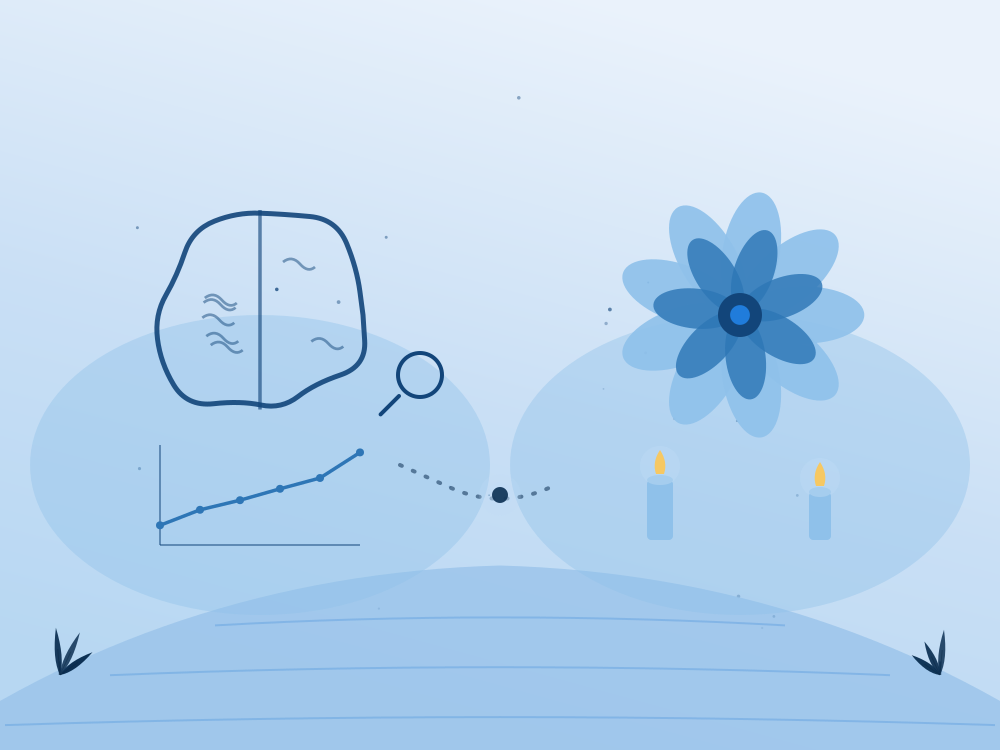
On the psychological side, there’s a substantial and growing body of research on “purpose in life” as a measurable construct, distinct from happiness or momentary pleasure. Researchers in positive psychology have linked a strong sense of purpose to better long-term wellbeing, greater resilience during hardship, and even physical health outcomes such as improved cardiovascular markers and longevity in some longitudinal studies. This research generally defines purpose as a stable, forward-looking intention that organizes a person’s goals and gives their daily actions meaning, which lines up closely with how soul purpose is described in more spiritual or contemplative language, minus the metaphysical framing.
On the traditional and experiential side, soul purpose is described less as a psychological trait to measure and more as something to be remembered or uncovered, an inner truth that exists independently of whether science has a name for it yet. Practitioners across meditation, coaching, and spiritual counseling traditions consistently describe the same core pattern: purpose becomes clearer through self-reflection, not through external searching. People report that quieting the noise of expectation, comparison, and fear tends to reveal something that was there all along, rather than producing something new.
These two lenses, the empirical and the experiential, aren’t in direct competition. Psychology can measure whether a sense of purpose correlates with wellbeing, but it generally doesn’t weigh in on whether that purpose has a soul-level or spiritual origin. That’s a question of meaning-making outside what a controlled study can answer, and different people will reasonably land in different places on it. The data on purpose and wellbeing is real, and so is the lived, first-person experience of discovering something that feels deeper than personal preference.
How to Find Your Soul Purpose
If soul purpose is something to uncover rather than manufacture, the practical work looks less like brainstorming and more like paying closer attention to what’s already there. A few approaches show up consistently across traditions and modern purpose-coaching frameworks alike.
Follow What Genuinely Excites You
Notice what pulls your attention without effort, the topics, activities, or causes that put you into a natural state of flow. Joy is often treated as decoration, something nice to have once the “real” work is done. In the context of finding your purpose, it’s closer to a compass. What excites you tends to point toward what you’re here to do.
Revisit Your Challenges
Past struggles are rarely random. Many people find that their hardest experiences, the ones they once wished away, eventually become the source of the wisdom or compassion they offer others. A person who struggled with anxiety may become a natural guide for others navigating the same thing. Reflecting on what you’ve overcome, rather than only on what you enjoy, often surfaces purpose from an unexpected angle.
Track Your Energy, Not Just Your Time
Keep a loose mental (or literal) log of what leaves you more energized and what leaves you depleted, even among tasks you’re technically good at. Competence and alignment aren’t the same thing. It’s possible to be skilled at something that quietly drains you. Purpose tends to correlate with energy gained, not just effort expended.
Ask the Deeper Questions
Two questions tend to cut through a lot of noise: Who do I want to be? and how do I want to impact the people around me? These aren’t questions with a single correct answer, and they’re worth revisiting periodically rather than answering once and filing away.
Look at What You Already Carry
Your existing skills, interests, and even seemingly unrelated past jobs are rarely wasted material. A former career in sales might contribute communication skills to a completely different calling later on. Purpose often assembles itself from pieces already in hand rather than requiring an entirely fresh start.
Underneath all of these approaches is one recurring theme: intuition. As children, most people follow curiosity and joy without a second thought. Over time, external expectations, from family, culture, or economic pressure, can quietly disconnect people from that inner signal. Reconnecting with intuition, learning to trust that quite internal “yes” or “no,” is frequently described as the single most important skill in this process, and it’s closely tied to learning to trust yourself. It’s less about gathering more information and more about trusting the information you already have, a practice that overlaps closely with meditation for inner clarity.
Common Questions and Misconceptions
A few misunderstandings tend to come up again and again when people start exploring the soul purpose.

“My soul purpose has to be one specific job.” This is probably the most common misconception. Purpose is closer to a quality or direction than a job title. It can be expressed through many different careers, roles, or even hobbies over time.
“If I haven’t found it by now, something’s wrong with me.” There’s no universal timeline. Some people sense their purpose clearly in their twenties; others discover it in their fifties or later, often after a major life change forces a period of reflection.
“Purpose has to feel extraordinary.” In most accounts, it’s the opposite. Purpose is usually simple and natural rather than dramatic, something that feels like coming home rather than achieving a spectacle.
“I have too many interests to have just one purpose.” Multiple passions don’t cancel each other out. They’re often different expressions of a single underlying thread, which becomes visible only in hindsight.
Common obstacles along the way include fear of change or judgment, attachment to what others expect, confusion from juggling multiple identities, and a general lack of trust in one’s own instincts. Working through these tends to require self-awareness, the courage to step away from paths that no longer fit, and a genuine openness to growth, none of which happen overnight, and all of which are part of the process rather than signs of failure.
The Benefits of Living Aligned with Your Purpose

People who describe living in alignment with their soul purpose tend to report a consistent cluster of outcomes: greater day-to-day fulfillment, a clearer sense of direction, more confidence in decision-making, and a felt sense of authenticity that’s hard to fake. Life doesn’t necessarily become easier in a literal sense, difficult things still happen, but there’s often a smoother quality to it, a sense that effort is going somewhere meaningful rather than being spent to satisfy someone else’s expectations.
Perhaps the most grounding realization in all of this is that the search itself is largely internal. The purpose isn’t hiding somewhere out in the world, waiting to be found through the right job posting or the right relocation. It’s something to be remembered rather than manufactured, which means the real work is less about becoming someone new and more about clearing away what’s been covering up who you already are.
For daily insights on consciousness, clarity, and trusting yourself, explore Bahlon’s free daily transmissions. Subscribe here to receive them directly.
Related Readings:
Frequently Asked Questions
What is the difference between soul purpose and a career?
A career is a specific job or field of work. Soul purpose is the deeper motivation and quality of energy underneath it, the “why” that can express itself through many different careers over a lifetime.
How do I know if I’ve found my soul purpose?
Most people describe a felt sense of alignment: energy rather than exhaustion, clarity rather than confusion, and a feeling that their actions are creating a positive impact. It’s more of a recognizable quality than a checklist.
Can your soul purpose change over time?
Yes. Purpose tends to evolve as a person grows and moves through different life stages, even if the underlying thread connecting those changes stays consistent.
Is soul purpose a spiritual concept or a psychological one?
Both, depending on the framing. Psychology studies “purpose in life” as a measurable factor linked to wellbeing, while spiritual traditions describe soul purpose as an inner truth to be uncovered. The two perspectives overlap more than they conflict.
What’s the first step to finding my soul purpose?
Start by noticing what genuinely excites you and what drains you, then reflect honestly on past challenges and the skills or lessons they left behind. Self-reflection, more than external searching, is where most people report the clearest insight.