A near-death experience is a profound psychological and physiological event that some people report after coming close to death, most often involving sensations of leaving the body, moving toward a bright light, or reliving major life memories. Researchers estimate that somewhere between 10% and 20% of people who come close to dying report one, and the phenomenon has been studied seriously by neuroscientists, cardiologists, and philosophers for over fifty years. Despite decades of research, scientists still disagree on what causes these experiences and what they reveal about the nature of consciousness itself.
That disagreement is really the heart of the story. It is not that science ignores near-death experiences, or waves them off as fantasy. Quite the opposite. Some of the most rigorous research happening in consciousness studies today is trying to figure out exactly what is happening in the brain and mind during these events, and why the accounts are so strikingly similar across cultures, ages, and belief systems.
What Is a Near-Death Experience?
A near-death experience, often shortened to NDE, refers to a set of unusual sensory, cognitive, and emotional experiences reported by people who have been clinically close to death, whether from cardiac arrest, severe injury, illness, or even during general anesthesia. The term itself was popularized in the 1970s by researcher Raymond Moody, though descriptions that sound remarkably similar appear centuries earlier.
Ancient Greek philosophers, including Heraclitus, Democritus, and Plato, wrote about individuals who appeared to die and then recovered, describing what they witnessed in the interim. So while the scientific study of NDEs is relatively young, human fascination with the experience is not new at all.
Clinically, the phenomenon shows up with notable consistency. In one of the largest studies on the subject, conducted in the Netherlands, researchers followed 344 cardiac arrest patients who had been successfully resuscitated. Of those, 62 people, about 18%, reported some form of near-death experience. Smaller and larger studies since then have landed in a similar range, generally putting the rate at 10% to 20% of people who come close to death, and closer to 15% specifically among cardiac arrest survivors.
It is worth being precise about terminology here, because it matters for understanding the research. An NDE is distinct from a general “afterlife experience” or a religious vision, though the two are sometimes discussed together. NDEs are specifically tied to a documented medical event, such as cardiac arrest or major trauma, where the person was at genuine risk of dying.
The Common Features Researchers Keep Finding
One of the most striking things about near-death experience research is how consistent the reported features are, regardless of a person’s culture, religion, or prior beliefs about death. Researchers have identified several recurring elements that show up again and again in NDE accounts.
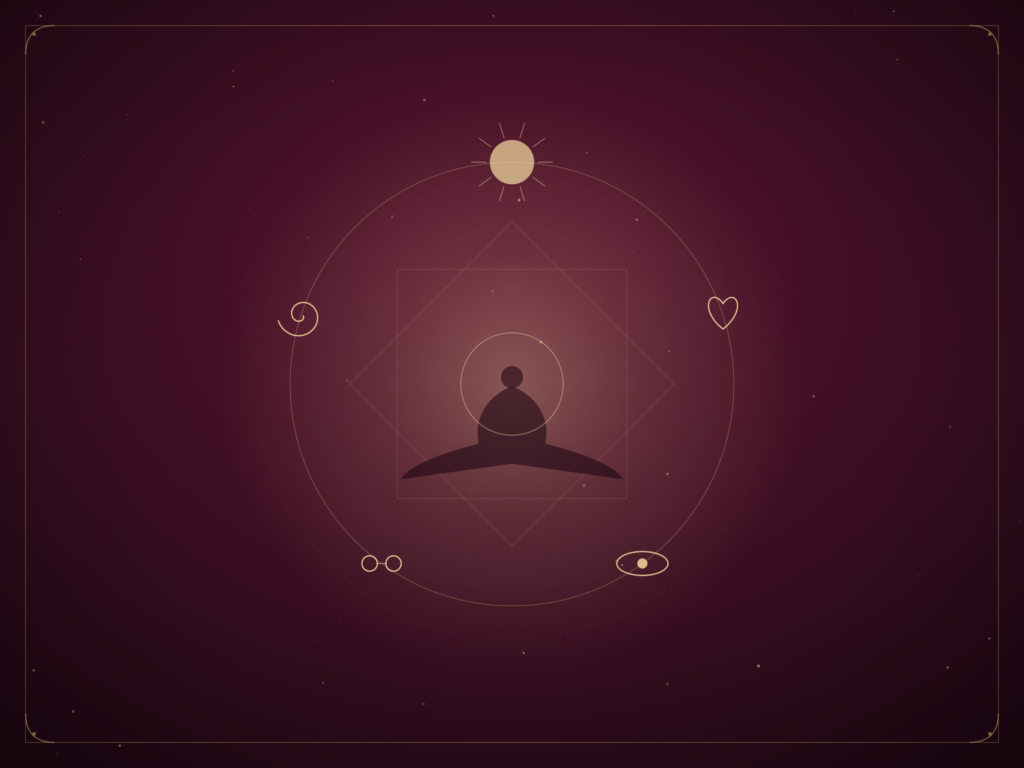
Out-of-body sensations. Many people describe feeling separated from their physical body, sometimes reporting that they watched medical staff working on them from above, or observed the room from a vantage point outside themselves.
Tunnels and light. A frequently reported detail involves moving through a dark passage or tunnel toward a bright light, often described as warm, welcoming, and free of pain.
Life reviews. Some individuals report a rapid, vivid replay of significant memories or moments from their life, often experienced with intense emotional clarity.
Profound peace. Feelings of calm, love, and detachment from physical suffering are consistently reported, even by people who were in significant medical distress moments before.
Encounters with the deceased. Some people describe sensing or seeing loved ones who had already died, an element that carries deep emotional weight for many who experience it, and one that overlaps closely with what many describe in channeling and mediumship experiences.
Not everyone reports all of these features, and not every NDE follows the same sequence. Some are brief and fragmentary. Others unfold as a detailed, multi-stage narrative. But the overlap across thousands of independently collected accounts, spanning different countries and decades, is what keeps researchers taking the phenomenon seriously.
How Science Tries to Explain It
This is where the research gets genuinely interesting, and genuinely unresolved. Several biological and neuroscientific theories attempt to account for why NDEs happen, each grounded in real physiological processes.

Oxygen Deprivation and the Dying Brain
One leading explanation centers on hypoxia, the drop in oxygen levels that occurs when blood flow to the brain is reduced or cut off. Low oxygen is known to cause hallucinations, altered perception, and tunnel-like visual distortions, which lines up with some of the most commonly reported NDE features.
Bursts of Brain Activity
Counterintuitively, some studies have found brief surges in brain activity during cardiac arrest, right at the point when the brain would be expected to be shutting down. This has led some researchers to propose that the dying brain may go through a short window of heightened, almost hyperactive electrical activity, which could theoretically produce vivid, dreamlike perception.
Neurotransmitters and the Chemistry of Peace
The release of certain brain chemicals, including serotonin and the body’s natural endorphins, has also been proposed as a contributor to the sense of peace, warmth, and euphoria that so many NDE reports describe. These same chemical systems are involved in other altered states of consciousness, which gives the theory some biological grounding.
None of these explanations is universally accepted as the full picture, and most researchers acknowledge that they may work together rather than in isolation. What remains genuinely debated is a bigger question underneath all of this.
The Larger Debate: Where Does Consciousness Come From?
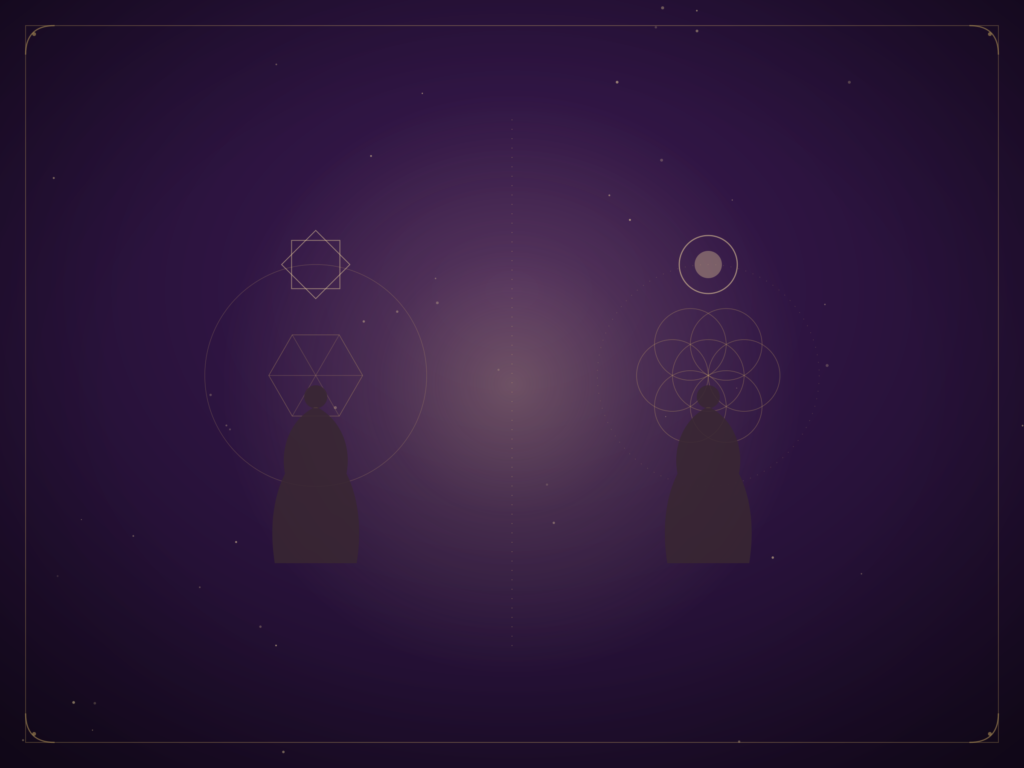
The scientific conversation about near-death experiences is inseparable from a much older philosophical question: what actually is consciousness, and where does it come from? Two broad camps dominate the discussion.
The first, held by many neuroscientists, holds that consciousness is a product of the brain, generated entirely by neural activity. From this view, NDEs are complex biological events, the result of a stressed brain responding to trauma, oxygen loss, and chemical shifts as it approaches death. Neurologist Kevin Nelson is among the researchers who argue that NDEs can be explained within the framework of established neuroscience, without needing to invoke anything beyond known brain function.
The second camp includes researchers who argue that consciousness may not be fully reducible to brain activity, and that it could exist, at least in some form, independently of the physical nervous system. Some point to the vividness, coherence, and emotional consistency of NDE reports as evidence that current neuroscientific models may be incomplete. Neurosurgeon Eben Alexander, who has written extensively about his own near-death experience, is one of the more prominent voices in this camp, arguing that his experience did not fit neatly into standard explanations of brain function during crisis.
This is not a fringe disagreement. It plays out in respected medical journals and academic conferences, and it remains genuinely unresolved. A series of articles published in Missouri Medicine between 2013 and 2015 brought together physicians and scientists examining NDEs from multiple angles, including published evidence reviews, theories of consciousness, and firsthand accounts from doctors who had experienced NDEs themselves. That range of perspectives, from hard data to lived experience, reflects just how much this topic sits at the intersection of measurable science and deeply personal experience, echoing similar tension found in research on intuition and inner knowing.
What This Means in Practice: Talking About and Processing an NDE
For readers who have had a near-death experience, or who know someone who has, the science offers something practical beyond the theoretical debate: validation. Medical researchers increasingly emphasize that NDEs are a real and significant part of many patients’ lived experience, regardless of how the underlying mechanism is eventually resolved.
A few points are worth knowing if you are processing an NDE, your own or someone else’s:
- The need to talk about it is common and healthy. Many people who have had an NDE feel a strong pull to discuss it, sometimes for years afterward. This is a normal response to a profound experience, not a sign that something is wrong.
- The effects can be long-lasting. People frequently describe their NDE as life-changing, sometimes altering their relationship to fear, purpose, or how they want to live, prompting a deeper search for soul purpose in the years that follow.
- Not every NDE is peaceful. While most reported experiences are described as positive, some are distressing or frightening, and a smaller number of people have reported symptoms consistent with post-traumatic stress following an NDE.
- Support matters. Physicians and mental health professionals are increasingly encouraged to ask about and openly discuss NDEs with patients, rather than dismissing them, because open conversation appears to help people integrate the experience rather than carry it in isolation.
If you or someone close to you is working through the emotional aftermath of a near-death experience, seeking out a therapist or counselor familiar with NDE integration, or simply finding a community of others who have had similar experiences, can make a meaningful difference.
Common Questions and Misconceptions
A few misconceptions tend to follow near-death experiences into public conversation. It is worth separating what the evidence actually supports from what has become cultural shorthand.
One common misconception is that NDEs only happen during cardiac arrest. In reality, similar experiences have been documented during general anesthesia, severe blood loss, near-drowning, and other situations where the brain is under extreme physiological stress, not death alone.
Another misconception is that science has “explained away” NDEs as nothing more than hallucination. That overstates where the research actually stands. While hypoxia, brain chemistry, and neural surges are all plausible contributors, no single theory fully accounts for the consistency, clarity, and reported accuracy of some NDE details, which is precisely why the debate over consciousness remains open rather than settled.
Finally, some assume that everyone who comes close to death has an NDE. In fact, most people who survive a close brush with death do not report one at all. The 10% to 20% figure represents a meaningful minority, not the majority experience.
For daily insights on consciousness, clarity, and trusting yourself, explore Bahlon’s free daily transmissions. Subscribe here.
Related Readings:
- The Science of Consciousness: What We Know
- The Hard Problem of Consciousness, Explained Simply
- Consciousness After Death: Navigating the Unknown
Frequently Asked Questions
What does NDE stand for?
NDE stands for near-death experience, a term used to describe the psychological and sensory experiences some people report after coming close to death.
How common are near-death experiences?
Studies estimate that roughly 10% to 20% of people who come close to death report a near-death experience, with rates around 15% to 18% among cardiac arrest survivors specifically.
Is there scientific proof that NDEs mean life continues after death?
No. Science has not proven or disproven that near-death experiences indicate consciousness survives death. Researchers remain divided, with some viewing NDEs as brain-based events and others arguing that the experiences point to something current neuroscience cannot yet fully explain.
Can a near-death experience happen without the heart stopping?
Yes. NDEs have been reported in a range of medical situations beyond cardiac arrest, including during general anesthesia, severe trauma, and other events involving extreme physiological stress.
Why do so many NDE accounts sound similar?
Researchers have documented consistent recurring features, including out-of-body sensations, tunnels of light, life reviews, and feelings of peace, across many independent accounts from different cultures and eras. Why the pattern is so consistent is itself part of the ongoing scientific debate.