Being an empath means walking through the world with a kind of emotional permeability that most people don’t have. Where others notice that a friend seems tense, an empath often feels that tension settle into their own chest, as if it were their own. It’s less a personality quirk than a way of processing the world through other people’s inner lives, and it shapes everything from how someone spends a Tuesday afternoon to how they choose who gets close to them.
That’s the short answer. The longer one requires untangling what science can and can’t confirm, what the term actually describes, and why so many people who relate to it say the experience is both a gift and a genuine strain.
What It Means to Be an Empath
The word “empath” gets used loosely, so it helps to start with what people actually mean by it. In everyday conversation, being an empath is generally described as experiencing other people’s emotions, moods, and sometimes even physical sensations as though they originated inside you, not just observing them from a comfortable distance.
This is a meaningfully different claim than simply being a caring or perceptive person. Someone can be thoughtful, attentive, and emotionally intelligent without ever feeling as though another person’s sadness has become their own. Self-identified empaths describe something closer to porous boundaries between their internal state and everyone else’s. A friend’s grief doesn’t just register as information; it lands as a felt experience, sometimes within seconds of walking into a room.
It’s worth noting up front that “empath” is not a clinical or diagnostic term. You won’t find it in psychiatric manuals. It exists primarily as a lived, self-reported category, one that draws on psychology, spiritual tradition, and personal experience in roughly equal measure. That doesn’t make the experience less real to the people describing it. It simply means the conversation happens in different registers depending on who’s having it, and a fair account has to hold space for both.
How the Empath Experience Actually Works
People who describe being an empath often compare it to an invisible balancing act, one where they’re constantly absorbing ambient emotional energy while trying to figure out which feelings actually belong to them. It’s rarely a clean, deliberate process. Most describe it as automatic, something that happens the moment they enter a shared space rather than something they consciously choose to do.
A few patterns come up again and again in these accounts:
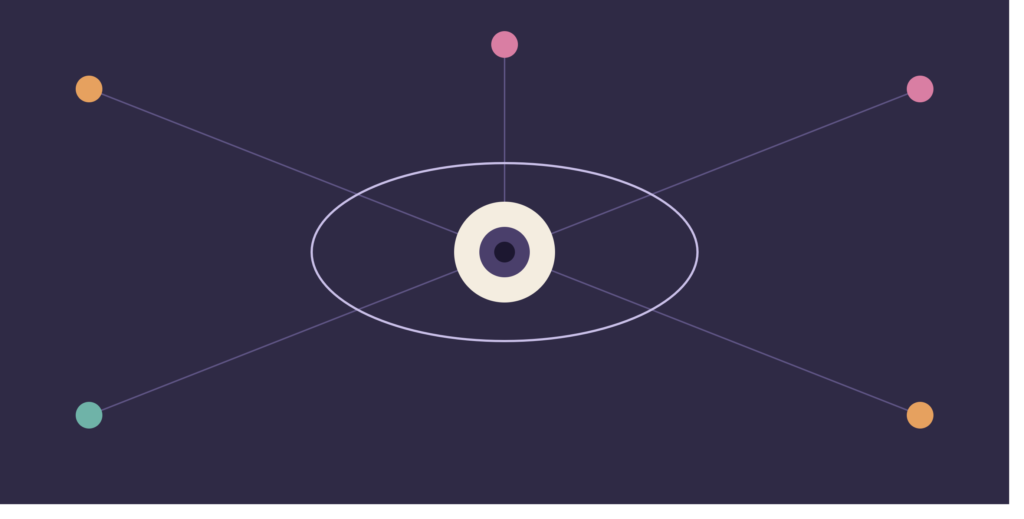
Automatic emotional scanning. Many self-identified empaths say they instinctively read a room the moment they walk in, picking up on tension, sadness, or unease before a single word is exchanged. Some compare the process to a computer quietly running in the background, processing facial expressions, body language, and tone all at once, without being asked to.
A heightened response to eye contact. A striking number of accounts mention that eye contact carries unusual weight, as if it opens a more direct channel to what someone else is feeling. This is one of the more consistent threads across empath traits reported in online communities and personal essays alike.
Sensitivity that doesn’t require physical presence. Distance doesn’t seem to blunt the effect for many empaths. People describe absorbing emotional tone from text messages, social media posts, or even photographs, suggesting that whatever is happening isn’t purely about reading facial cues in person.
Deliberate energetic boundaries. Because the sensitivity can feel involuntary, many empaths develop specific coping strategies: limiting time in crowds, visualizing a protective boundary, or consciously stepping back from emotionally intense conversations. These aren’t decorative rituals. For people managing constant emotional input, they function as practical maintenance.
The Evidence, the Traditions, and the Lived Accounts
A fair treatment of this topic has to separate three different kinds of claims, because they don’t carry the same kind of proof, and pretending otherwise does a disservice to the reader.
What psychological research actually supports. Empathy itself, the capacity to understand and share another person’s feelings, is well studied and grounded in observable neuroscience, including research on mirror neurons and emotional contagion, the well-documented tendency for people to unconsciously “catch” the moods of those around them. Some researchers also study a trait sometimes called Sensory Processing Sensitivity, associated with people who are more deeply affected by sensory and emotional stimuli. This research offers a plausible biological basis for why some people feel emotions more intensely than others. What it does not currently establish is a distinct, measurable category called “empath” with its own defined neurological signature, or claims like sensing emotions from a photograph. That gap between documented empathy and the fuller empath experience matters, and an honest article says so plainly.
What practitioners and spiritual traditions say. Outside clinical research, many wellness practitioners, energy workers, and spiritual teachers describe empaths as people with a heightened capacity to perceive subtle emotional or energetic information, sometimes framed as a form of intuitive or extrasensory perception. These frameworks don’t claim to be peer-reviewed science, and most practitioners are upfront about that. They’re offered as experiential and traditional knowledge, often rooted in decades of practice and observation, and they deserve to be represented on their own terms rather than dismissed or conflated with clinical fact.
What self-identified empaths report firsthand. Then there’s the largest and most consistent body of evidence: personal testimony. Across forums, memoirs, and interviews, self-identified empaths describe remarkably similar experiences, from sudden physical symptoms like headaches or chest heaviness that seem to mirror someone else’s distress, to a felt sense of “becoming” another person emotionally during a deep conversation, sometimes needing days or even weeks to recover afterward. The consistency of these accounts across unrelated communities is itself notable, even in the absence of a controlled study confirming the underlying mechanism.
Taken together, the honest picture is this: emotional sensitivity and empathy are real, measurable, and biologically grounded. The specific, expansive claims some empaths make about sensing auras or reading strangers instantly sit in the territory of personal and traditional experience rather than confirmed science. Both deserve respect. Neither should be mistaken for the other.
The Harder Side of Being an Empath
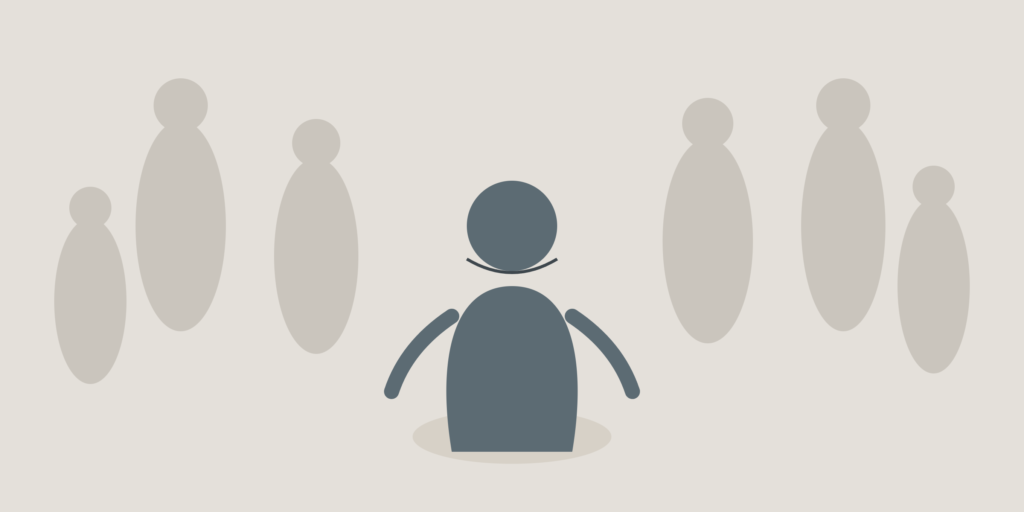
The discomfort that comes with high emotional sensitivity is one of the most consistently reported parts of the experience, and it’s worth naming clearly rather than glossing over it.
Crowds are draining in a specific way. Malls, trains, concerts, and busy streets can turn into an ordeal of overlapping emotional signals. Many empaths describe leaving even a short outing feeling wrung out, not from physical exertion but from the sheer volume of emotional information they absorbed without meaning to.
Physical symptoms can appear out of nowhere. Headaches, stomach discomfort, chest tightness, and unexplained tension are commonly reported, often appearing suddenly in someone else’s presence and dissolving just as quickly once that person leaves. Whether this reflects a direct absorption of another’s discomfort or a stress response to constant emotional vigilance, the physical toll is real either way.
The pull to fix things. Feeling someone else’s pain that intensely can create a strong urge to resolve it, which often means putting other people’s needs ahead of one’s own. Over time, that pattern erodes healthy boundaries and can quietly lead to burnout, especially for empaths who haven’t yet built strategies to protect their own limits.
Becoming the unofficial therapist. People tend to sense who will really listen, and empaths often become the friend everyone confides in. That role can be meaningful, but it also means absorbing emotional weight that was never theirs to carry in the first place.
The Genuine Strengths That Come With It
The difficulty is only half the story, and it would be a thin, unbalanced article that stopped there. The same sensitivity that causes exhaustion also produces qualities that people consistently describe as valuable.
Unusually deep relationships. Many empaths say they can understand a loved one’s emotional state without needing it explained, which tends to build a kind of closeness that’s hard to manufacture any other way.
Sharp intuition. A recurring theme in empath traits is a strong, sometimes instant read on other people’s intentions, honesty, or hidden feelings, often described as simply “knowing” before any conversation confirms it.
Real compassion. Perhaps the most universally praised strength is the capacity to make people feel genuinely seen. Empaths are frequently described as creating safe emotional space for others, offering comfort that feels less performative and more instinctive.
Empath vs. Empathy: Why the Distinction Matters
It’s easy to use these words interchangeably, but they describe different things. Empathy is generally defined as the ability to understand and share another person’s feelings, a capacity most emotionally healthy people have in some measure. Being an empath, as the term is commonly used, describes something more expansive: the sense of directly perceiving another person’s emotional or even physical state, not just understanding it intellectually or emotionally from the outside.
Put simply, an empathetic person recognizes what someone else is feeling. Someone who identifies as an empath often describes actually feeling it themselves, as though the boundary between the two experiences briefly dissolves. This is why not every empathetic person considers themselves an empath, and why the distinction matters if you’re trying to figure out which category actually fits your own experience. If you’re exploring where empathy ends and something more intense begins, it’s worth sitting with your own patterns rather than assuming the labels are interchangeable.
Signs of an Empath: How to Tell If You’re One
If you’re wondering how to tell if you’re an empath, the honest answer is that there’s no single test, only a cluster of patterns that tend to show up together. Common empath signs include:
- Feeling emotionally exhausted after time in crowds, even without anything stressful happening
- Physical symptoms, like tension or headaches, that seem to appear and vanish alongside someone else’s distress
- People frequently opening up to you, often within minutes of meeting
- A strong, fast read on whether someone is being honest, even without concrete evidence
- Needing real recovery time after emotionally intense conversations
- Feeling affected by tone and emotion in text messages or online interactions, not just in person
If several of these feel familiar, it doesn’t necessarily mean something is wrong with you, and it isn’t something that needs to be cured. Many people who relate to this description eventually build practical grounding practices for sensitive people that help them stay engaged with others without absorbing everything indiscriminately.
What You Can Actually Do About It
Being an empath doesn’t have to mean living in a permanent state of overwhelm. The people who manage it well tend to build a small set of consistent habits rather than relying on willpower alone.
Setting time limits in high-stimulation environments, like planning a shorter visit to a crowded event, can prevent the steepest part of the emotional drain. Creating a simple mental or physical boundary, whether that’s a few minutes of quiet before entering a busy space or a deliberate pause after leaving one, gives the nervous system room to reset. Many empaths also find it useful to check in with a basic question after a strong emotional reaction: is this feeling actually mine? That single pause, done consistently, is often enough to prevent the slow slide into burnout that comes from carrying other people’s emotional weight indefinitely.
Learning to say no to constant emotional caretaking is harder, but it tends to matter more than any single technique. If you’re the person everyone confides in, setting emotional boundaries without becoming distant is often the difference between sustainable compassion and quiet resentment.
For daily insights on consciousness, clarity, and trusting yourself, explore Bahlon’s free daily transmissions. Subscribe here to get them delivered straight to your inbox.
Related Readings:
Frequently Asked Questions
Am I an empath, or am I just sensitive?
Sensitivity and being an empath overlap, but they’re not identical. Sensitivity generally describes feeling things intensely; being an empath, as most people use the term, specifically involves feeling as though you’re absorbing someone else’s emotional or physical state rather than just reacting strongly to your own.
What are the most common empath traits?
The most frequently reported traits include emotional exhaustion in crowds, an intense response to others’ pain (sometimes physical), strong intuition about people’s true feelings or intentions, and a tendency to become the person others confide in.
Is being an intuitive empath a scientifically recognized trait?
Not as a distinct clinical category. Empathy and heightened emotional sensitivity are studied in psychology and neuroscience, but “intuitive empath” as a broader concept, including claims like sensing emotions from a distance, remains largely experiential and traditional rather than clinically confirmed.
How do you know if you’re an empath versus just an introvert?
Introversion is about how you recharge, typically through solitude rather than social stimulation. Being an empath is specifically about the intensity and involuntary nature of absorbing others’ emotions. The two can coexist, but they describe different things.
Can you learn to manage being an empath, or is it permanent?
Most people who identify as empaths describe it as a lasting trait rather than something to eliminate, but they also describe real, learnable ways to manage it, from boundary-setting to limiting time in high-stimulation environments, that make the experience far more sustainable over time.