Being born with a veil means a baby arrives partially or fully covered by the amniotic sac, a thin membrane that normally ruptures before delivery. Medically, this is called an en caul birth, and it happens in roughly 1 in 80,000 deliveries. Beyond the biology, cultures around the world have long treated a caul birth as a marker of destiny, intuition, and spiritual protection.
That dual identity, one clinical, one mythological, is what makes this topic so persistent. A midwife sees a harmless membrane that needs to be gently peeled away. A grandmother from Appalachia, Sicily, or West Africa might see something else entirely: a sign that this child arrived already wrapped in protection, already touched by something unseen. Both readings can be true at once, one describing what happened in the delivery room, the other describing what it might mean.
What Does It Mean to Be Born With a Veil?
The amniotic sac cushions a baby throughout pregnancy and typically breaks during labor, an event most people know as “water breaking.” In an en caul birth, that rupture doesn’t fully happen before delivery, so the baby emerges with some or all of the sac still intact around the head, face, or body. In the rarest cases, an infant is born looking as though they’re encased in a thin, glistening bubble.
There is nothing dangerous about this for a healthy delivery attended by trained staff. The membrane is soft, breathable in the moments before removal, and simple to clear away. What has never been simple is the meaning people have attached to it. For centuries, a baby born with a veil over their face was treated as unusual in the deepest sense, someone marked from their first breath.
This is where the phrase “born with a veil meaning” starts to diverge from medicine and enter folklore. Sailors, midwives, healers, and entire communities built belief systems around these births long before anyone understood the biology behind them. That folklore is not something to dismiss outright. It reflects how people across very different places arrived at strikingly similar conclusions: that a caul birth carries significance worth paying attention to.
Signs and Physical Appearance of a Veil Birth
If you’re trying to understand what a veil birth actually looks like, or whether stories about your own birth might point to one, there are a few recognizable markers passed down through both medical records and oral tradition.
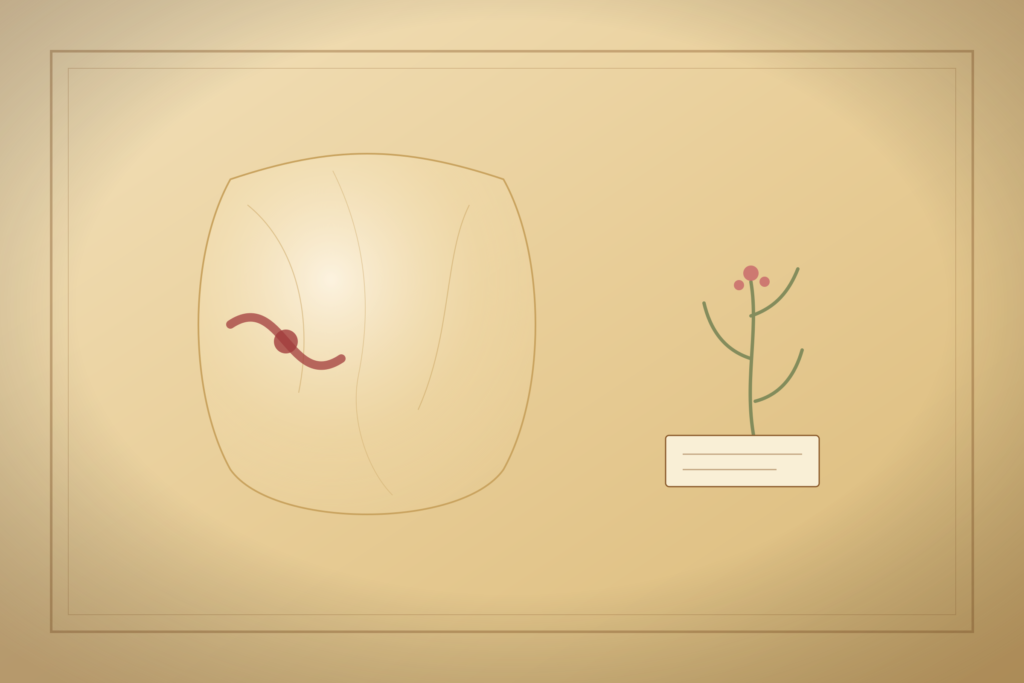
The veil itself. The clearest sign is the thin, translucent, almost shimmering membrane visible over the baby’s head, face, or entire body at the moment of birth. It’s often described as looking like fine gauze or a soap bubble caught in motion.
A notably calm demeanor. Some traditional accounts describe caul-born infants as unusually quiet or serene in their first moments, as though easing into the world rather than startling into it. This observation is anecdotal rather than clinical, but it’s repeated often enough across unrelated cultures to be worth noting.
A preserved caul as a keepsake. Historically, midwives would sometimes dry the membrane flat between sheets of paper and give it to the family as a protective talisman. Families in coastal communities especially treasured these, believing a fragment of the caul could keep a sailor safe from drowning.
Signs You Were Born With a Veil, According to Tradition
Many people who suspect or have confirmed they were born with a veil describe a cluster of traits that folklore has long associated with the condition. None of these are diagnostic, and none are backed by peer-reviewed research, but they form a consistent thread across generations of storytelling.
Distinctive Birthmarks
Some accounts describe purple or blue birthmarks on the face, neck, or top of the head, areas that various traditions link to spiritual energy centers. Not everyone born with a veil reports these marks, and having a birthmark in these locations obviously doesn’t confirm a caul birth on its own. It’s simply one thread woven into the wider folklore.
Heightened Intuitive Sensing
This is probably the most commonly cited trait. People who identify as veil-born often describe a strong sense of knowing, picking up on someone’s mood before a word is spoken, feeling who’s calling before the phone rings, or having a hunch about a situation that later proves accurate. For a deeper look at how these instincts show up day to day, see our guide on learning to trust your intuition. Vivid or recurring dreams are frequently mentioned as well.
A Pull Toward Spiritual and Energy Practices
Many veil-born individuals describe an early, almost involuntary draw toward meditation, energy work, or spiritual counseling, along with a felt sense of the emotional undercurrents in a room or a relationship.
A Sense of Protection
One of the oldest beliefs tied to caul births is that the person carries an invisible shield against negativity, harm, or ill intent. People who hold this belief often point to near-misses or unexplained close calls as evidence, though this is, by nature, an interpretation rather than proof.
Affinity With the Natural World
A noticeable sensitivity to weather shifts, an ease around animals, or a pull toward herbalism and environmental care shows up repeatedly in caul-birth folklore, framed as an alignment with the rhythms of the natural world.
Unexplained Knowing
Some describe a kind of knowledge that arrives without a clear source, details about a place never visited, or a strong instinct about an outcome before it unfolds. Traditional accounts frame this as an internal compass rather than a supernatural claim to be tested.
Spiritual and Cultural Significance Across Traditions
What makes the meaning of being born with a veil so rich is how differently, and how similarly, cultures have interpreted it.

In parts of Europe and Appalachia, caul births were tied to what folklore calls “the gift of second sight,” an ability to perceive what others cannot. In several African traditions, caul-born children are referred to as good luck children, seen as a blessing not just for themselves but for their entire family. Sailors across multiple seafaring cultures treasured dried caul fragments as talismans against drowning, a belief so widespread it shaped superstitions in maritime communities for generations.
Not every tradition frames the caul as purely fortunate. Some regional folklore, including certain Romanian beliefs, carries more complicated or even cautionary associations, a reminder that meaning is shaped by culture, geography, and history rather than a single universal script. Presenting this fairly means acknowledging that the caul has never had one fixed interpretation. It has always been read through the lens of the community holding the story.
Practical Steps If You Believe You Were Born With a Veil
If you suspect you were born with a veil, whether through a family story, a birth record, or a lifelong pattern of unusual intuition, there are concrete ways to explore that possibility.

Look into your birth history. Contact the hospital or midwife involved in your delivery, request official birth records, and ask relatives who were present what they remember. In some families, the caul itself was preserved and passed down.
Work with your intuition deliberately. Meditation, breathwork, and simple energy-sensing exercises are commonly recommended starting points. Paying closer attention to gut feelings, and tracking how often they turn out to be accurate, can help you separate genuine intuition from wishful thinking.
Keep a dream journal. Recording dreams immediately after waking, even fragments, allows patterns and recurring symbols to surface over time. Some people find that certain dreams later seem to connect with real events, though correlation here is subjective and worth approaching with a critical eye. If this resonates, our piece on interpreting recurring dream symbols offers a useful starting framework.
Seek an experienced mentor. Spiritual teachers, energy healers, or intuitive practitioners can offer structure and perspective as you explore these experiences. Trusting your own instincts when choosing a mentor matters, particularly if you consider yourself highly sensitive to your surroundings.
Practice energy protection. Grounding exercises, visualization, smudging, and tools like black tourmaline are commonly used by people who feel unusually porous to the moods and energy of others. These practices are about creating a felt sense of safety, not a scientifically validated shield. Our guide to simple daily grounding techniques walks through several approaches for beginners.
Common Questions and Misconceptions
A few misunderstandings come up often enough to address directly.
An en caul birth is dangerous. In reality, it’s a well-documented, generally harmless variation of birth, and hospital staff know exactly how to manage it.
Everyone born with a veil has psychic abilities. Folklore associates caul births with heightened intuition, but this is a belief system, not a clinical finding. Plenty of people learn later in life that they were born with a veil and never felt particularly different.
The sensitivity described in this folklore is always positive. Traditional accounts are honest about the flip side. Many veil-born individuals describe feeling overwhelmed by other people’s emotions, struggling to separate their own feelings from what they sense around them, or feeling isolated when others don’t share or believe their experiences. The heightened sensitivity described in this folklore is often framed as something to work with and understand, not simply celebrate.
For daily insights on consciousness, clarity, and trusting yourself, explore Bahlon’s free daily transmissions. Subscribe here.
Related Readings:
- Types of Psychic Abilities Explained
- Select Intuitive Insights: Your Secret Superpower for Success
- Am I an Empath? 15 Signs to Look For
Frequently Asked Questions
What does it mean to be born with a veil?
It means a baby was born with part or all of the amniotic sac still covering their head, face, or body, an event known medically as an en caul birth. Spiritually, many cultures interpret it as a sign of protection, intuition, or destiny.
How rare is it to be born with a veil?
En caul births occur in approximately 1 in 80,000 deliveries, making them one of the rarer birth presentations a delivery team will encounter.
What does a veil over the face mean spiritually?
Traditions vary, but common interpretations include divine protection, heightened intuitive or psychic ability, good fortune, and a strong spiritual connection that carries throughout the person’s life.
Can you find out if you were born with a veil?
Yes. Birth records, hospital staff involved in the delivery, or family members present at the birth are the most reliable sources. Some families also kept the dried caul itself as a memento.
Is being born with a veil always considered a good sign?
Mostly, yes, but not exclusively. Alongside the folklore around luck and protection, many traditions acknowledge real challenges, including emotional overwhelm and a sense of feeling different from others, especially without support or a framework for understanding the experience.