Hearing someone call your name when nobody is there is common, and it usually comes from how the brain processes sound, memory, and the edge of sleep. Many traditions also read it as something more, from a message from a loved one to a sign of heightened intuition. Both views are worth understanding, and neither one cancels the other out.
What Is Happening When You Hear Your Name Called?
Most people can recall a moment like this. You are washing dishes, drifting off in bed, or walking through a quiet house, and a voice says your name. You answer, or turn around, and no one is there.
The experience is usually brief and often startlingly clear. The voice may sound like a stranger’s, or it may be unmistakably your mother, a partner, or a friend. Some people hear it as a sound in the room. Others describe it as arriving inside the mind, closer to a thought with a voice attached.
Researchers call experiences like this auditory hallucinations when they happen without an outside source. That label sounds clinical, but the term describes the experience rather than a diagnosis. Reviews of population studies suggest that a meaningful minority of healthy adults, often estimated at several percent and sometimes higher depending on how the question is asked, report hearing a voice at some point in their lives. Hearing someone call your name is among the most common forms.
So the first thing to know is that you are in large company. The second is that the explanation depends on when it happened, how often it happens, and what else is going on in your life.
Why Do I Hear My Name Being Called? The Science
The brain is built to listen for your name
Your own name is one of the most privileged sounds your brain processes. In classic attention research, listeners focused on one stream of speech still noticed their own name in an ignored stream far more often than other words. This is sometimes called the cocktail party effect: even when you are not consciously listening, part of your auditory system stays on watch for personally relevant signals.
That watchfulness has a side effect. A brain tuned to catch your name will occasionally catch something that only resembles it.
Auditory pareidolia
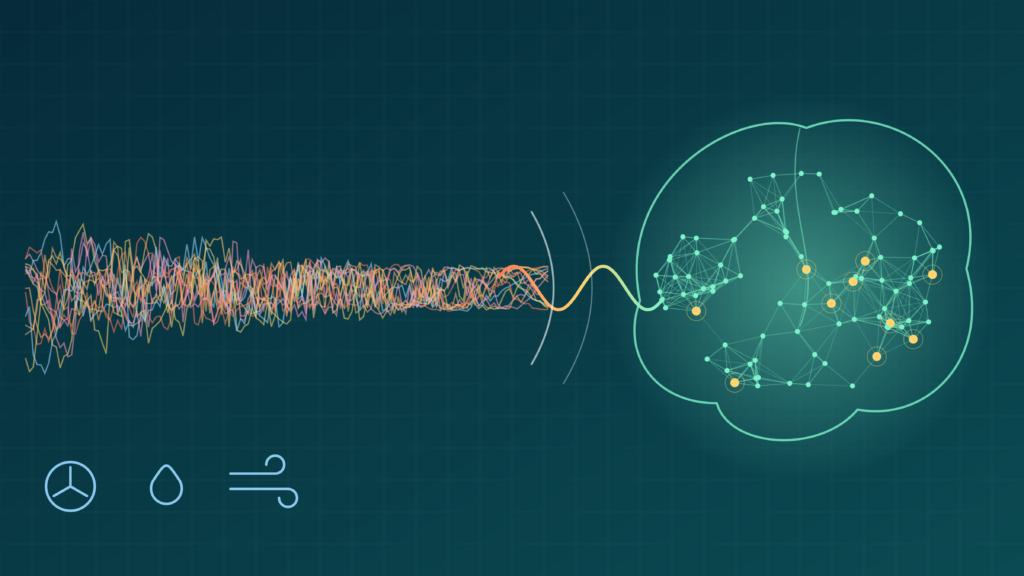
Pareidolia is the tendency to find familiar patterns in vague input, like faces in clouds. It has an auditory version. Running water, a fan, wind in a vent, or a distant television can produce a rhythm of sound that your brain resolves into a word, and no word is more likely to be resolved than your name.
This is why hearing your name called often happens in places with steady background noise, such as showers, cars, and kitchens. The sound was real. The voice was assembled by your brain.
Memory replaying a familiar voice
The brain stores the voices of people who say your name most often, such as parents, partners, and close friends. Those traces can occasionally replay without a trigger, especially when you are relaxed, absorbed in something else, or thinking about the person. The result can feel like a person is calling from the next room when the voice is actually a memory surfacing.
Hypnagogic and hypnopompic experiences
If you have been hearing your name called while sleeping, or just as you drop off, this is the most likely explanation. Hypnagogic hallucinations occur during the transition into sleep, and hypnopompic ones occur on waking. During these windows, the brain is partly in dream mode while still aware of the outside world, so dream-like sounds and voices can slip into waking awareness.
Hearing your name is one of the classic versions. These experiences are considered a normal feature of sleep and are reported by a substantial share of the general population, not only by people with sleep disorders.
Stress, fatigue, and sleep loss
Sleep deprivation, anxiety, and emotional strain all change how the brain filters sound. People who are exhausted or under pressure are more likely to report brief auditory misperceptions. In this context, the experience does not point to illness. It often functions more like a signal that the system is overloaded.
Grief
Bereavement deserves its own mention. Studies of widowed people, beginning with research in the early 1970s and repeated since, have found that a large proportion report sensing, seeing, or hearing their late spouse, sometimes hearing their name called in a familiar voice. Clinicians generally treat these experiences as a common part of grief rather than a symptom of disorder. Many people also find them comforting. Whether you understand that comfort as memory, love, or contact is a question the research itself leaves open.
When It’s Worth Talking to a Professional
Hearing your name once in a while does not, on its own, point to a medical or mental health condition. Context matters more than the experience itself.
It is reasonable to speak with a doctor or mental health professional if:
- The experience happens very frequently or is increasing
- You hear voices saying more than your name, especially commands or comments about you
- It causes significant distress or interferes with work, sleep, or relationships
- It comes with confusion, paranoia, severe mood changes, or substance use
- It began after a head injury, a new medication, or a serious illness
Auditory experiences can be linked to neurological conditions, certain medications, and mental health conditions, including psychotic disorders. Early support makes a real difference. Seeking an evaluation is a sensible step, not an admission that anything is wrong with you.
The Spiritual Meaning of Hearing Your Name Called
For many people, a scientific explanation is accurate and still incomplete. Across spiritual traditions, being called by name carries deep significance, and the experiences below are described by practitioners and communities rather than established by laboratory evidence. They are presented here as what they are: beliefs and lived accounts that have shaped meaning for many people.
Clairaudience and heightened intuition
In many contemporary spiritual communities, hearing voices or sounds without a physical source is described as clairaudience, often translated as “clear hearing.” Those who identify with it describe receiving words, names, or phrases that feel distinct from ordinary thought.
Practitioners often associate it with traits such as sensitivity to noise, a need for quiet, a strong response to music, learning best by listening, a creative temperament, and being the person others confide in. Some also include ringing in the ears. These are traditional associations, not validated tests, but many people find the language helpful for making sense of how they perceive the world.
A message from a deceased loved one
Where the voice is familiar, many people understand it as a sign from someone who has died. In traditions that hold that the dead remain close to the living, a name spoken in a loved one’s voice may be read as reassurance, a greeting, or a reminder of continued connection. The experience cannot be verified from the outside, but its emotional meaning is real to those who have it.
Guides, angels, and ancestors
Some traditions hold that angels, spirit guides, or ancestors use a person’s name to get their attention, since a name is tied closely to identity. In this view, being called is an invitation to pay attention: to your surroundings, your thoughts, a decision you have been avoiding, or a sign that appears soon afterward.
Those traditions also note that communication need not arrive as a voice. The same guidance might come through recurring symbols, animals, or timely coincidences, and the form may vary from person to person and change over time.
Spiritual awakening
People going through a period of intense inner change often become more attentive to subtle sensations and sounds. Within awakening frameworks, hearing your name, ringing in the ears, or a sense of being watched over may be read as signs of growing awareness. Practitioners often suggest treating such moments as prompts for reflection rather than as instructions.
A note on dreams and the Islamic view
Many people ask about the spiritual meaning of someone calling your name in a dream, and about hearing someone call your name while sleeping from an Islamic perspective. In Islamic tradition, dreams are commonly understood to fall into categories: true or good dreams regarded as coming from God, disturbing dreams attributed to Shaytan, and dreams that reflect the mind’s own daily concerns. Many Muslims also hold that jinn exist and can affect human experience, and some scholars advise reciting protective supplications and seeking refuge in God before sleep.
Interpretations differ between schools, scholars, and communities, so anyone seeking guidance on a specific experience is best served by speaking with a knowledgeable teacher from their own tradition.
Folklore and Cultural Cautions

Not every tradition treats a voice calling your name as friendly. Jamaican folklore speaks of duppies, spirits that may linger among the living. Stories from many regions describe entities that imitate familiar voices to lure people outdoors. A widespread piece of traditional advice says not to answer an unfamiliar voice that calls your name in the dark and not to go outside to investigate.
These are cultural teachings passed down through generations, and they carry the wisdom and the fears of the communities that kept them. They are not established evidence of supernatural activity, but they remind us that humans everywhere have found this experience significant enough to build rules around.
How to Make Sense of the Experience
You do not have to choose between a scientific reading and a spiritual one. Many thoughtful people hold both: the brain produces the experience, and the meaning they take from it is their own. A few practical steps can help.
Note the context. Were you tired, stressed, half asleep, near background noise, or grieving? Patterns often reveal the most likely explanation.
Check the basics. Regular sleep, less caffeine, and managing stress reduce many of these episodes. If hearing your name called while sleeping happens often, improving sleep routines is a good first step.
Pause before acting. Whatever your beliefs, there is no need to respond urgently. A calm acknowledgement is enough.
Keep a short journal. Record the time, place, voice, and what was happening in your life. Over a few weeks, patterns tend to emerge. If your tradition includes interpretation, a record gives you something concrete to reflect on.
Stay open without forcing meaning. Some experiences resolve into clear explanations. Others stay mysterious. Both are acceptable outcomes.
Related Readigs:
For daily insights on consciousness, clarity, and trusting yourself, explore Bahlon’s free daily transmissions. Subscribe here.
Frequently Asked Questions
Is hearing someone call your name a sign of mental illness?
Not by itself. Hearing your name once or occasionally is common and usually linked to normal brain activity, sleep, or stress. Frequent episodes, additional voices, or significant distress are good reasons to consult a professional.
Why do I keep hearing my name when I’m alone?
Repeated episodes often trace back to fatigue, stress, background noise, or the sleep transition. If they become more frequent or troubling, a medical check can rule out other causes.
What does hearing a female voice call your name mean spiritually?
Interpretations vary. Some traditions read a female voice as a maternal figure, a guide, or an ancestor, particularly if it sounds familiar. Others see it as a symbol of nurturing intuition. These are traditional readings and cannot be confirmed from the experience alone.
Why does it happen while I’m falling asleep?
This is typically a hypnagogic hallucination, a normal sensory experience at the edge of sleep when dream activity begins to blend with waking awareness.
Should I answer if I hear my name called in the dark?
Practically, you don’t need to do anything urgently. Some folk traditions advise against answering an unfamiliar voice, while others see the call as friendly. Follow what fits your beliefs, and make sure you are safe.