Radical acceptance is the practice of fully acknowledging reality exactly as it is, without denying it, fighting it, or demanding that it be different. It comes from Dialectical Behavior Therapy, where it’s taught as a distress tolerance skill for moments when something painful has already happened and cannot be undone. In this context, “radical” doesn’t mean extreme; it means complete, total, all the way through.
That distinction matters more than it might seem. Most people encounter the phrase and assume it’s asking them to be at peace with something unjust, or to stop caring, or to just get over it. It’s none of those things. It’s closer to putting down a weight you didn’t realize you were carrying with both arms while also trying to walk forward.
What Radical Acceptance Actually Means
Pain is unavoidable. Loss happens, diagnoses arrive, relationships end, decisions get made without your input. None of that is optional. But there’s a second layer that sits on top of unavoidable pain, and that layer is optional: the mental and emotional resistance to the fact that the painful thing occurred at all.
Psychologist Marsha Linehan, who developed DBT in the late 1980s to treat people with intense emotional dysregulation, drew a distinction that has since become one of the more widely borrowed ideas in clinical psychology: pain plus resistance equals suffering. The pain of a breakup is real and often unavoidable. The suffering that comes from three months of replaying arguments, rehearsing what you should have said, and asking “why did this happen to me” is a separate thing entirely, and it’s the thing radical acceptance targets.
Radical acceptance, in practice, means:
- Acknowledging what is true in the present moment, even when it’s unwanted.
- Accepting facts without layering judgment on top of them.
- Ending the internal argument with something that cannot be changed.
- Recognizing that something happened without pretending it was fine.
- Redirecting the energy that resistance consumes toward whatever can still be influenced.
None of this makes the original pain vanish. What it does is stop the second wave of suffering that resistance tends to generate on top of it.
Radical Acceptance Meaning: Why “Radical” Doesn’t Mean Extreme

A lot of confusion around the radical acceptance definition starts with the word itself. In everyday speech, “radical” suggests something drastic or fringe. In this clinical context, it comes closer to its Latin root, radix, meaning root or foundation. Radical acceptance is acceptance all the way to the root, not a partial or conditional version of it.
This is worth sitting with, because half-acceptance is one of the most common ways people get stuck. Someone might say, “Fine, I accept it,” while their body stays tense, their thoughts keep circling back to what should have happened, and their behavior doesn’t shift at all. That’s acceptance in language only. The DBT version asks for something more complete: mind, body, and behavior all aligned with the fact of what’s true, rather than fighting a losing battle against it.
It’s also worth being precise about what radical acceptance is not, because the misconceptions tend to cause more resistance to the practice itself than the original pain does.
It is not approval. Accepting that something happened doesn’t mean you’re glad it did, agree with it, or think it was fair. You can fully accept that a relationship ended without ever believing it should have.
It is not condoning harm. Accepting the reality of abusive or harmful behavior is not the same as excusing it. In fact, clear acceptance of what happened is often a precondition for taking protective action, rather than an alternative to it.
It is not passivity. This is probably the most persistent myth. Radical acceptance doesn’t ask anyone to stop trying to change what can still be changed. It’s specifically aimed at things that have already happened or genuinely cannot be altered right now. Seeing a situation clearly, without the fog of resistance, is often what makes effective action possible in the first place.
It is not forgiveness. You can accept that someone behaved badly without forgiving them, and the two processes don’t have to happen on the same timeline, or at all.
It is not wallowing. Sitting in difficult emotions indefinitely isn’t acceptance either. Radical acceptance is a deliberate, active choice to stop the fight, not a passive resignation to staying stuck in pain.
How Radical Acceptance Works: The Mechanics of Letting Go of a Fight You Can’t Win

Fighting a fact that cannot be changed still consumes real emotional energy, even though it changes nothing about the fact itself. Someone stuck on a canceled project, a missed opportunity, or a decision that’s already final will often know, intellectually, that there’s nothing left to do. But knowing something and feeling settled about it are two different processes, and the emotional resistance can persist long after the logical case for accepting it is closed.
That resistance tends to show up in recognizable patterns: replaying the event on a loop, rehearsing “should have” scenarios, feeling a low hum of bitterness or anger, silently arguing with a situation that has no ears to hear the argument, or repeatedly asking why it happened. None of this changes the outcome. What it does is keep the nervous system in a low-grade state of alarm, using up energy that could otherwise go toward whatever comes next.
Radical acceptance works by interrupting that loop. Instead of “why did this happen,” the internal question shifts to “what do I want to do now.” That’s a small linguistic shift with a fairly large practical effect, because the first question has no productive answer and the second one always does.
Within DBT’s structure, this skill sits in the distress tolerance module, one of four core skill sets alongside mindfulness, emotion regulation, and interpersonal effectiveness. It’s closely tied to mindfulness in particular. Mindfulness brings attention to what’s happening right now; radical acceptance takes that observed present-moment reality and stops fighting it.
Evidence and Perspectives: What Research and Clinical Practice Say
Radical acceptance has a clearer research trail than most self-help concepts, largely because it originates inside a formally studied therapeutic model rather than a wellness trend.
Within DBT, distress tolerance and mindfulness skills have been studied for their effects on emotion regulation and anxiety, with meaningful improvements reported even among people who don’t have borderline personality disorder, the population DBT was originally designed to treat. That broader applicability is part of why the skill has migrated so widely into general therapy practice.
Acceptance also functions as a core process in Acceptance and Commitment Therapy, a related but distinct model developed independently. ACT doesn’t aim to eliminate difficult thoughts or emotions; it aims to change a person’s relationship to them, building what researchers call psychological flexibility, the capacity to hold difficult internal experiences while still moving toward what matters. Acceptance-based approaches in this tradition have shown improvements that can continue after treatment ends, which suggests the skill keeps compounding rather than fading once therapy stops.
Mindfulness-based interventions add a third line of support. These approaches emphasize observing experience without immediately reacting to it, and the acceptance component, allowing an experience to simply be observed rather than resisted, is considered central to how these interventions produce change.
One of the more striking evidence bases involves chronic pain. Research in this area has found that accepting pain, rather than continually fighting it, is associated with improvements in physical function and quality of life. This doesn’t mean the pain becomes smaller. It means the resistance that often accompanies chronic pain, the constant mental battle against a sensation that isn’t going away, adds a separate layer of suffering that acceptance can reduce even when the underlying condition doesn’t change.
Alongside the clinical research, there’s a long tradition of practitioner and contemplative accounts describing acceptance as a lived, embodied process rather than a purely intellectual one, something closer to a practiced posture toward life than a single insight. That experiential dimension isn’t something a randomized trial can fully capture, and it’s worth naming honestly as a complementary layer to the clinical evidence rather than folding the two together.
How to Practice Radical Acceptance
Radical acceptance is a skill, not a one-time realization. Most people need to return to it repeatedly, sometimes for the same situation, over weeks or months.
1. Notice when you’re fighting reality. Resistance often shows up physically first: a clenched jaw, a tight chest, a knotted stomach. Mentally, it shows up as “should” and “why” thoughts, replayed conversations, or a low current of bitterness. Naming this as resistance, rather than just discomfort, is the first step.
2. Acknowledge the facts without judgment. State what happened as plainly as possible: “This happened.” “This is the situation.” Separate the bare fact from the judgment layered on top of it, like “this is unfair,” which may be true but is a different statement.
3. Remind yourself the situation has already happened. A simple phrase like “this is what is” can anchor this. The event exists in the past now, and resisting that fact doesn’t move it.
4. Acknowledge the causes. Recognizing that a chain of prior events led to this moment can loosen the sense that reality “shouldn’t” be this way. It is this way because of everything that came before it.
5. Turn your mind toward acceptance. DBT calls this “turning the mind,” a deliberate redirection back toward acceptance every time resistance resurfaces. It’s not a single decision but a repeated one.
6. Use coping statements. Short anchors like “I cannot change this fact” or “I can choose what I do next” won’t erase difficult feelings, but they give the mind somewhere to land when resistance creeps back in.
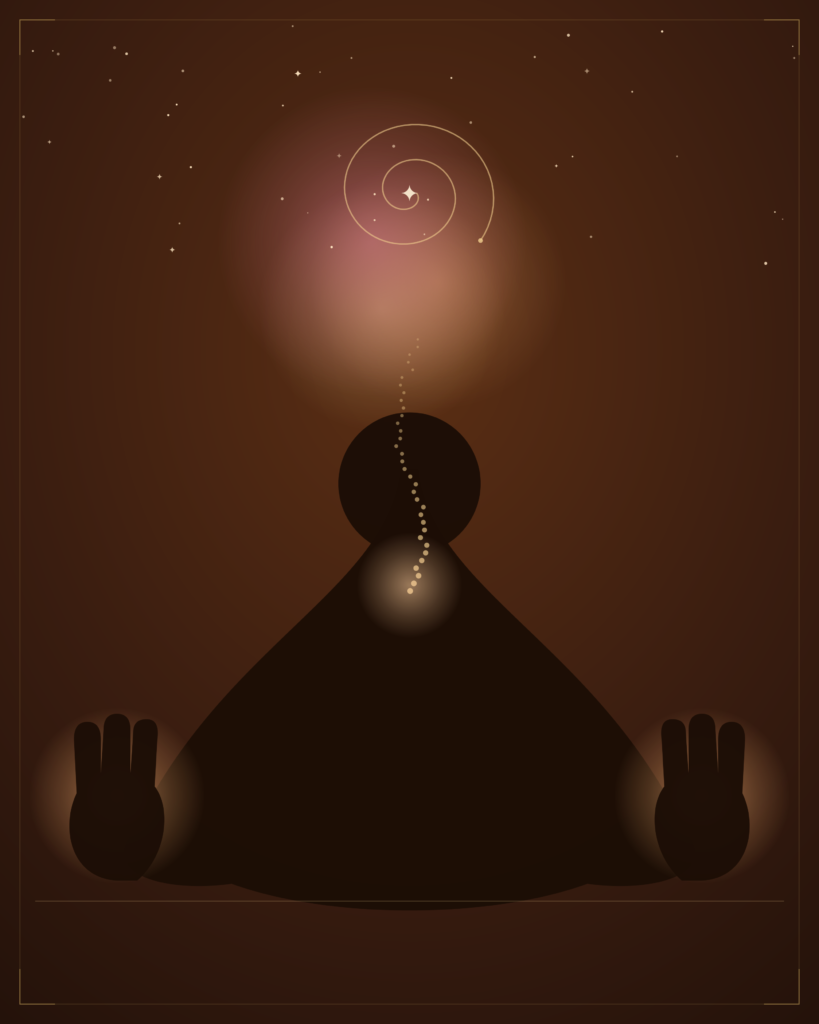
7. Use your whole self. Acceptance isn’t purely cognitive. Deep breathing, relaxing the posture, a half-smile, or open upturned palms (sometimes called “willing hands” in DBT) can signal acceptance to the body as well as the mind.
8. Act as if you’ve already accepted the facts. List the behaviors you’d engage in if you had fully accepted the situation, then start doing them, even before the feeling of acceptance fully arrives.
9. Allow the difficult emotions to exist. Acceptance doesn’t require sadness, grief, or anger to disappear. Letting those feelings move through, rather than immediately pushing them away, is part of the practice rather than a failure of it.
10. Practice self-compassion. Frustration at not being able to accept something right away is common, and it’s simply one more thing to accept rather than a sign the skill isn’t working.
Examples of Radical Acceptance in Everyday Life
Grief. Accepting that someone is gone isn’t the same as “getting over it.” It means letting the reality of the loss exist instead of constantly pushing against it, which can allow grief and healing to coexist rather than compete.
Relationships. Accepting a partner’s limitations doesn’t mean settling. It means seeing clearly what someone can and can’t offer, which allows for decisions made from clarity instead of ongoing frustration, whether that decision is to stay, adjust expectations, or leave.
Career setbacks. Not getting a job, a canceled project, harsh feedback, or a workplace decision that’s already final are all situations where resistance keeps a person stuck replaying what happened, while acceptance allows the information to be absorbed and acted on.
Chronic pain and health. As the research above suggests, accepting a diagnosis or ongoing pain doesn’t mean liking it. It means redirecting the energy spent fighting it toward function and quality of life instead.
Common Misconceptions About Radical Acceptance
The biggest one, worth repeating because it causes the most resistance to the practice itself, is the belief that acceptance equals approval or surrender. It doesn’t. A person can fully accept that a relationship ended, that a diagnosis is real, or that someone behaved harmfully, while still working toward change, still seeking justice, still grieving, and still setting boundaries. Acceptance clears the fog so those next steps can be taken with more clarity, not less resolve.
For daily insights on consciousness, clarity, and trusting yourself, explore Bahlon’s free daily transmissions. Subscribe here.
Related Readings:
- Mindfulness vs. Transcendental Meditation: A Comparative Study
- Nurturing Self-Compassion: Compassion Starts Within
- How to Trust the Timing of Your Life
Frequently Asked Questions
What is radical acceptance in simple terms?
It’s fully acknowledging a painful reality, without denial or resistance, while still allowing yourself to feel whatever comes up and to act on what you can still change.
Does radical acceptance mean I have to forgive someone?
No. You can accept that something happened, including harmful behavior, without forgiving the person responsible. The two are separate processes on separate timelines.
Is radical acceptance the same as giving up?
No. It’s specifically aimed at things that already happened or cannot currently be changed. It doesn’t ask anyone to stop pursuing goals or stop trying to change what’s still within reach.
How long does it take to radically accept something?
There’s no fixed timeline. It’s often practiced repeatedly for the same situation, sometimes over weeks or months, rather than achieved in a single moment.
Where does radical acceptance come from?
It originates in Dialectical Behavior Therapy, developed by psychologist Marsha Linehan, as part of its distress-tolerance skill set, and shares conceptual ground with Acceptance and Commitment Therapy and mindfulness-based approaches.