A spiritual cleansing bath is a ritual soak, usually built around salt and warm water, in which you set an intention to release stress, emotional heaviness, or energy that feels stagnant. People practice it to mark a transition, reset after a draining stretch, or simply make room for stillness. You need little more than a tub, some salt, and about half an hour.
What Is a Spiritual Cleansing Bath?
Bathing has been more than hygiene for a very long time. Many cultures treat water as a threshold, something you pass through to leave one state and enter another. Ritual immersion appears in Jewish mikveh practice, in the Hindu tradition of bathing in sacred rivers, and in Shinto purification rites, where salt is scattered to mark clean ground. In Ayurveda, water is regarded as a balancing element. Afro-diasporic and folk traditions, including Hoodoo, Santería, and Latin American curanderismo, use herbal and flower baths, sometimes called a white bath when white flowers and pale ingredients are chosen for peace and renewal.
A spiritual cleansing bath borrows from this wide inheritance. It is distinct from an ordinary soak because of the framing. You prepare the space, choose a purpose, and treat the bath as a deliberate ritual rather than something squeezed between obligations. Practitioners describe turning to a spiritual cleansing bath when they feel emotionally drained, mentally restless, affected by other people’s moods, or heavy after a crowded day.
It helps to be honest about what kind of claim this is. The practice rests on tradition and personal experience, and it can be meaningful without being presented as a medical treatment.
How a Spiritual Cleanse Works: The Aura, Salt, and Intention
Spiritual traditions often describe an aura, an energetic field that surrounds the body. In this view, daily life leaves residue on it, the way dust gathers on skin. Tense conversations, crowded rooms, grief, and overwork are all said to leave a sense of density behind. A spiritual cleanse, whether through bathing, smoke, sound, or prayer, aims to lift that residue and restore a feeling of balance.
Salt holds a special place in this picture. It preserves, it purifies, and it has been valued as a protective substance in many cultures for thousands of years. Using it in bathwater extends that symbolism to the body. Many practitioners describe the salt as drawing out what is heavy, while the water carries it away.
Ayurveda adds another lens through the idea of Ojas, the subtle essence of vitality, resilience, and calm. When Ojas is considered depleted, a person is said to feel tired, anxious, and emotionally exposed. Bathing practices inspired by this concept emphasize nourishment and softness: warm water, gentle fragrance, unhurried time.
Whatever tradition you draw from, most agree on one point. The ingredients matter less than the intention you bring. Without attention, a spiritual cleansing bath is a warm soak. With it, many people find it becomes something more.
What the Evidence Says About Salt Baths and Ritual
Claims about auras and energetic purification sit outside what laboratory science can currently measure, so they belong in the category of belief and tradition. But several parts of a spiritual cleansing bath do have research behind them.
Warm water and rest. A 2019 systematic review and meta-analysis in Sleep Medicine Reviews found that bathing in warm water roughly one to two hours before bed was associated with falling asleep faster and better sleep quality. Warm water also relaxes muscles and can ease the physical tension that accompanies stress.
Ritual and anxiety. Researchers at Harvard Business School, including Alison Wood Brooks, have reported that performing a structured ritual before an anxiety-provoking task reduced anxiety and improved performance in experimental settings. A bath with a clear beginning, middle, and end fits that pattern well.
Mindful attention. Slow breathing and focused awareness are well studied as ways to calm the nervous system. Both are built into the ritual below.
Epsom salt and magnesium. Epsom salt is magnesium sulfate, and it is popular for sore muscles. Evidence that meaningful amounts of magnesium absorb through the skin during a bath is limited and mixed. Sea salt and Himalayan salt contain trace minerals, but the quantities in bathwater are small. Many people enjoy the feel of mineral-rich water, and the pleasure is real even where the physiological claims are unproven.
In short, a spiritual cleansing bath may help partly through well-understood mechanisms such as heat, quiet, and focus, while its spiritual dimensions remain a matter of personal and traditional meaning. You can hold both without any contradiction.
Spiritual Bath Ingredients: What You Need
The foundation is simple. Everything beyond it is optional.
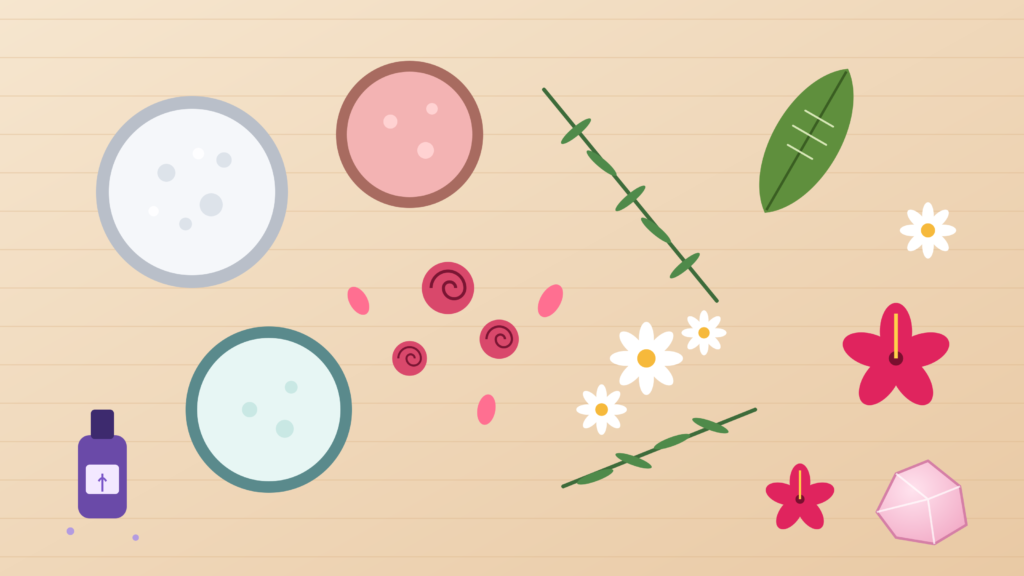
Salt. The central ingredient. Common choices:
- Sea salt, widely used in cleansing and purification practices.
- Himalayan pink salt, a popular alternative for ritual baths.
- Epsom salt, favored in relaxing soaks for its feel and its use for tired muscles.
A typical beginner amount is half a cup to one cup per bath, depending on the salt and the tub size.
Warm water. Aim for comfortably warm, not scalding. Very hot water tends to work against relaxation.
Optional additions. These are the spiritual bath ingredients people use to personalize the ritual:
- Rosemary, traditionally linked with clarity and protection.
- Chamomile, associated with calm and rest.
- Hibiscus, used in some bathing traditions for balance.
- Dried rose petals, symbolizing love, devotion, and emotional softness.
- Bay leaf, on which you can write an intention before adding it to the water.
- Essential oils, such as lavender or citrus, a few drops at most.
- Rose quartz, a crystal associated with self-compassion and emotional healing.
If protection is your focus, rosemary is the classic herb for a spiritual bath for cleansing and protection. If your focus is tenderness toward yourself after a hard season, rose petals and rose quartz suit that intention well.
Spiritual Cleansing Bath Ritual for Beginners, Step by Step
You do not need experience or special tools. What you need is a little preparation and a willingness to slow down.
1. Prepare the space. Start with a clean tub and a tidy bathroom. Leave your phone outside. Light a candle if you like and, if music helps, choose something soft and instrumental.
2. Prepare the water. Fill the tub with warm water and stir in your salt until it dissolves. Add any herbs, petals, or a few drops of essential oil.
3. Set your intention. Before you step in, decide what you want to release or invite. Perhaps it is a tense week, a lingering argument, or a general sense of heaviness. Some people say a short phrase aloud, such as “I release what no longer serves me and welcome peace into my life.” Use your own words if they feel truer.
4. Soak. Settle in for 15 to 30 minutes. Breathe slowly, let your shoulders drop, and notice the water’s warmth. When thoughts arrive, let them pass without chasing them. If you like visualization, imagine heaviness softening and dissolving into the water.
5. Release. Before you stand, pause. As the water drains, picture what you set down leaving with it. Many practitioners say a closing phrase here, such as “I release everything that no longer serves my highest good. I welcome peace, clarity, and renewal.”
6. Rinse and close. Take a brief freshwater shower to remove salt and oils. Dry gently, drink a glass of water, and give yourself a few quiet minutes rather than going straight back to screens or work.
If you have no bathtub, the same ritual adapts well. A basin of salted warm water for the feet and hands, or a cleansing shower in which you stand under the water with the same intention and visualization, carries the same spirit.
When to Take a Spiritual Bath
People turn to this practice at different moments:

- After an emotionally difficult day, when work or relationships have left you wrung out.
- After crowded or intense environments, when you feel you have absorbed other people’s energy.
- During seasons of transition, such as a move, an ending, or a new beginning.
- After an eclipse, which several traditions view as a time of energetic change, when old patterns and unresolved feelings are said to surface.
- As regular self-care, perhaps weekly, to create a dependable pocket of reflection.
There is no universal schedule. Many beginners start with once a week or whenever they feel the need, and adjust from there.
Precautions and Care
A spiritual cleansing bath is gentle, but a few sensible precautions apply.
- Skin sensitivity. Do a patch test if your skin is sensitive. Avoid any ingredient you are allergic to, and skip salt soaks if you have open cuts or irritated skin.
- Essential oils. Use them sparingly and always diluted in the bath, never applied neat. Some oils are unsuitable during pregnancy or around pets.
- Temperature. Keep the water comfortably warm. Very hot baths can cause dizziness, especially when standing up.
- Health conditions. If you are pregnant or have a heart condition, high blood pressure, or diabetes, check with a healthcare professional before taking long warm baths.
- External use only. Bath ingredients are not for drinking.
- Plumbing and tub care. Rinse the tub afterward. Salt and plant matter can build up, so use a strainer for petals and herbs.
- Crystals. Some stones, including certain varieties that dissolve or release particles in water, are best kept out of the bath. Check your stone, or rest it beside the tub instead.
Common Misconceptions About Spiritual Baths
“It has to be elaborate.” It does not. Salt, warm water, and a clear intention are enough. Added ingredients are personal choices, not requirements.
“It replaces medical or mental health care.” A spiritual cleansing bath can complement support for stress, sadness, or exhaustion, but it is not a substitute for professional care when you need it.
“There is one right way.” Traditions differ widely in their ingredients, words, and timing. What matters is that your approach feels sincere and respectful to you, and that you are honest about its roots when you borrow from a tradition that is not your own.
“Nothing happened, so it failed.” Some people feel lighter immediately. Others notice only a quiet sense of having paused. Both are valid. The ritual’s value often shows up in the hours and days afterward.
For daily insights on consciousness, clarity, and trusting yourself, explore Bahlon’s free daily transmissions. Subscribe here.
Related Readings:
- How to Stop Being a People Pleaser: A Spiritual Approach
- How to Raise Your Vibration: Simple Daily Practices
- Spiritual Signs You Met Your Soulmate
Frequently Asked Questions
How often should I take a spiritual cleansing bath?
Most beginners start with once a week or after particularly draining experiences. There is no fixed rule, so let your own needs guide the rhythm.
What salt is best for a spiritual cleansing bath?
Sea salt, Himalayan pink salt, and Epsom salt are all commonly used. Sea salt is the most traditional for cleansing, while Epsom salt is favored for muscle relaxation. Choose the one that feels right to you.
Can I do a spiritual cleanse without a bathtub?
Yes. A foot soak in salted warm water or a mindful shower with the same intention and visualization works in much the same way.
Is a spiritual cleansing bath safe for everyone?
It is gentle for most people, but those with sensitive skin, open wounds, pregnancy, or heart or blood pressure conditions should check with a healthcare professional first.
How long should a spiritual cleansing bath last?
Fifteen to thirty minutes is typical. Long enough to settle, short enough to stay comfortable.