Soul ties are deep emotional, spiritual, or physical bonds between two people, the kind of connection that feels as though it reaches beneath ordinary attraction or friendship. The idea comes from spiritual and some Christian traditions, where a soul tie describes a link between souls, while psychology explains similar experiences through attachment, bonding, and shared emotional history. Whether you see a soul tie as a sacred bond or a powerful human attachment, understanding it can help you tell a nourishing connection from one that keeps you stuck.
What Are Soul Ties? Meaning and Types
The meaning of soul ties shifts depending on who is describing them. In spiritual and New Age circles, a soul tie is a bond that joins two people at a level deeper than personality or circumstance. Therapist De-Andrea Blaylock-Solar describes it as a connection that feels deeply embedded in your soul. Professional intuitive Tanya Carroll Richardson notes that traditions explain such bonds in several ways: two people may have known each other in a past life, belong to the same soul family, or have agreed to a soul contract to meet in this lifetime.
Soul ties are not reserved for romance. The same sense of significance can arise with a friend who appears at a pivotal moment, a relative you feel inexplicably close to, a business partner whose vision matches yours, a mentor, or even a rescue animal that seems meant for your home. What unites these experiences is the feeling of being recognized by someone in a way that exceeds easy explanation. Many people simply call this a soul connection.
Four Types of Soul Ties
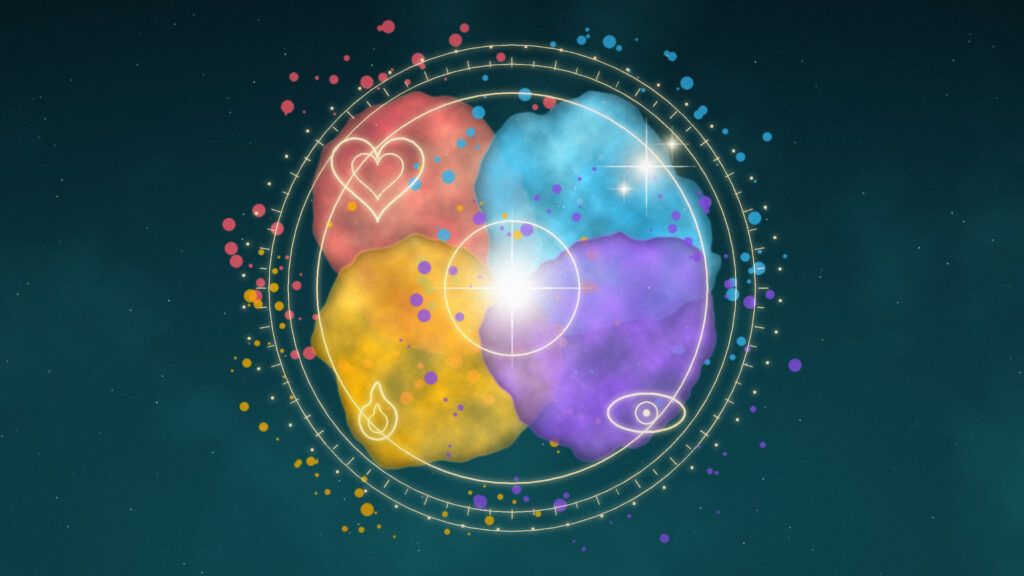
Emotional soul ties grow through vulnerability, shared hardship, and mutual comfort. Two people who see each other at their most unguarded often form a bond that outlasts the circumstances that created it.
Physical or sexual soul ties are linked in several traditions to physical intimacy, which is believed to join two people’s energies or souls. Psychology reads the closeness that follows intimacy as ordinary bonding, though the two views can sit side by side for people who hold both.
Mental soul ties form through conversation, curiosity, and shared ideas. When someone understands how you think and sharpens your perspective, the bond can feel as strong as any romantic one.
Spiritual soul ties are rooted in shared faith, common values, or a sense of purpose, as though two people were brought together for a reason.
Are Soul Ties Real? Spiritual Views, the Bible, and Research
Soul ties are a spiritual concept, and no scientific study has established a literal bond between souls. That is an honest summary of the evidence, not a verdict on anyone’s experience. The feelings people describe are real and well documented. What differs is the explanation, which depends on tradition, belief, and personal experience.
Soul Ties in the Bible
The phrase “soul tie” does not appear in the Bible. The idea that sexual intimacy creates a lasting spiritual connection gained traction in Christian teaching during the 1970s and 1980s, often supported by passages about two people becoming one flesh. For many believers it offers a meaningful framework for taking intimacy seriously. Blaylock-Solar adds a psychological reading: the belief can be an over-spiritualization of normal emotional attachment, since closeness after sex does not necessarily mean two people are spiritually joined.
What Psychology Adds
Researchers have studied the territory soul ties describe under other names. Attachment theory, developed by John Bowlby and extended to adult romantic relationships by Cindy Hazan and Phillip Shaver in the 1980s, shows that partners can become a primary source of safety and comfort. Biological anthropologist Helen Fisher’s brain imaging work found that early romantic love activates dopamine-rich reward circuits, and that people who have been rejected show activity in regions linked to craving and attachment. A 2011 study led by Ethan Kross found that intense social rejection activates brain areas that overlap with those involved in physical pain, which may help explain why a lost bond can feel like a bodily wound.
Two other concepts matter here. Trauma bonding, first described by Donald Dutton and Susan Painter in the early 1980s, refers to attachment that deepens when affection and harm alternate. Codependency involves relying on another person so heavily that your own needs and independence recede. Both can feel exactly like a destined connection from the inside, which is why telling them apart is worthwhile.
Signs You Have a Soul Tie

Soul ties are usually described through a cluster of experiences rather than a single test. These seven signs come up most often in spiritual discussion. They are experiential markers, not diagnostic criteria.
- You feel connected on a deeper level. The person seems to understand you in a way that goes beyond attraction or friendship.
- They stir strong emotions. You may feel instantly at ease, unusually curious, or intensely drawn. Richardson observes that such bonds can amplify difficult feelings as well as pleasant ones.
- They feel familiar. You have only just met, yet it seems you have known them for years. Some interpret this as recognition from a past life.
- You feel they complete you. This one deserves caution. Blaylock-Solar notes that feeling incomplete without someone can point to an attachment wound rather than a healthy spiritual bond.
- The relationship feels one of a kind. The passion, the shared project, or the new experiences it opens seem unlike anything before.
- They arrived at a pivotal time. They appeared during a struggle, a transition, or a search for guidance. Richardson suggests reflecting on what was happening in your life when you met and what they brought into it.
- Something feels missing when they are gone. Emptiness, difficulty accepting an ending, and a strong pull to reconnect are common.
People searching for the symptoms of soul ties sexually often describe lingering thoughts, a sense of emotional entanglement, or difficulty moving on after a physical relationship ends. These overlap closely with ordinary attachment after intimacy, so both spiritual and psychological readings may apply.
Soul Tie vs. Twin Flame
A soul tie is a broad term for any deep spiritual connection, whether with a lover, friend, or relative. A twin flame refers to a specific belief that one soul splits into two people who are each other’s other half. In that sense a twin flame can be seen as one kind of soul tie, but most soul ties are not twin flame relationships, and a soul tie does not mean two people are destined to be together.

When Soul Ties Become Unhealthy
Not every soul tie is harmful. Many are loving and help both people grow. A connection becomes unhealthy when it shifts into emotional dependence, obsession, or imbalance. Common warning patterns include:
- Losing your individuality: your identity narrows to being someone’s partner, and your own interests and needs fade.
- Emotional dependence: happiness, security, or a sense of wholeness seems to come only from them.
- One-sided attachment: one person is far more invested than the other.
- Staying despite distress: you keep returning to a relationship that hurts.
- Triggered attachment wounds: the bond stirs old fears of abandonment.
Learning your own attachment style can help you spot these patterns and voice your needs more clearly. A spiritual connection is also not an obligation. Richardson points out that some relationships naturally end, and a bond does not need to last to have mattered. Respecting another person’s free will, including their choice not to continue, is part of honoring a connection.
How to Break Soul Ties
Learning how to break soul ties starts with recognizing the attachment, creating distance, and rebuilding emotional independence. Whether you view the bond spiritually or psychologically, the aim is the same: release an unhealthy connection and regain your footing. If you are wondering how to break a soul tie, these steps combine practical and spiritual approaches.
- Reduce contact. Block numbers if needed, unfollow on social media, and stop checking on them. Every reconnection reopens the wound.
- Soften your triggers. Photos, gifts, letters, and old messages can pull you back. You can store or delete them rather than discard everything in a rush.
- Acknowledge and grieve. Be honest about what the relationship was, including the harmful parts, and allow sadness, anger, and loneliness. Avoid editing the past into only its best moments.
- Set firm boundaries when contact is unavoidable. With a co-parent or family member, keep conversations brief and practical. The grey rock method, staying calm, neutral, and unreactive, can limit emotional entanglement.
- Reclaim your identity. Return to hobbies, friends, goals, and self-care. The point is a life that does not revolve around one person’s presence or approval.
- Seek support. Depending on your beliefs, that might mean prayer, forgiveness practices, meditation, trusted friends, or counseling. A therapist can help you understand the attachment patterns that make certain people hard to leave. Learning to trust yourself again is central to this work.
A Meditation Ritual for Release
Richardson describes a simple practice for symbolically releasing a relationship without contacting the person. Sit quietly in meditation. If it fits your beliefs, invite angels or spirit guides to be with you. Bring the person to mind, address their soul, and tell them sincerely that you wish them happiness and that you are ready to move forward separately. The belief is that although their physical ears will not hear you, their soul will. This is a spiritual practice rooted in personal belief rather than a scientifically established method, and many people find it brings a sense of closure alongside therapy or other support.
Common Misconceptions About Soul Ties
“Soul ties are always romantic.” They can form with friends, family, colleagues, and pets.
“A soul tie is always toxic.” Many are nourishing. Trouble begins with dependence, obsession, or loss of self.
“A soul tie means we must stay together.” A strong bond is not a binding contract. You are free to leave an unhealthy relationship, and so is the other person.
“Breaking a soul tie means erasing someone.” Release is not erasure. You can honor what a person meant to you while ending the ties that keep you stuck.
Every connection teaches us something about who we are. For daily insights on consciousness, clarity, and trusting yourself, explore Bahlon’s free daily transmissions.
Related Articles:
- Vivid Dreams During Spiritual Awakening: What They Mean
- How to Trust Yourself When Life Feels Uncertain
- The Science of Twin Flames: Psychology and Metaphysics
Frequently Asked Questions
What are the signs of a soul tie?
Commonly described signs include feeling deeply connected, unusual familiarity, strong emotional reactions, a relationship that feels one of a kind, meeting at a pivotal time, and feeling that something is missing when the person is gone.
Are soul ties real?
They are a spiritual concept with no scientific proof as a literal bond. The attachments people feel are real, and researchers study them through attachment theory and neuroscience.
Are all soul ties toxic?
No. Many are supportive and encourage growth. They become problematic when they involve emotional dependence, obsession, or a loss of personal identity.
Can you have a soul tie with someone who is not your romantic partner?
Yes. Spiritual interpretations include soul ties with friends, family members, coworkers, mentors, business partners, and even pets.
How long does it take to break a soul tie?
There is no fixed timeline. It depends on the relationship, the strength of the attachment, and the time and support you need to heal.