Being an empath in a relationship means feeling your partner’s moods, stress, and emotional state almost as if they were your own, which can deepen intimacy but also leave you drained, overextended, and unsure where your feelings end and theirs begin. For many empaths, love arrives with a hidden cost: the more open they are to another person’s inner world, the harder it becomes to protect their own. Understanding why this happens, and what to do about it, is the difference between a relationship that depletes an empath and one that lets them thrive.
What It Means to Be an Empath in a Relationship
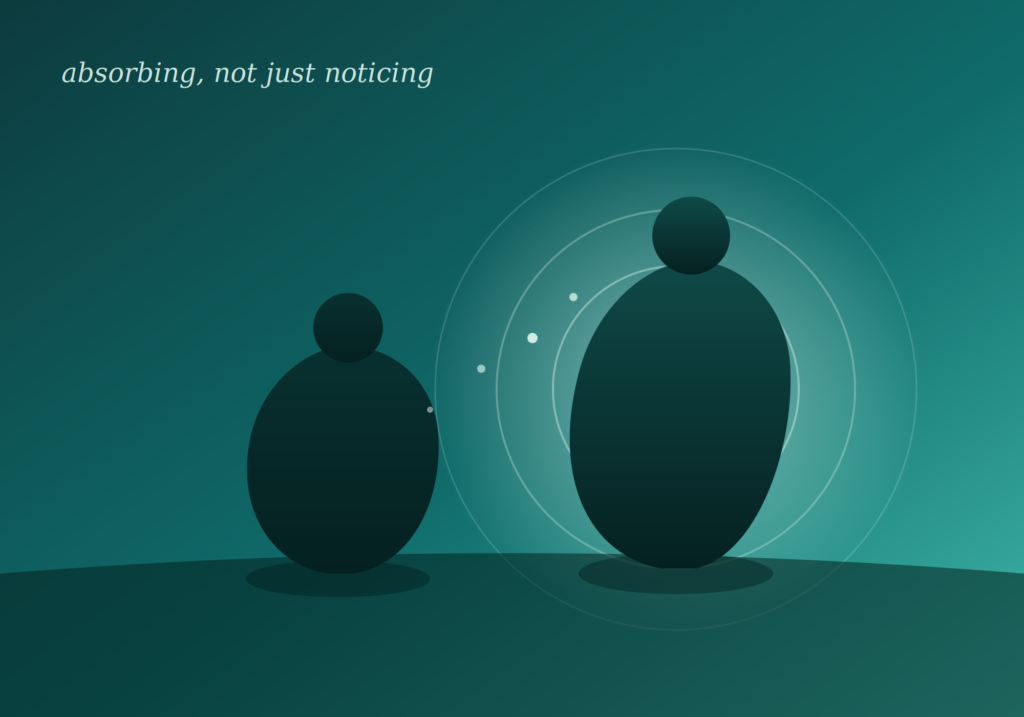
An empath is generally described as someone who absorbs the emotions, energy, and moods of the people around them rather than simply observing those feelings from a distance. In a romantic partnership, this shows up as an unusually strong sensitivity to a partner’s inner state. A quiet sigh, a tense shoulder, a slightly clipped tone of voice, these can register for an empath the way a shout would for someone else.
This trait overlaps with, but isn’t identical to, being a highly sensitive person (HSP), a term coined by psychologist Elaine Aron to describe a nervous system that processes sensory and emotional information more deeply than average. Roughly 15 to 20 percent of people are thought to fall into this category. “Empath,” by contrast, is a more experiential and often spiritually framed term used by many people to describe a felt sense of merging with another person’s emotions, not just noticing them. Both descriptions point to the same core reality for an empath in a relationship: emotional information from a partner doesn’t stay at arm’s length. It gets in.
Common characteristics of an empath in a relationship include picking up on unspoken tension before a partner says a word, feeling physically tired after emotionally heavy conversations, and struggling to separate “I am upset” from “my partner is upset and now so am I.” These empath traits aren’t flaws. They’re often what makes an empath a remarkably attentive, generous, and emotionally present partner. The difficulty is that the same openness that creates closeness can also create exhaustion if it isn’t managed.
How Emotional Absorption Works in a Relationship
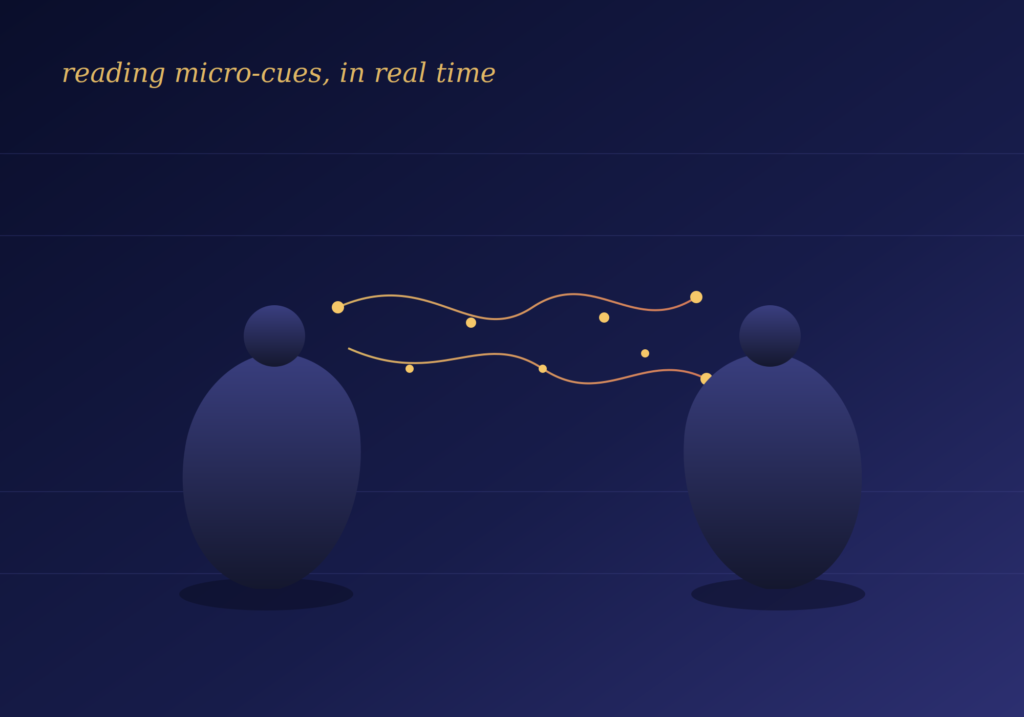
The mechanics of this experience are worth understanding, because they explain why willpower alone rarely solves the problem. When an empath is close to a partner, particularly one they love and see regularly, they tend to pick up on subtle cues: posture, breathing, tone, micro-expressions, and shifts in energy that most people register only faintly, if at all. For an empath, those cues can land with the force of a direct emotional experience.
Over time, and especially in a long-term relationship where two people share a home, a bed, and a daily rhythm, this constant exposure can blur emotional boundaries. An empath may start a day feeling calm, then absorb a partner’s frustration about work within minutes of them walking through the door, and by evening find it difficult to say which feelings were originally theirs. This is sometimes called emotional enmeshment, and it’s one reason many empaths describe relationships as feeling less like two separate people connecting and more like two emotional systems merging without an off switch.
It’s worth being honest about the limits of the science here. There is solid research on sensory processing sensitivity and on emotional contagion, the well-documented tendency for people to unconsciously mirror the emotions of those around them. What’s far less studied, and largely outside the scope of controlled research, is the specific claim that some people absorb energy in a more literal or metaphysical sense. Many empaths describe that experience as real and central to their lives, and this article treats that description with respect, while also noting where the evidence is experiential rather than clinical.
Common Relationship Challenges for Empaths
Emotional Overwhelm
A partner’s bad day can become an empath’s bad day, disrupting sleep, mental clarity, and a sense of inner steadiness. This isn’t oversensitivity in the dismissive sense; it’s a genuine physiological and emotional response to absorbed stress, and it’s one of the most common challenges an empath in a relationship will recognize immediately.
The Caretaker Trap
Many empaths feel a pull to fix, soothe, or rescue the people they love. Left unchecked, this can tilt a relationship into an uneven dynamic: the empath becomes the emotional caretaker, the partner becomes used to being managed or rescued, and support flows mostly in one direction instead of both.
Conflict Avoidance
Because empaths feel a partner’s discomfort so acutely, they often suppress their own needs to keep the peace. Boundaries go unspoken, disagreements get swallowed, and over time this pattern breeds quiet resentment rather than the harmony it was meant to protect.
Sensory and Energy Depletion
Constant togetherness, however loving, can feel like too much input for an empath’s nervous system. Without regular time to decompress, they may feel suffocated, anxious, or overstimulated, even in a relationship they genuinely want to be in.
Why Some Empaths Feel Lonely Even in Relationships
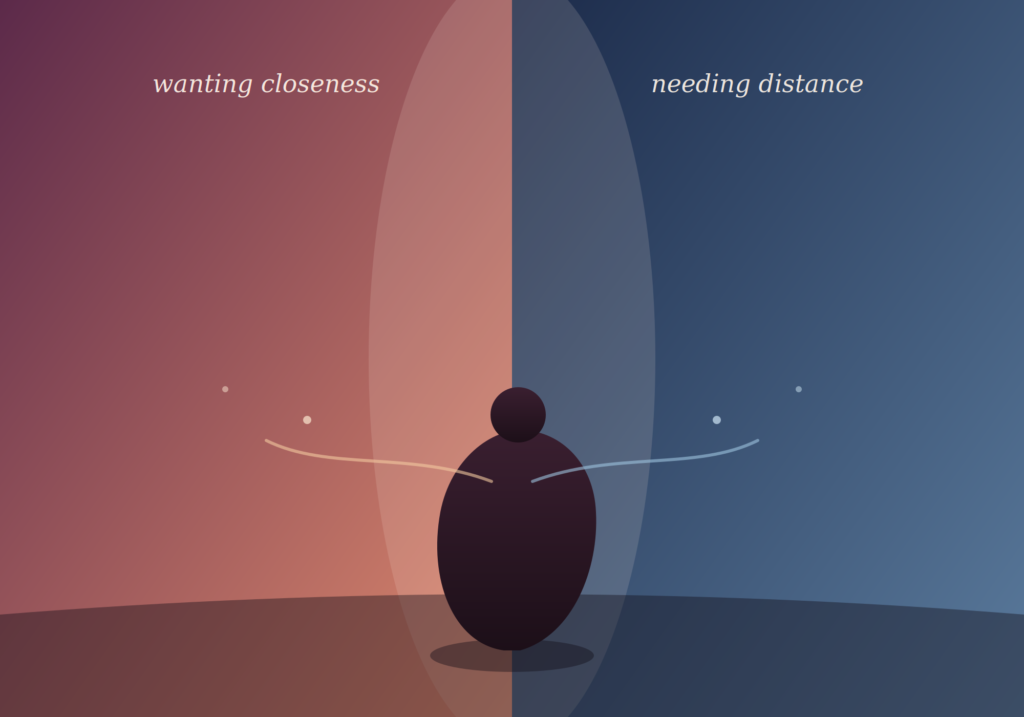
This is one of the more paradoxical parts of the empath experience. Many highly sensitive and empathic people want deep companionship and stay single for long stretches, or they’re partnered and still feel chronically overwhelmed and isolated. This isn’t necessarily about a shortage of good partners or personal instability. It often comes down to how physically and emotionally costly closeness can be for an empath in a relationship, even one they genuinely value.
The result is a genuine contradiction: empaths want love, connection, and companionship, but relationships don’t always feel safe to their nervous system. Some avoid commitment altogether. Others end relationships early, sensing the engulfment before they can name it. Still others stay in long-term relationships while feeling quietly trapped, wanting closeness and personal space in what feels like equal and conflicting measure. Learning to set boundaries doesn’t eliminate this tension, but it does make intimacy feel more sustainable, which is often the missing piece.
Practical Tips for Empaths Navigating Relationships
Set Boundaries Around Emotional Responsibility
Feeling a partner’s emotions is not the same as being responsible for fixing them. This distinction, simple to state and genuinely hard to practice, is one of the most protective habits an empath can build. Acknowledging a partner’s pain without absorbing the job of resolving it keeps the relationship equal rather than lopsided.
Protect Alone Time as Non-Negotiable
Solitude isn’t a luxury for an empath; it’s maintenance. Time in nature, a quiet walk, or simply sitting alone with no input from another person helps clear emotional buildup before it turns into overwhelm. Framing this time as essential, rather than optional or antisocial, tends to reduce the guilt that often comes with asking for it.
Communicate Needs Before Resentment Builds
Naming overstimulation, the need for quiet, or a preference for different sleep arrangements, clearly and early, prevents small frustrations from calcifying into bigger conflicts. It also helps to explicitly separate the need from the relationship itself: wanting space is not a rejection of a partner, even though it can feel that way to someone who isn’t wired the same way.
Rethink Shared Space and Sleep Arrangements
Traditional expectations, like sharing a bed every night or spending nearly all downtime together, don’t automatically work for empaths. Some find that separate rooms, a private workspace, or sleeping apart on certain nights meaningfully improves their emotional regulation, even in an otherwise strong relationship. This often requires compromise, since a partner may feel lonely with less physical closeness, but the conversation itself tends to build more trust than avoiding it does.
Build In Mini-Breaks
Not every reset requires a weekend alone. Stepping outside for five minutes during a gathering, taking a short walk, or retreating to a quiet room for a few minutes can be enough to prevent a full emotional shutdown later.
Choose Partners Who Respect Sensitivity Early
Discussing this trait honestly while getting to know someone tends to filter relationships naturally. A partner who dismisses the need for space or treats it as a personal slight is signaling an incompatibility worth taking seriously before the relationship deepens.
If you’re still working out whether these patterns describe you specifically, it can help to start with the foundational question many people ask first: signs you might be an empath, which walks through the traits that tend to show up earliest.
Common Misconceptions About Empaths in Relationships
One persistent misconception is that empaths simply need to “toughen up” or that their sensitivity is a communication failure rather than a genuine difference in how they process emotional input. Another is the opposite extreme: that empaths are fragile and unsuited to long-term partnership. Neither is accurate. The research on sensory processing sensitivity suggests this trait is a stable, normal variation in temperament, not a deficit, and plenty of empaths build lasting, secure relationships once they understand how to work with their sensitivity instead of against it.
It’s also worth distinguishing empath traits from anxious attachment, which can look similar on the surface. Someone with an anxious attachment style often seeks closeness out of fear of abandonment, while an empath’s need for space usually comes from sensory and emotional saturation, not fear. The two can coexist, but they call for different approaches, and untangling which pattern is driving a given reaction is often useful groundwork. For readers exploring how sensitivity intersects with attachment patterns, this comparison of highly sensitive traits and attachment styles is a useful next step.
For daily insights on consciousness, clarity, and trusting yourself, explore Bahlon’s free daily transmissions.
Related Readings:
- What It’s Really Like Being an Empath
- Am I an Empath? 15 Signs to Look For
- How being an empath changes as you get older
Frequently Asked Questions
How do I know if I’m an empath in my relationship, and not just a highly sensitive partner?
There’s meaningful overlap between the two, and many people are both. A useful marker is whether you regularly struggle to separate your own emotions from your partner’s, feeling their stress, sadness, or anxiety almost as your own rather than simply noticing it in them. That’s typically the clearest sign of being an empath in a relationship, as opposed to simply being a considerate or attentive partner.
Is being an empath a real psychological trait or a spiritual concept?
It depends on the framing. Sensory processing sensitivity, the closest clinically studied concept, has solid research behind it. The broader idea of “empath,” especially claims about literally absorbing energy, is more often described in spiritual or experiential terms, and this article treats both perspectives honestly rather than picking a side.
Can two empaths have a healthy relationship together?
Yes, though it often requires extra intentionality around alone time, since neither partner will naturally push for more space than the other. Many empath couples do well precisely because both understand the need for boundaries without having to explain it from scratch.
What are the clearest empath signs to watch for in a relationship specifically?
Absorbing a partner’s mood shifts almost instantly, feeling drained after emotionally intense conversations, avoiding conflict to keep a partner comfortable, and needing regular solitude to reset are among the most consistently reported patterns.
Does needing space mean the relationship isn’t working?
Not necessarily. Needing space is a trait, not a verdict on the relationship. What matters more is whether both partners can talk about that need openly and build routines that respect it without either person feeling rejected or suffocated.