Ancestor veneration is the practice of honoring deceased family members through remembrance, ritual, and offerings, often alongside a belief that the relationship between the living and the dead continues. It appears in nearly every region of the world, from the grave-sweeping rites of China to the marigold-covered altars of Mexico. The forms differ widely, but the impulse is shared: to keep faith with those who came before.
What Is Ancestor Veneration? Meaning and Definition
The simplest ancestral veneration definition is this: a cultural and spiritual practice of respecting, remembering, and sometimes seeking guidance from deceased relatives. It can involve prayer, festivals, family gatherings, grave visits, and household shrines. It can also be quiet and private, such as lighting a candle beside a photograph.
Students searching for the ancestor veneration definition in an AP World History context will usually meet it through early Chinese civilization. Shang dynasty rulers addressed their royal ancestors through oracle bones, asking for counsel on harvests, warfare, and illness. Later, Confucian thought wove the practice into the ethic of filial piety, the idea that obligation to parents does not end at death.
Four ideas recur wherever ancestor veneration is found:
- Continuity: Family is a chain running through past, present, and future generations.
- Gratitude: The living inherit lives, names, and skills that earlier generations paid for.
- Connection: In many traditions, ancestors remain present and interested in their descendants.
- Transmission: Stories, recipes, customs, and values are carried forward through ritual.
Even the plain veneration meaning, reverent respect, tells you something. The word points toward esteem and care rather than fear or submission.
Ancestor Veneration vs. Ancestor Worship
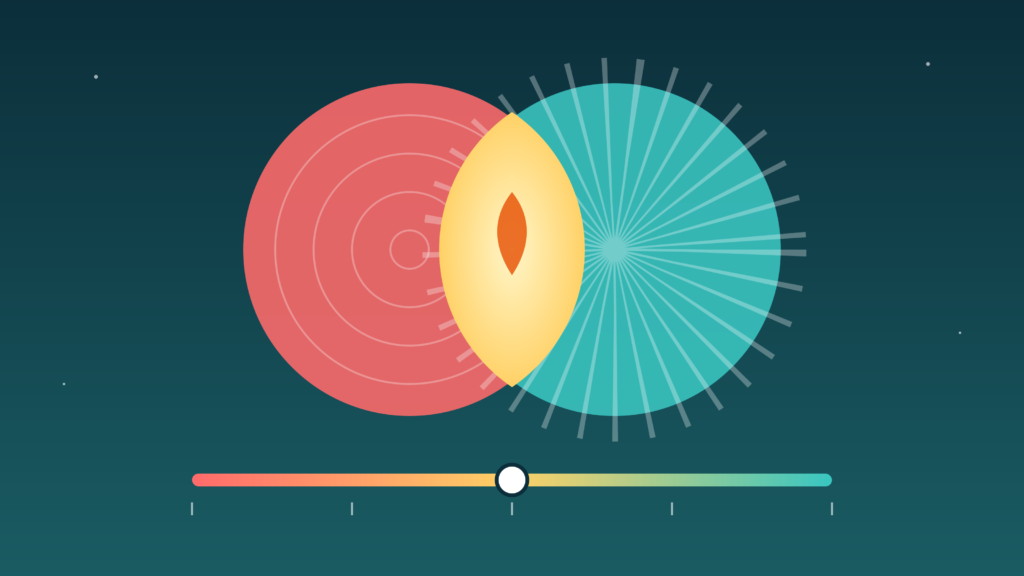
The terms ancestor worship and ancestor veneration are often used interchangeably, and in everyday speech that is understandable. Scholars, however, tend to separate them, and many practitioners do too.
Ancestor worship can suggest religious adoration, as though the dead were gods. Ancestor veneration emphasizes respect, remembrance, and relationship. A family in Taipei offering tea at an ancestral tablet generally does not consider the grandparent a deity. They are honoring a person who still belongs to the family.
The line is not universal, though. Beliefs vary between cultures and even between households. Some people who describe themselves as worshiping ancestors mean something closer to deep reverence, and some traditions do attribute real spiritual power to the dead. A fair reading is that both terms describe real points on a spectrum, and the best guide is how the practitioners themselves describe what they do.
Ancestor Veneration Practices Around the World
The range of ancestor veneration practices around the world is striking. A few well-documented examples show how differently the same impulse can be expressed.
China: Qingming and the Ancestral Tablet
During the Qingming Festival, also called Tomb Sweeping Day and observed in early April, families travel to ancestral graves. They clear weeds, tidy the site, and set out food, tea, or wine. Incense is burned, and many families burn joss paper or paper models of houses and cars, symbolically supplying ancestors with comfort in the afterlife.
At home, some families keep ancestral tablets, which act as a focal point for remembrance. Rooted in Confucian filial piety and folk religion, the festival is as much a family reunion as a rite.
Japan: Obon and the Butsudan
Obon, observed in summer, is associated with the belief that ancestral spirits briefly return to visit their families. Families visit graves, make offerings of flowers, fruit, and drink, and join Bon Odori dances to welcome the spirits. Lanterns are floated on rivers or the sea in a ceremony called toro nagashi, guiding spirits back to their resting places.
Daily practice centers on the Butsudan, a household Buddhist altar where incense, food, and drink are offered. The custom reflects the concept of ie, the continuity of the family line.
Mexico: Día de los Muertos
Observed around November 1 and 2, Día de los Muertos centers on the ofrenda, a private altar built to welcome returning souls. Typical elements include marigolds, photographs of the deceased, and their favorite foods and drinks. The tone is affectionate and often joyful, a celebration of lives lived rather than only mourning.
Vietnam and Korea
In Vietnam, families mark each relative’s death anniversary, called giỗ, with gatherings, prayers, and food offerings at the home altar. Ancestors are also remembered during Tết, the Lunar New Year, when altars are prepared with offerings.
In Korea, Chuseok brings families together to prepare special foods, visit ancestral graves, and perform ancestral rites. Both traditions reinforce bonds between generations through shared meals and shared duty.
African Ancestors and Vodou
In many African traditions, ancestors are understood as intermediaries between the earthly and spiritual realms. African ancestors may be approached for advice, blessings, protection, and guidance on major life decisions, and their influence is sometimes understood to extend to the wider community. Practices vary enormously across the continent’s many peoples, so no single description fits all.
In Haitian Vodou and related West African traditions, ancestors can be active guides and protectors. Ritual may include drumming, sacred songs, dancing, and offerings of food and rum at gathering places called peristyles.
Indigenous Australia and the West
In some Indigenous Australian traditions, the Dreaming links people to ancestral beings who shaped the world. Here ancestral relationship is not only remembrance but a framework for law, social conduct, and community values.
Western societies are often described as having fewer formal rites, yet ancestral honoring persists in family history research, inherited heirlooms, and the retelling of stories about earlier generations. Forms of ancestor veneration also existed historically in European and Native American traditions.
At a Glance
| Culture | Festival or practice | Typical elements |
|---|---|---|
| Chinese | Qingming | Grave cleaning, food and tea, incense, joss paper |
| Japanese | Obon | Bon Odori, lanterns, grave visits, offerings |
| Mexican | Día de los Muertos | Ofrendas, photographs, marigolds, favorite foods |
| Vietnamese | Giỗ and Tết | Gatherings, prayers, home altar offerings |
| Korean | Chuseok | Special foods, grave visits, ancestral rites |
| Haitian and West African | Vodou traditions | Drumming, song, dance, food and rum |
| Indigenous Australian | The Dreaming | Ancestral beings, moral and cultural frameworks |
The Reciprocal Bond and Why Some Ancestors Are Not Honored
Many traditions describe ancestor veneration as a two-way relationship. The living offer care, remembrance, and offerings. In return, ancestors may provide protection, wisdom, or blessings. The details differ from culture to culture, and they are central to how practitioners understand what they are doing.
Veneration is also not always indiscriminate. Some traditions distinguish between ancestors remembered as constructive and those remembered as harmful. A harmful ancestor may still be acknowledged as part of the lineage without being praised. For people with painful family histories, this offers a thoughtful model: acknowledgment does not require approval.
What Research and Tradition Say About Honoring the Dead
It helps to be clear about what kinds of knowledge are in play here.
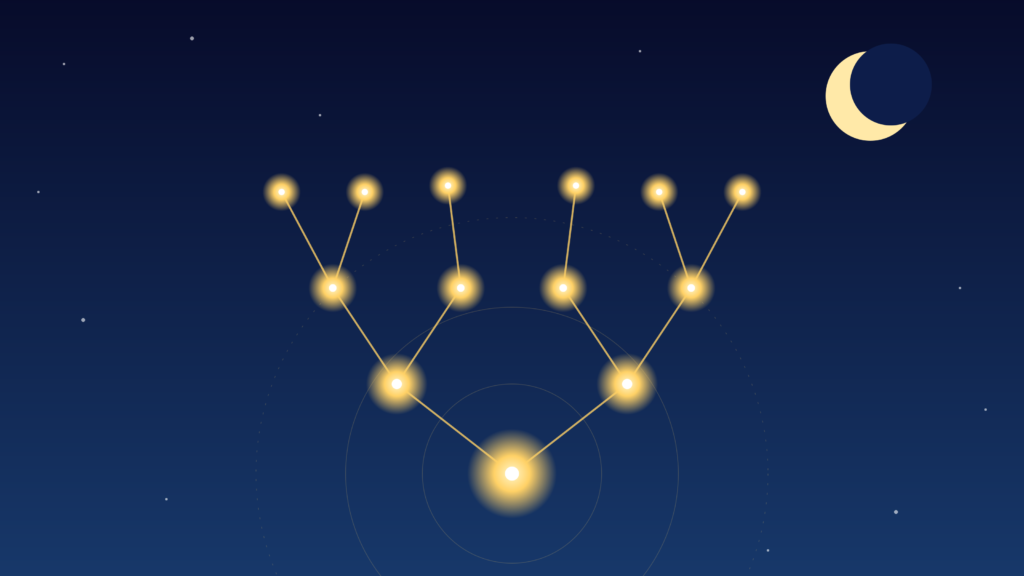
Where research exists. In grief psychology, the “continuing bonds” framework, developed by Dennis Klass, Phyllis Silverman, and Steven Nickman in the 1990s, challenged the older idea that healthy mourning requires severing ties with the dead. Their work and later studies suggest that maintaining an ongoing sense of connection can be a normal and often comforting part of bereavement. Ritual, in turn, gives that connection a shape.
A separate line of research, by psychologists Marshall Duke and Robyn Fivush at Emory University, found that children who knew more about their family history tended to show stronger self-esteem and a greater sense of control over their lives. This does not prove that ancestor veneration causes better outcomes, but it supports the long-held view that knowing where you come from can steady a person.
Where claims are traditional or experiential. Whether ancestors can hear prayers, offer guidance, or protect descendants is not something scientific methods can test. These are matters of faith, tradition, and personal experience, and billions of people across history have held them sincerely. Many practitioners report a felt sense of presence, comfort, or direction when honoring their dead. Those accounts deserve to be recorded as exactly that, accounts, without being either dismissed or presented as proven fact.
How to Practice Ancestor Veneration Today
You do not need to belong to a particular religion to honor your ancestors thoughtfully. If you have a living tradition in your family, learning it from elders is the best starting point. If you do not, these approaches are widely used.
Build an ancestor altar. An ancestral altar can be as simple as a shelf, a table, or a windowsill. Place photographs or names of the deceased, a candle or incense if you wish, a small cup of water, and an item that carried meaning for them. Some people add flowers or a favorite food. An altar for ancestors works best when it is personal and tended regularly rather than elaborate.
Offer something small. Food, tea, water, or a few minutes of silence all count. In many traditions, the sincerity of the offering matters more than its size.
Speak their names. Share stories about them at a meal. Ask older relatives what they remember, and write it down while you can.
Visit and tend graves. Cleaning a grave, leaving flowers, or simply sitting nearby is a custom shared across Chinese, Japanese, Korean, and many other traditions.
Research your lineage. Genealogy, family recipes, and preserved heirlooms are quiet forms of ancestral honoring that fit Western contexts well.
Respect the source. If you borrow from a tradition that is not your own, learn what the practice means to its people. Treating ancestral customs as decoration, rather than as living heritage, is the surest way to get them wrong.

Common Misconceptions About Ancestor Veneration
“It is only for certain cultures.” Ancestor-related practices appear across Asia, Africa, the Americas, Oceania, and historically Europe. The Western emphasis on family history and heirlooms is a variation, not an absence.
“It is always the same as worship.” As discussed above, many practitioners describe respect and remembrance rather than adoration, though the line shifts between traditions.
“It is purely religious.” Ancestor veneration can include spiritual belief, but it is also social and cultural. It binds families, preserves language and customs, and teaches children their place in a lineage.
“It means honoring everyone equally.” Some traditions are selective, as noted earlier.
“It is about fear of the dead.” In many traditions the dominant emotions are gratitude, affection, and belonging, even when the rites are solemn.
A Living Thread
Ancestor veneration endures because it answers something basic: the wish to be part of a story larger than one lifetime. Whether it is expressed through a lantern on a river, a plate of favorite foods, or a family recipe passed down, the practice reminds us that we are inheritors as well as individuals. How you honor your ancestors matters less than doing it with sincerity and respect.
For daily insights on consciousness, clarity, and trusting yourself, explore Bahlon’s free daily transmissions.
Related Readings:
- Generational Trauma: Signs You’re Carrying It (and How to Heal)
- Inner Peace Meaning: What It Actually Is and How to Find It
Frequently Asked Questions
What is the significance of ancestor veneration in different cultures?
It creates a sense of continuity, identity, and community. Depending on the tradition, it may also express beliefs about ancestors’ ongoing influence, offer moral or spiritual guidance, and strengthen family bonds through shared ritual.
How is ancestor veneration practiced in different cultures?
Common practices include offerings, prayers, festivals, grave visits, family gatherings, storytelling, and home altars. Examples include Qingming in China, Obon in Japan, Día de los Muertos in Mexico, and libations and storytelling in various African traditions.
What is the difference between ancestor veneration and ancestor worship?
Ancestor veneration emphasizes respect, remembrance, and relationship, while ancestor worship can imply religious adoration. The distinction varies by culture, and practitioners’ own descriptions are the most reliable guide.
Why do some cultures emphasize ancestors more than others?
Differences in religious belief, cultural values, ideas about ancestral spirits, historical circumstances, and social structure all play a part. Some societies center family lineage in religious life, while others place emphasis elsewhere.
What purpose can ancestor veneration serve in modern life?
It can strengthen family ties, preserve heritage, support identity and belonging, and offer psychological comfort through a continuing sense of connection. In traditions that hold ancestors to be spiritually active, it can also provide guidance.