A breathwork guide, at its core, is a roadmap for using conscious, controlled breathing patterns to shift your nervous system, ease stress, and support both mental and physical well-being. Unlike the breathing you do without thinking about it all day, breathwork is deliberate. You choose the rhythm, the pace, and the depth of each breath, and in doing so, you send direct signals to the parts of your body that regulate calm, alertness, and everything in between.
This practice has quietly moved from yoga studios and therapy rooms into mainstream wellness conversations, and for good reason. It costs nothing, requires no equipment, and can be done almost anywhere. Still, with so many techniques, traditions, and claims floating around, it helps to have a clear, honest breakdown of what breathwork actually is, what it can do, and how to start without getting overwhelmed.
What Is a Breathwork Guide?

At the simplest level, breathwork refers to any technique that uses intentional breathing patterns, whether that means slowing the breath down, speeding it up, holding it, or changing the ratio between inhales and exhales, to produce a specific physical or emotional effect. It is less about breathing “correctly” in some universal sense and more about using breath as a tool you can adjust depending on what you need in the moment.
The roots of breathwork stretch back thousands of years. Many of the techniques practiced today trace back to yogic pranayama in India, where breath control was treated as a bridge between the body and a more focused, meditative mind. Similar ideas appear in Chinese Qi Gong traditions, where breath is tied to the cultivation of internal energy, and in various contemplative practices across Buddhist and other Eastern traditions.
In the twentieth century, breathwork took on new forms in the West. Psychiatrist Stanislav Grof developed holotropic breathing as a method for exploring consciousness and emotional healing. Later, techniques like the Wim Hof Method combined rapid breathing cycles with cold exposure and mental discipline, popularizing breathwork among athletes and biohackers. Around the same time, clinicians such as Konstantin Buteyko were studying breathing patterns for their effects on conditions like asthma, adding a medical thread to the practice’s history.
Today, a breathwork guide has to hold space for all of these lineages at once. Some people come to breathing exercises purely for stress relief. Others are drawn to the spiritual or introspective dimensions. Both approaches are valid, and neither cancels out the other.
How Breathwork Works
To understand how breathwork does what it does, it helps to look at the autonomic nervous system, the part of your body that runs quietly in the background, managing things like heart rate, digestion, and blood pressure without you having to think about any of it. This system has two main branches that work in opposition to each other.
The sympathetic branch is often called the “fight or flight” system. It ramps up your heart rate, sharpens your focus, and prepares your body to respond to a threat or a demand. The parasympathetic branch does the opposite. Known as “rest and digest,” it slows the heart, relaxes muscles, and supports recovery.
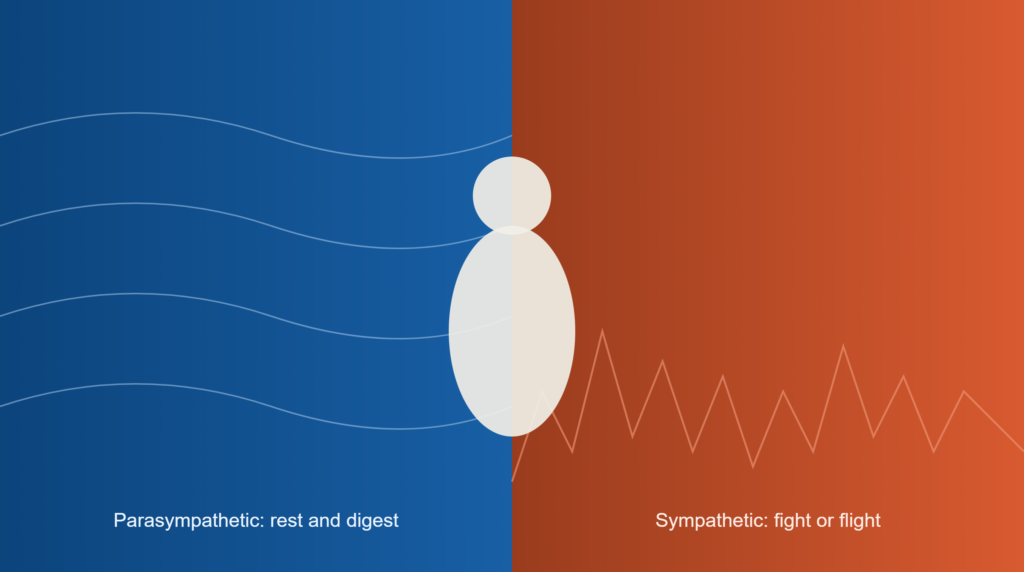
Breathing is one of the few automatic bodily functions you can consciously override, and that’s exactly why it’s such a useful lever. Slow, extended exhales tend to activate the parasympathetic system through the vagus nerve, which acts like a brake pedal on your stress response. Quick, deep, or forceful breathing, on the other hand, tends to stimulate the sympathetic system, which is why energizing techniques can leave you feeling more alert.
There’s also a chemical side to this. Every breath you take brings in oxygen and releases carbon dioxide, and the balance between the two affects your blood’s acidity. When you breathe very quickly for an extended period, you exhale more carbon dioxide than usual, which shifts your blood chemistry and can make oxygen less available to your tissues, even though you’re taking in plenty of air. This is part of why rapid breathing techniques can produce sensations like tingling, light headedness, or a rush of energy, while slower breathing tends to have a calming, grounding effect.
Breathwork also touches the endocrine system. Faster breathing patterns are associated with a rise in stress hormones like cortisol, while slower, more controlled breathing tends to reduce their release. None of this requires any special skill. It’s simply how the body is wired, and breathwork gives you a way to work with that wiring rather than against it.
Benefits of Breathwork
It’s worth separating what research supports from what practitioners describe anecdotally, because both matter, but they aren’t the same thing.

On the research side, there is a growing body of evidence linking slow, controlled breathing practices to reduced stress and anxiety symptoms, improved mood regulation, and better markers of cardiovascular health, such as modest reductions in blood pressure. Several studies have also found associations between structured breathing exercises and improved sleep quality, likely tied to their effect on the nervous system in the evening.
Beyond the measurable data, many practitioners describe benefits that are harder to quantify but no less meaningful to them. People often report feeling more emotionally settled after a session, a greater sense of mental clarity, and an easier time managing frustration or overwhelm throughout the day. Some describe breathwork sessions, particularly the more intense, faster-paced styles, as bringing up emotional releases such as tears, laughter, or a sense of relief they didn’t expect.
It is worth being honest here: not every claim made about breathwork has strong scientific backing yet. Ideas about breathwork resolving deep trauma in a single session or serving as a complete substitute for other forms of care, remain largely experiential rather than clinically proven. That doesn’t make those experiences less real for the people who have them, but a responsible breathwork guide should never present anecdote as settled science.
How to Get Started with Breathwork
You don’t need a retreat, an app, or special equipment to begin. A quiet corner and a few spare minutes are enough.
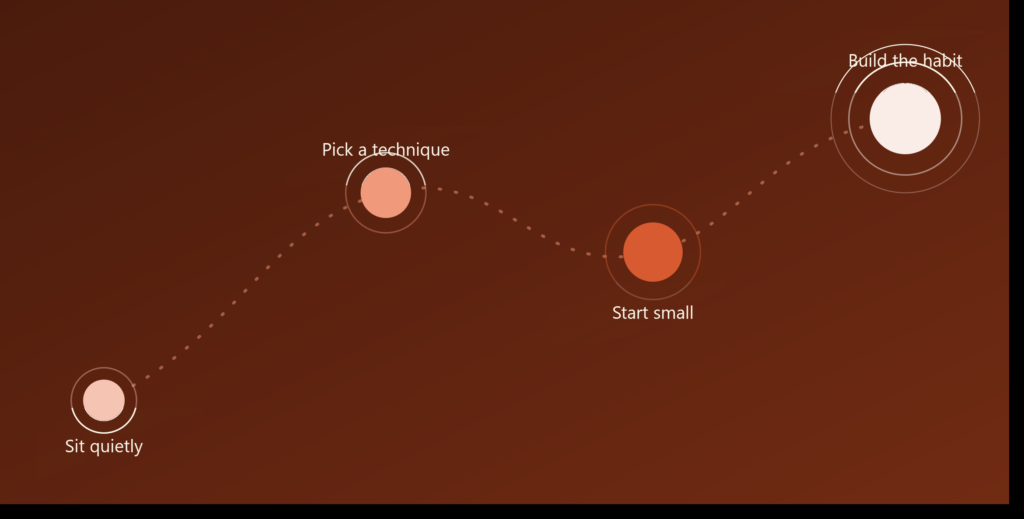
Step 1: Choose your setting.
Sit or lie down somewhere comfortable, ideally somewhere you won’t be interrupted. Many people find it helpful to rest a hand on their belly so they can feel the breath moving.
Step 2: Pick a simple technique.
Beginners tend to do best starting with something structured and easy to count. Two reliable options:
Box breathing: Inhale through your nose for four seconds, hold for four seconds, exhale through your mouth for four seconds, then hold with empty lungs for four seconds. Repeat for three to five minutes. This one is popular with athletes and high performers because it steadies both the mind and the body without overstimulating either.
The 4-7-8 method: Empty your lungs, inhale quietly through your nose for four seconds, hold for seven seconds, then exhale slowly through your mouth for eight seconds, making a soft whooshing sound. Repeat the cycle four times. This pattern is often used in the evening, since the extended exhale tends to promote relaxation and can support winding down before sleep.
Step 3: Start small.
Three to five minutes a day is plenty when you’re new to this. Consistency matters far more than duration.
Step 4: Notice what comes up.
You might feel more relaxed, a little sleepy, or unexpectedly emotional. All of these are common and generally pass shortly after the session ends.
Step 5: Build from there.
Once a short daily practice feels natural, you can explore other approaches, including guided sessions led by a facilitator, which can be especially helpful if you want more structure or are curious about deeper techniques.
Common Misconceptions About Breathwork
“Breathwork is inherently spiritual or religious.” While many of its historical roots are tied to spiritual traditions, and some people do choose to incorporate breathwork into a spiritual practice, most contemporary approaches are secular and aimed squarely at physical and psychological benefits. You don’t need any belief system to practice it.
“One session will change your life.” Breathwork can be genuinely powerful, and some people do have striking experiences early on, but lasting change tends to come from consistent practice over time, not a single dramatic breakthrough.
“It’s just pseudoscience.” There is legitimate, peer-reviewed research supporting breathwork’s effects on stress, mood, and certain physiological markers. At the same time, some specific techniques and claims haven’t been studied as rigorously, so it’s fair to stay curious rather than assuming every benefit is equally well established.
“Faster and more intense is always better.” More vigorous techniques, like rapid or forceful breathing styles, aren’t automatically superior to slower, gentler ones. They serve different purposes, and pushing too hard, too fast can lead to dizziness or discomfort rather than deeper benefit.
“You have to do it every day forever to get anything out of it.” Even occasional practice, used when you specifically need to calm down or refocus, can be valuable. A daily habit is helpful but not mandatory.
Breathwork Guide for Beginners: Tips and Best Practices
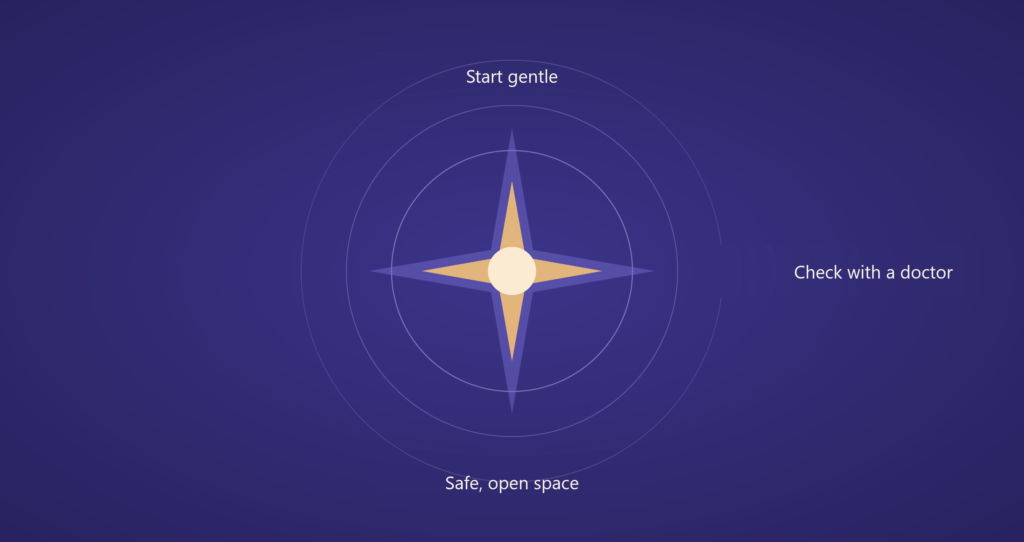
Start with the gentlest techniques first, and resist the urge to jump straight into intense, rapid breathing styles before you understand how your body responds to breathwork in general. Practice in a safe space, away from stairs, sharp corners, or bodies of water, since techniques involving fast or deep breathing can occasionally cause light headedness.
Pay attention to your body’s signals. Mild light headedness, tingling, or a wave of emotion is common and usually passes quickly, but if something feels genuinely wrong, stop and return to normal breathing. If you’re pregnant, have a heart or respiratory condition such as asthma or COPD, or live with a panic disorder, PTSD, or severe anxiety, talk to a doctor before starting, particularly before trying more intense styles.
Avoid practicing while under the influence of alcohol or drugs, since this can impair your judgment and your ability to gauge how your body is responding. Children can benefit from very gentle, age-appropriate breathing exercises, but more advanced techniques should wait until they’re guided by someone qualified to work with young people.
Finally, think of breathwork as one tool in a broader wellness toolkit rather than a cure-all. It pairs well with other practices like movement, rest, and connection with others, and it works best when it complements those things rather than replacing them entirely.
If exploring this breathwork guide has opened questions about your own path, you may find value in Bahlon’s free daily transmissions, brief insights for people seeking clarity. Subscribe here to receive them.
Related Readings:
Frequently Asked Questions About Breathwork
Is it safe to practice breathwork every day?
For most healthy adults, yes. A short daily practice of a few minutes is generally considered safe and can help build consistency. Anyone with underlying health conditions should check with a doctor first.
Can I practice breathwork alone, or do I need a guide?
Both self-practice and guided sessions are valid. Self-practice offers flexibility and privacy, while guided sessions can provide structure and support, especially for beginners or for more advanced techniques.
Why do some people cry or feel intense emotions during a session?
Emotion is often stored as physical tension. As the body relaxes through breathwork, that tension can surface and release, which some people experience as crying, laughter, or a sudden wave of feeling. This doesn’t happen for everyone, and its absence doesn’t mean the practice isn’t working.
Is breathwork backed by science, or is it just a trend?
Both, in a sense. There is real research supporting benefits like reduced stress and improved mood regulation, but not every specific technique or claim has been studied equally. It’s reasonable to take genuine benefits seriously while staying skeptical of exaggerated promises.
What’s the difference between slow breathing techniques and fast, intense ones?
Slow, extended breathing tends to calm the nervous system and is well suited for relaxation or sleep. Fast, more forceful breathing tends to energize and stimulate the body, which is why it’s often used for focus or an energy boost, though it also carries a higher chance of side effects like dizziness if overdone.