Author: Team Naveed
-

Signs of a High Vibration Person (and How to Become One)
The signs of a high vibration person include a calm presence, deep empathy, emotional resilience, strong intuition, and a steady sense of gratitude. In yoga, Ayurveda, and wider spiritual traditions, “vibration” describes the quality of a person’s energy, thoughts, and emotions, and people said to carry a high one tend to leave others feeling more…
-

Black Cat Crossing Your Path: Superstition vs. Spiritual Meaning
A black cat crossing your path is read as bad luck in the United States and parts of Europe, as good fortune in Britain, Ireland, and Japan, and as an invitation toward intuition and awareness in many modern spiritual traditions. No scientific evidence shows that the encounter changes your luck, so what it means depends…
-
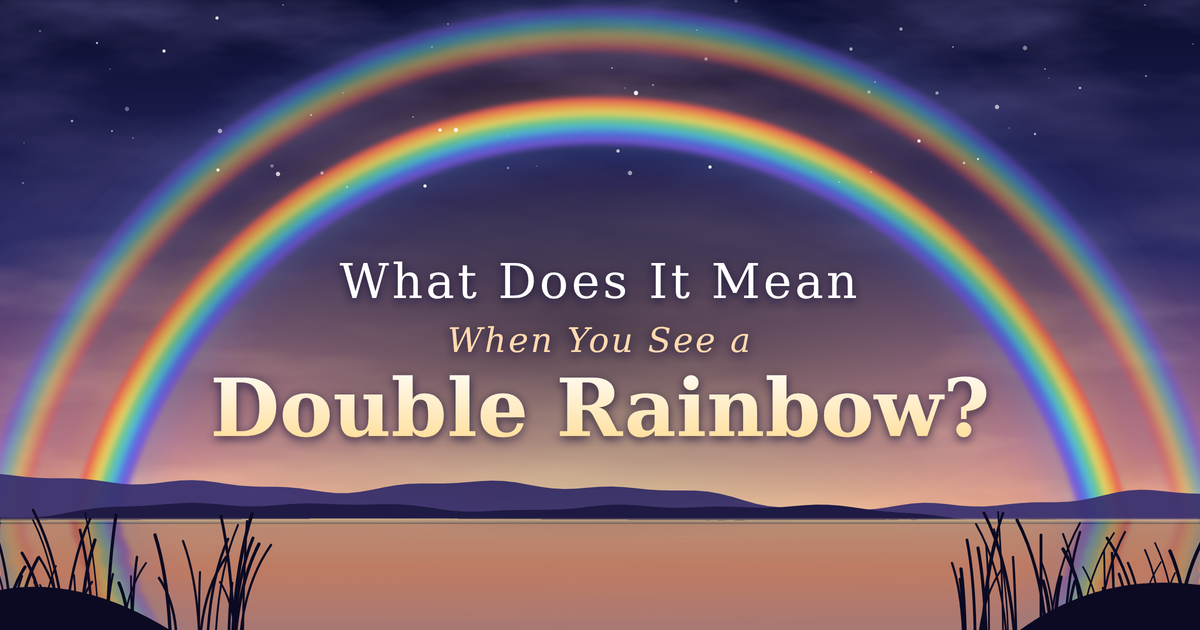
What Does It Mean When You See a Double Rainbow?
What does it mean when you see a double rainbow? Scientifically, it means sunlight reflected twice inside raindrops, producing a bright primary arc and a fainter secondary arc above it. Spiritually and culturally, a double rainbow is most often read as a sign of hope, good fortune, renewal, or reassurance, though the meaning people take…
-
Spiritual Meaning of Seeing a Rainbow: What It Signifies and Why It Moves Us
The spiritual meaning of seeing a rainbow most often centers on hope, renewal, and the feeling of being accompanied by something larger than yourself. Across cultures and faiths, a rainbow is read as a sign that a hard season is easing, that a promise is being kept, or that the boundary between the visible and…
-
What Does It Mean When a Butterfly Lands on You?
What does it mean when a butterfly lands on you? Across spiritual traditions, it is most often read as a sign of transformation, comfort, or good fortune, and sometimes as a visit from a departed loved one. Biology offers its own answer: the insect may be after salt, warmth, or a place to rest. Both…
-
Physical Symptoms of Spiritual Awakening: What’s Normal and What Needs Attention
The physical symptoms of spiritual awakening most often reported include deep fatigue, disrupted sleep, vivid dreams, head pressure or tingling, body aches, digestive changes, and heightened sensitivity to light and sound. Spiritual traditions read these sensations as signs of inner change, while medicine treats them as symptoms with ordinary causes that deserve attention. Both perspectives…
-
Finding a White Feather: What It Really Means
People often interpret finding a white feather as a sign of comfort, protection, or a message from a loved one who has died, but it also has a simple natural explanation: birds shed feathers constantly. Which meaning rings true usually depends on your beliefs, the moment you found it, and what you were carrying emotionally…
-

Hearing Someone Call Your Name When No One Did: What It Means
Hearing someone call your name when nobody is there is common, and it usually comes from how the brain processes sound, memory, and the edge of sleep. Many traditions also read it as something more, from a message from a loved one to a sign of heightened intuition. Both views are worth understanding, and neither…
-
Why Do I Get Goosebumps for No Reason? 7 Possible Causes and Spiritual Meanings
Why do I get goosebumps for no reason? In most cases, the body is responding to an emotion, a flicker of stress, or a small shift in the nervous system that you did not consciously register. Some traditions read these moments as spiritual signals, while medicine points to a short list of physical explanations worth…
-
Itchy Palm Superstition: Folklore and Old Wives’ Tales Explained
The itchy palm superstition is the old folk belief that an itching hand predicts money, either arriving or leaving. Which hand itches usually decides the meaning, and that meaning changes from culture to culture. In much of Western folklore, an itchy right palm promises income and an itchy left palm warns of spending, while several…